Harvey Pekar
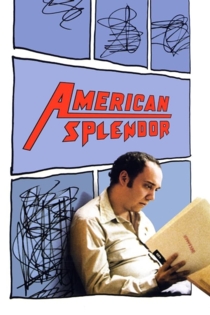
1939 - 2010Harvey Lawrence Pekar ( October 8, 1939 – July 12, 2010) was an American underground comic book writer, music critic and media personality, best known for his autobiographical American Splendor comic series. In 2003, the series inspired a critically acclaimed film adaptation of the same name.
Pekar described American Splendor as "an autobiography written as it's happening. The theme is about staying alive. Getting a job, finding a mate, having a place to live, finding a creative outlet. Life is a war of attrition. You have to stay active on all fronts. It's one thing after another. I've tried to control a chaotic universe. And it's a losing battle. But I can't let go. I've tried, but I can't."
Description above from the Wikipedia article Harvey Pekar, licensed under CC-BY-SA, full list of contributors on Wikipedia.
I, Curmudgeon
Alan Zweig
Alan Zweig, Harvey Pekar
Curmudgeon. Contrarian. Misanthrope. Naysayer. For all the people interviewed in this film, someone has used one of the above words to describe them. What have they done to deserve such labels? Everywhere these men and women go, something is being celebrated; they don’t get what all the celebration is about and they’re compelled to question it.
I, Curmudgeon


Comic Book Confidential
Ron Mann
Frank Miller, Jack Kirby
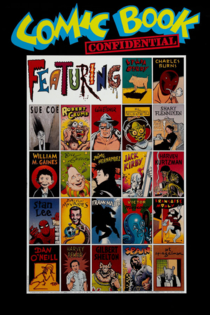
In the 20th century, no artistic medium in North America with so much potential for creative expression has had a more turbulent history plagued with less respect than comic books. Through animated montages, readings and interviews, this film guides us through the history of the medium from the late 1930s and 1940s with the first explosion of popularity with the superheroes created by great talents like Jack Kirby and hitting its first artistic zenith with Will Eisner's "Spirit". It then shifts to the post war comics world with the rising popularity of crime and horror comics, especially those published by EC Comics under the editorshiop of William B. Gaines until it came crashing down the rise of censorship with the imposition of the Comics Code. In its wake of the devastation of the medium's creative freedom, we also explore EC's defiant survival with the creation of the singular "Mad Magazine" by Harvey Kurtzman.
Comic Book Confidential