Björn Höcke
1972 (53 года)Rechts und Radikal - Warum gerade im Osten?
Julian Feldmann, Birgit Wärnke
Birgit Wärnke, Harry Waibel
Today the periode is called "Basballschlägerjahre". The early 1990s in Eastern Germany were marked by right-wing extremist violence. After the fall of the Berlin Wall, leading neo-Nazis from West Germany met with great interest with their ideas for a brown revolution in Eastern Germany. The reasons for this lay in the concealment of a neo-Nazi scene that had already grown stronger in the 1980s and was officially not allowed to exist in the anti-fascist GDR. The failure to deal with the National Socialist past and the Holocaust in schools and in society over the past 40 years were further reasons. There was hardly any understanding of democracy. The effects: nowhere else in Germany have right-wing extremist parties like the NPD and AfD achieved such great success in the new millennium. The documentary tries to show connections between the GDR past, reunification and the current situation in Eastern Germany.
Rechts und Radikal - Warum gerade im Osten?
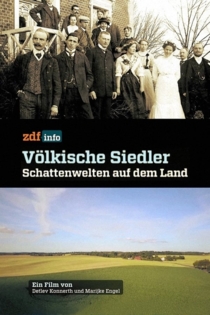
Völkische Siedler - Schattenwelten auf dem Land
Detlev Konnerth, Marijke Engel
Lutz Bachmann, Heidi Benneckenstein
Structurally weak and sparsely populated regions of Germany, especially in the north, such as Mecklenburg Switzerland, attract a very special form of ideologically extreme right-wing colonists. Nationalist settlers. The documentary goes on exploration, analyzes their historical roots and describes their influence in today's burgeoning right-wing scene.
Völkische Siedler - Schattenwelten auf dem Land
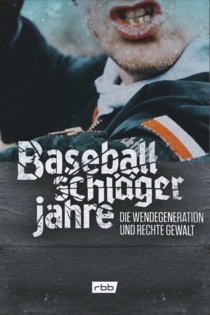
Baseballschlägerjahre - Die Wendegeneration und rechte Gewalt
Paul Buske, Johannes Radke
Nurcan Özdemir, Christian Bangel
After the end of the GDR, thrashings, threats and hunts were part of everyday life. In the years after the reunification of the early 1990s, hatred, racism and violence against foreigners and supporters of leftist ideology broken out in Eastern Germany. Most of those involved was young people. In many cities and towns, the streets and squares belonged to the right-wing scene, organized in neo-Nazi comradeships. Bomber jackets, combat boots and the Hitler salute showed the intimidated rest where they were. The baseball bat was a popular weapon. There were riots, attacks on asylum seekers' homes, mass brawls and hunt downs to those who look or think differently. It doesn't took long and the first deaths were to be mourned. The majority of the Eastern German population looked the other way or even applauded the deeds. A bad omen for the political development of later years. In six film segments, a team of authors take a look at the time reflected in interviews with contemporary witnesses.
Baseballschlägerjahre - Die Wendegeneration und rechte Gewalt
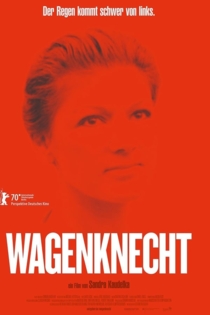
Wagenknecht
Sandra Kaudelka
Sahra Wagenknecht, Oskar Lafontaine
Left-wing politician Sahra Wagenknecht’s working day is marked by applause and admiration but also doubts and intrigues. This film follows her and her team: from the 2017 election campaign to her withdrawal from political leadership in 2019.
Wagenknecht