Jeon Chang-keun
1908 - 1973자유만세
Choi In-kyu
Jeon Chang-keun, Eun-gi Dog
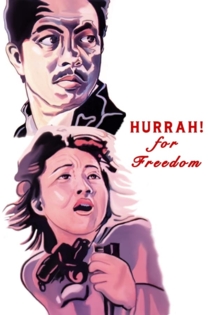
Hurrah! For Freedom (aka Viva Freedom) is a 1946 Korean film directed by Choi In-kyu. It was the first film made in the country after achieving independence from Japan. During the country's occupation Choi was only allowed to make Japan-friendly films, but the plot of Hurrah! For Freedom is distinctly different, telling the story of a Korean resistance fighter in 1945.
Hurrah! For Freedom
고종황제와 의사 안중근
Jeon Chang-keun
Kim Seung-ho, Jeon Chang-keun
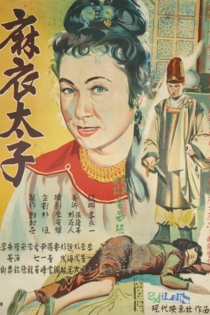
At the end of the Joseon Dynasty, shortly after the Eulsa Treaty has been forced to be concluded by Ito Hirobumi and the pro-Japanese courtiers, Japan pressures King Gojong to step down from the throne. Meanwhile, An Jung-geun, who is cultivating men of ability at Samheung school, is deeply impressed by a speech made by An Chang-ho, and heads for Russia to volunteer the army fighting for independence of the country. As both a lieutenant general of the Korean militia and a commander of the Korean expeditionary force in Manchuria, he carries on the independence movement in defiance of Japanese coercion.
King Gojong and Martyr An Jung-Geun

어느 女俳優의 告白
Kim Soo-yong
Kim Jin-kyu, Nam Jeong-im
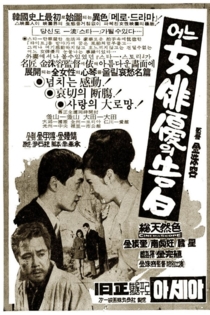
Confession of an Actress is about an actor who was once a famous star. He had a daughter with an actress who he loved when he was young. His daughter became a grownup and he sacrificed himself secretly to make his daughter a star.
Confession of an Actress
아아 백범 김구 선생
Jeon Chang-keun
Jeon Chang-keun, Jo Mi-lyeong
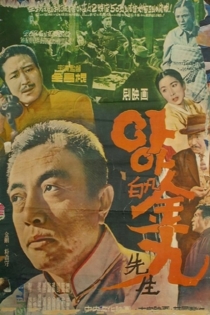
Kim Chang-su, who participated in the Donghak Movement, escapes to Manchuria after being chased by the Japanese army, finally making his way home. Angered by the assassination of Empress Myeong-seong, he murders a Japanese lieutenant and is sent to jail. He escapes from prison turns his focus on the democratic movement by teaching civilians and organizing Sinminheo (a democratic organization), even changing his name to 'Kim Gu.' After he is imprisoned again, he gets out on parole and goes to China, where he participates in establishing a provisional government from which he can direct the anti-Japanese struggle. Kim Gu goes on to play a part in Yun Bong-gil's deeds in Shanghai, the events at Hongkou Park, the encounter with Jiang Jish, and the establishment of the Korean National Army, and leads the struggle for Korea's independence with warm fraternal love and clear national spirit. When Korea is liberated in August 15, 1945, he returns back to his native land.
Ah! Baekbeom Kim Ku