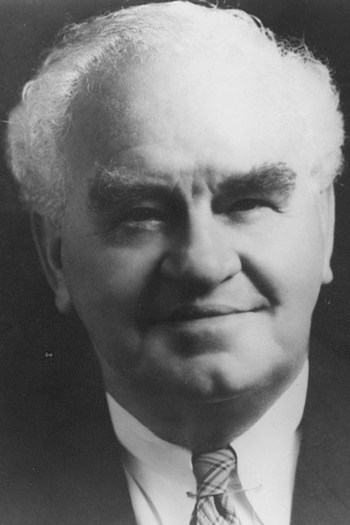
Lionel Belmore
1867 - 1953Lionel Belmore (12 May 1867, Wimbledon, Surrey, England - 30 January 1953, Woodland Hills, Los Angeles, California) was an English character actor and director on stage for more than a quarter of a century.
Onstage, Belmore appeared with Wilson Barrett, Sir Henry Irving, William Faversham, Lily Langtry, and other famous actors. He entered in films from 1911. In total, he had some 200 titles to his film credit. He was notable as the huffy-puffy Herr Vogel the Burgomaster in Frankenstein (1931). Belmore played bit parts in several 1930s film classics. Unusually, he was a director before he became a prolific actor. He directed from 1914 to 1920, only acting in a limited number of films, until concentrating as an actor from then on.
He was the brother of the actress Daisy Belmore (Mrs. Samuel Waxman) (1874-1954) and the actor Paul Belmore. He was married to stage actress Emmeline Florence Carder and they had two daughters. Their daughter Violet had decided to follow in her father's footsteps and go into acting.
Description above from the Wikipedia article Lionel Belmore, licensed under CC-BY-SA, full list of contributors on Wikipedia.
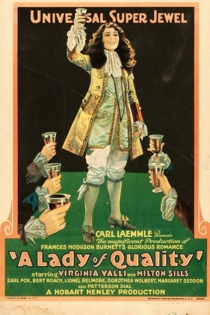
A Lady of Quality
Hobart Henley
Virginia Valli, Lionel Belmore
Clorinda Wildairs breaks off an affair with the unscrupulous Sir John Ozen to become engaged to a rich nobleman, Mertoun, the Duke of Osmonde. Clorinda accidentally kills Sir John when he, infuriated by her forthcoming marriage, threatens to blackmail her. She buries the body in the cellar and admits her act to the forgiving Osmonde before marrying him.
A Lady of Quality

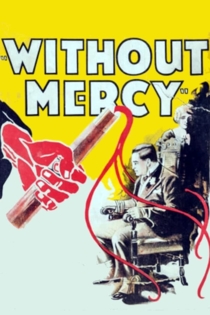
Without Mercy
George Melford
Dorothy Phillips, Rockliffe Fellowes
In this silent melodrama Sir Melmoth Craven is running against John Orme for a seat in Parliament. Orme is an honest man, but Craven is on the shady side. For campaign money, he borrows money from an equally shady establishment called Gordon, Ltd. Orme's sweetheart, Margaret Garth, becomes infatuated with Craven, much to the dismay of her mother, Enid.
Without Mercy
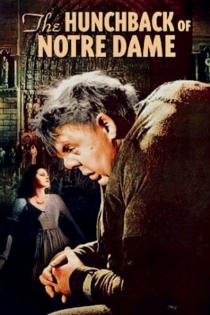
The Hunchback of Notre Dame
William Dieterle
Charles Laughton, Cedric Hardwicke
Paris, France, 1482. Frollo, Chief Justice of benevolent King Louis XI, gets infatuated by the beauty of Esmeralda, a young Romani girl. The hunchback Quasimodo, Frollo's protege and bell-ringer of Notre Dame, lives in peace among the bells in the heights of the immense cathedral until he is involved by the twisted magistrate in his malicious plans to free himself from Esmeralda's alleged spell, which he believes to be the devil's work.
The Hunchback of Notre Dame
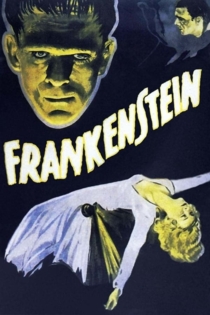
Frankenstein
James Whale
Colin Clive, Mae Clarke
Dr. Henry Frankenstein attempts to create life by assembling a creature from body parts of the deceased. Aided by his loyal misshapen assistant, Fritz, Frankenstein succeeds in animating his monster, but, confused and traumatized, it escapes into the countryside and begins to wreak havoc. Frankenstein searches for the elusive being and eventually must confront his tormented creation.
Frankenstein

The King of Kings
Cecil B. DeMille
H.B. Warner, Dorothy Cumming
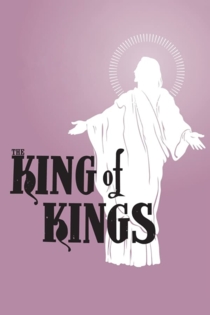
The King of Kings is the Greatest Story Ever Told as only Cecil B. DeMille could tell it. In 1927, working with one of the biggest budgets in Hollywood history, DeMille spun the life and Passion of Christ into a silent-era blockbuster. Featuring text drawn directly from the Bible, a cast of thousands, and the great showman’s singular cinematic bag of tricks, The King of Kings is at once spectacular and deeply reverent—part Gospel, part Technicolor epic.
The King of Kings
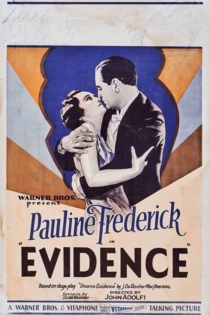
Evidence
John G. Adolfi
Pauline Frederick, William Courtenay
Lord Cyril Wimborne, a barrister, divorces his wife, Myra, and takes custody of their child, Kenyon, when he finds her name linked with the profligate Major Pollock. Myra goes into seclusion while Pollock, intending to conceal Myra's innocence, goes to Burma. A few years later Myra sees Kenyon in the park with Mrs. Debenham, a widow with designs on Wimborne. Noting the resemblance between the lady in the park (whom he calls his "princess") and a photograph of his mother, Kenyon invites Myra to dinner at a time when his father, who has curtailed the visits to the park, plans to be away. At the same time Harold Courtenay, an old family friend, sees an opportunity to reunite the estranged couple.
Evidence
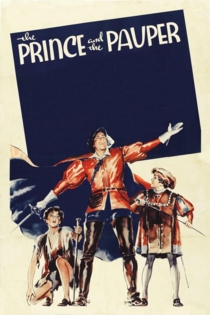
The Prince and the Pauper
William Keighley
Errol Flynn, Claude Rains
Two boys – the prince Edward and the pauper Tom – are born on the same day. Years later, when young teenage Tom sneaks into the palace garden, he meets the prince. They change clothes with one another before the guards discover them and throw out the prince thinking he's the urchin. No one believes them when they try to tell the truth about which is which. Soon after, the old king dies and the prince will inherit the throne.
The Prince and the Pauper