Suzanne Flon
1918 - 2005Description above from the Wikipedia article Suzanne Flon, licensed under CC-BY-SA,full list of contributors on Wikipedia.
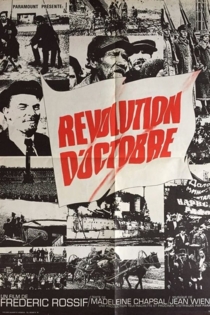
Révolution d'octobre
Frédéric Rossif
John Gielgud, Suzanne Flon
French director Frederic Rossif presents this historical documentary that coincided with the 50th anniversary of the Russian Revolution. Stock footage from both World Wars are included with 30 minutes of new scenes filmed especially for the project. The historical timeline is traced from the time Czar Nicholas II is crowned. The emergence of Lenin, his death in 1924, and the later contributions of Trotsky and Stalin give the viewer a sense of death, betrayal, and ideological devotion to the communist agenda. Rossif effectively uses scenes from the landmark 1929 film The Man With A Movie Camera by celebrated director Dziga Vertov. Rossif researched the film archives from several countries in his meticulous gathering of materials for this timely historical feature.
October Revolution
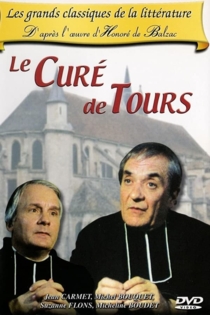
Le curé de Tours
Gabriel Axel
Jean Carmet, Michel Bouquet
Father Birotteau and Father Troubert, both of whom are priests at Tours, have separate lodgings in the house belonging to the crabby spinster Sophie Gamard in that city. Birotteau is an other-worldly, gentle, introspective type; Troubert, who is ten years younger than his fellow boarder, is very much of the world: he is a careerist devoured by ambition.
Le Curé de Tours
Mourir à Madrid
Frédéric Rossif
John Gielgud, Irene Worth
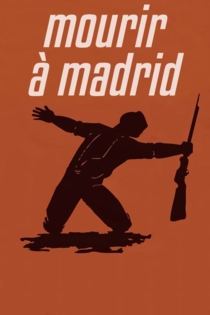
Morir en Madrid brings together several papers on the Spanish Civil War and integrates capturing different points of view, intended to represent the continuity of the suffering of the Spanish during the Franco regime. The death of Federico Garcia Lorca, Guernica, the defense of Madrid, the International Brigades, are some of the items comprised in this document.
To Die in Madrid
The Train
John Frankenheimer
Burt Lancaster, Paul Scofield
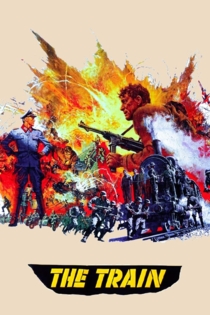
As the Allied forces approach Paris in August 1944, German Colonel Von Waldheim is desperate to take all of France's greatest paintings to Germany. He manages to secure a train to transport the valuable art works even as the chaos of retreat descends upon them. The French resistance however wants to stop them from stealing their national treasures but have received orders from London that they are not to be destroyed. The station master, Labiche, is tasked with scheduling the train and making it all happen smoothly but he is also part of a dwindling group of resistance fighters tasked with preventing the theft. He and others stage an elaborate ruse to keep the train from ever leaving French territory.
The Train
The Trial
Orson Welles
Anthony Perkins, Jeanne Moreau
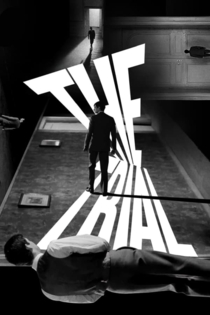
Josef K wakes up in the morning and finds the police in his room. They tell him that he is on trial but nobody tells him what he is accused of. In order to find out about the reason for this accusation and to protest his innocence, he tries to look behind the façade of the judicial system. But since this remains fruitless, there seems to be no chance for him to escape from this Kafkaesque nightmare.
The Trial
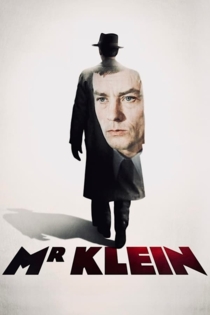
Mr. Klein
Joseph Losey
Alain Delon, Jeanne Moreau
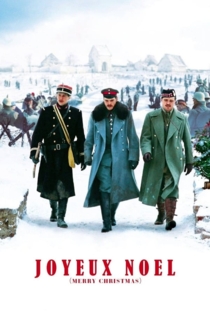
Paris, France, 1942, during the Nazi occupation. Robert Klein, a successful art dealer who benefits from the misfortunes of those who are ruthlessly persecuted, discovers by chance that there is another Robert Klein, apparently a Jewish man; someone with whom he could be mistakenly identified, something dangerous in such harsh times.
Mr. Klein
The Children of the Marshland
Jean Becker
Jacques Villeret, Jacques Gamblin
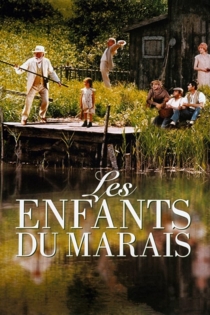
The film is set in Marais, a quiet region along the banks of Loire river in 1918. Riton is afflicted with a bad-tempered wife and three unruly children. Garris lives alone with his recollections of World War I trenches. Their daily life consists of seasonal work and visits from their two pals: Tane, the local train conductor and Amédée, a dreamer and voracious reader of classics.
The Children of the Marshland
Monsieur Albert
Jacques Renard
Philippe Noiret, Dominique Labourier
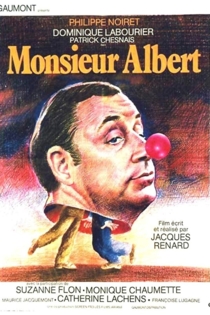
In this poetic slice-of-life film that reveals the problems and needs of a group of lowlife characters, unwed mother Vivaine (Dominique Labourier) falls in love with working-class youth Francois (Patrick Chesnais) who has a shady past. Albert (Philippe Noiret), a no-good insurance con-artist, poses for many years as Francois' friend, but tragedy ensues when Albert comes between the lovers, and Francois and Albert resort to physical violence to settle their differences.
Monsieur Albert
Thou Shalt Not Kill
Claude Autant-Lara
Laurent Terzieff, Horst Frank
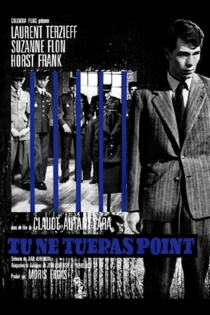
At the end of World War II, a French pacifist is arrested for refusing to fight. In prison, he befriends a German priest arrested for murder of a French Resistance fighter. They discuss morality, obedience, and religion.
Thou Shalt Not Kill
One Deadly Summer
Jean Becker
Isabelle Adjani, Alain Souchon
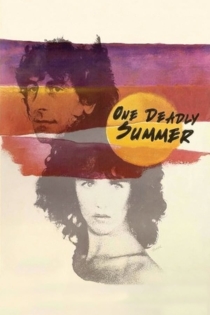
In spring 1976, a 19-year-old beauty, her German-born mother, and her crippled father move to the town of a firefighter nicknamed Pin-Pon. Everyone notices the provocative Eliane. She singles out Pin-Pon and soon is crying on his shoulder (she's myopic and hates her reputation as a dunce and as easy); she moves in with him, knits baby clothes, and plans their wedding. Is this love or some kind of plot? She asks Pin-Pon's mother and aunt about the piano in the barn: who delivered it on a November night in 1955? Why does she want to know, and what does it have to do with her mother's sorrows, her father's injury, this quick marriage, and the last name on her birth certificate?
One Deadly Summer
Mr. Arkadin
Orson Welles
Orson Welles, Michael Redgrave
Claiming that he doesn't know his own past, a rich man enlists an ex-con with an odd bit of detective work. Gregory Arkadin says he can't remember anything before the late 1920s, and convict Guy Van Stratten is happy to take the job of exploring his new acquaintance's life story. Guy's research turns up stunning details about his employer's past, and as his work seems linked to untimely deaths, the mystery surrounding Mr. Arkadin deepens.
Mr. Arkadin

Strange Gardens
Jean Becker
Jacques Villeret, André Dussollier
Lucien, 14, can’t understand why his father, a serious and respected teacher, makes a fool of himself by dressing up as a clown and giving a show. André, Lucien’s father’s best friend, feels for the teenager and decides to reveal something from their mutual past that will explain the reason for Lucien’s father’s strange behavior.
Strange Gardens

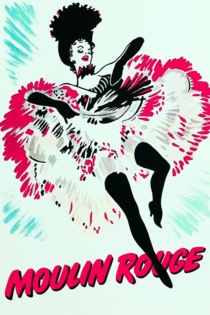
Moulin Rouge
John Huston
José Ferrer, Colette Marchand
Born into aristocracy, Toulouse-Lautrec moves to Paris to pursue his art as he hangs out at the Moulin Rouge where he feels like he fits in being a misfit among other misfits. Yet, because of the deformity of his legs from an accident, he believes he is never destined to experience the true love of a woman. But that lack of love in his life may change as he meets two women
Moulin Rouge