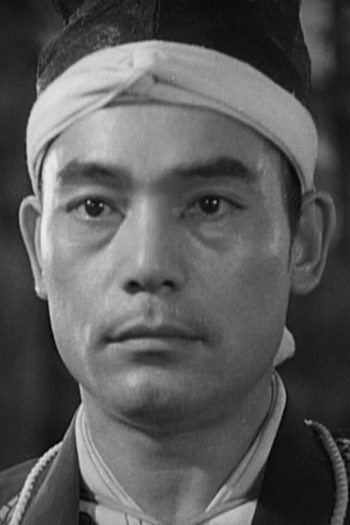
Susumu Fujita
1912 - 1991Susumu Fujita (藤田 進 Fujita Susumu, 8 January 1912 – 23 March 1991) was a Japanese film and television actor. He played the lead role in Akira Kurosawa's first feature, Sanshiro Sugata, and appeared other Kurosawa film including The Men Who Tread On the Tiger's Tail (as Togashi, commander of the border guards) and The Hidden Fortress (as General Tadokoro). Later, he was a supporting actor in Ishirō Honda's Mothra vs. Godzilla, among many other films.
Before and during World War II Fujita was considered one of the great stars of Japanese cinema. In the post-war period he became known for supporting roles, often playing a soldier in war films. During the sixties and seventies he played minor roles in tokusatsu or "special effects pictures" such as Ultraman and Frankenstein Conquers the World.
Description above from the Wikipedia article Susumu Fujita, licensed under CC-BY-SA, full list of contributors on Wikipedia.
愛と炎と
Eizo Sugawa
Tatsuya Mihashi, Yôko Tsukasa
An employee at an oil cartel (Mihashi) is haunted by an act years before when he euthanized a fellow soldier when the two were adrift at sea during the Pacific War. Matters are complicated further when he falls in love with the soldier's younger sister (Tsukasa).
Challenge to Live

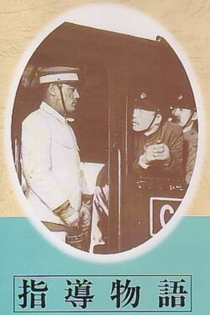
指導物語
Hisatora Kumagai
Sadao Maruyama, Susumu Fujita
In this semi-documentary, an older locomotive driver is tasked with training younger ones and is currently training two in particular. The old man is finding the task overwhelming as it is hard work with practical lessons and classroom components. His wife has died, but he has three daughters with the oldest taking care of her younger siblings.
Story of Leadership
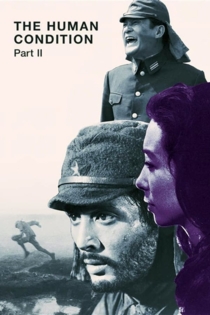
人間の條件 第3部望郷篇/第4部戦雲篇
Masaki Kobayashi
Tatsuya Nakadai, Michiyo Aratama
Kaji is sent to the Japanese army labeled Red and is mistreated by the vets. Along his assignment, Kaji witnesses cruelties in the army and revolts against the abusive treatment against the recruit Obara. He also sees his friend Shinjô Ittôhei defecting to the Russian border, and he ends in the front to fight a lost battle against the Russian tanks division.
The Human Condition II: Road to Eternity

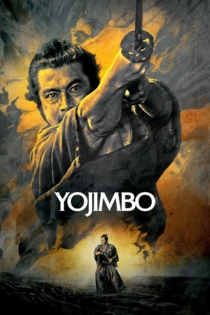
用心棒
Akira Kurosawa
Toshirō Mifune, Tatsuya Nakadai
A nameless ronin, or samurai with no master, enters a small village in feudal Japan where two rival businessmen are struggling for control of the local gambling trade. Taking the name Sanjuro Kuwabatake, the ronin convinces both silk merchant Tazaemon and sake merchant Tokuemon to hire him as a personal bodyguard, then artfully sets in motion a full-scale gang war between the two ambitious and unscrupulous men.
Yojimbo
隠し砦の三悪人
Akira Kurosawa
Toshirō Mifune, Minoru Chiaki
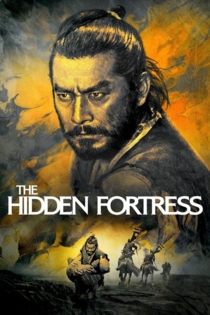
Japanese peasants Matashichi and Tahei try and fail to make a profit from a tribal war. They find a man and woman whom they believe are simple tribe members hiding in a fortress. Although the peasants don't know that Rokurota is a general and Yuki is a princess, the peasants agree to accompany the pair to safety in return for gold. Along the way, the general must prove his expertise in battle while also hiding his identity.
The Hidden Fortress
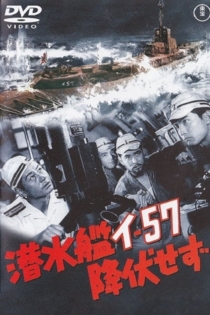
潜水艦イ-57降伏せず
Shûe Matsubayashi
Ryō Ikebe, Tatsuya Mihashi
In World War II, the commanding officer of a sub, against his will takes on board two Western diplomats, to take them to the Canaries and arrange an armistice. When they get there, peace has been declared, but the sub's crew don't know as their radio has failed. They send their passengers ashore and go out to face a final battle...
Submarine I-57 Will Not Surrender
The Bad Sleep Well
Akira Kurosawa
Toshirō Mifune, Masayuki Mori
In this loose adaptation of "Hamlet," illegitimate son Kôichi Nishi climbs to a high position within a Japanese corporation and marries the crippled daughter of company vice president Iwabuchi. At the reception, the wedding cake is a replica of their corporate headquarters, but an aspect of the design reminds the party of the hushed-up death of Nishi's father. It is then that Nishi unleashes his plan to avenge his father's death.
The Bad Sleep Well

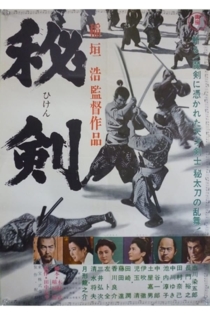
秘剣
Hiroshi Inagaki
Kōshirō Matsumoto, Hiroyuki Nagato
This Japanese action-adventure is set in the 17th century when all forms of swordplay were banned. One fighter, an excellent swordsman believes the law is unfair. His brother keeps his opinions about the law to himself. The swordsman vents his frustration by cutting off the thumbs of an enemy. The fighter is then banished. To live, he becomes a thief. To restore the family's lost honor, the other brother is forced to challenge the fighter to a duel.
Young Swordsman
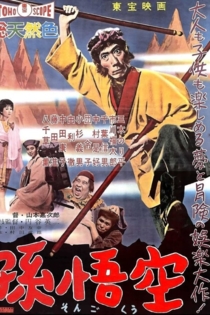
孫悟空
Kajirō Yamamoto
Norihei Miki, Reiko Dan
The mythical adventures of the legendary Chinese trickster Monkey, who must outwit a variety of wily demons who stand in the way of him and his fellow Buddhist travelers. Though portrayed as a literal, if rather anthropomorphized, monkey in the original legends, this film substitutes the spindly comic actor Norihei Miki, sans makeup.
The Adventures of Sun Wu Kung
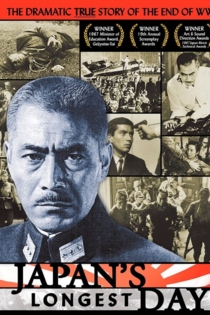
Japan's Longest Day
Kihachi Okamoto
Seiji Miyaguchi, Rokkō Toura
Following the detonation of the atomic bombs on Hiroshima and Nagasaki, the Japanese military and the government clash over the demand from the Allies for unconditional surrender. Minister of the Army Anami leads the military officers who propose to fight on, even to the death of every Japanese citizen. Emperor Hirohito, however, joins with his ministers in asking the unthinkable, the peaceful surrender of Japan. When the military plots a coup to overthrow the Emperor's civilian government, Anami must face the choice between his desires and loyalty to his Emperor.
Japan's Longest Day
Tora! Tora! Tora!
Richard Fleischer, Toshio Masuda
Martin Balsam, Sō Yamamura
In the summer of 1941, the United States and Japan seem on the brink of war after constant embargos and failed diplomacy come to no end. "Tora! Tora! Tora!", named after the code words use by the lead Japanese pilot to indicate they had surprised the Americans, covers the days leading up to the attack on Pearl Harbor, which plunged America into the Second World War.
Tora! Tora! Tora!