Columba Domínguez
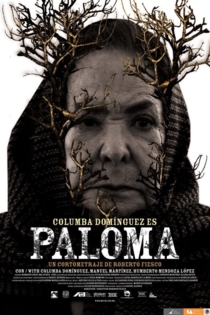
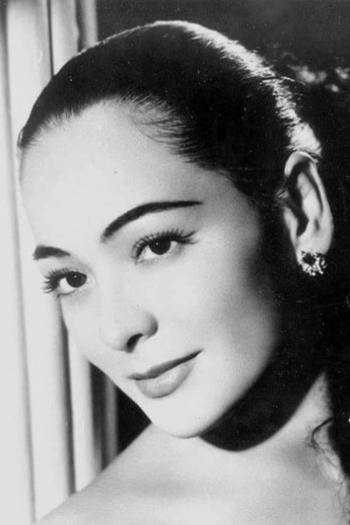
1929 - 2014Columba Domínguez Adalid born on March 4, 1929 in Guaymas, Sonora, Mexico, reaching very young with her family to the Mexico City. When she went to a party with one of her sisters, was discovered by the Mexican film director Emilio Fernández, who was amazed by her beauty with very marked Mexican features and gives you entry to a movie with little roles in films such as La perla (1945) and Río Escondido (1947). In 1948, Fernandez give her the antagonistic role in the film Maclovia (1948), with María Félix. Her performance is praised by critics and thanks to this film, Fernández entrusted with the leading role that would become her best film: Pueblerina (1948). Thanks to this movie Columba rises the stardom rapidly and becomes known worldwide to be presented at the Karlovy Vary International Film Festival. In that same year she participated in La Malquerida, with Dolores del Río and Pedro Armendáriz. Preceded by the success of Pueblerina, Columba was contracted in Italy to participate in the film L'Edera (1950).[1] The same year, she filming Un día de vida, which went unnoticed in Mexico, but became a huge success in the former Yugoslavia, released in 1952. Encased in native roles, Columba separates professionally Fernandez in 1952, which allowed them to become one first figure and work under the orders of other filmmakers, such as Luis Bunuel (with whom she worked in El río y la muerte (1955)), Fernando Méndez (director of the cult film Ladrón de cadáveres (1957), considered one of the best Mexican horror films) and Ismael Rodriguez (who took her to star in two masterpieces: Los Hermanos de Hierro (1961) and Ánimas Trujano (1962), with the Japanese actorToshiro Mifune), among others. In 1962 she participated in El tejedor de milagros, a film that represented Latin America in the IX Berlin Film Festival. Columba also made the first official nude in the Mexican Cinema in the film La virtud desnuda. (1956). In the television, Domínguez participed in some telenovelas like La tormenta (1967) and El carruaje (1972). Her last appearance in the television was in Aprendiendo a amar(1979). After her retirement in 1987, Columba was devoted to dance, humanistic art, painting (coming to exhibit in Europe) and piano. In 2008, after more than 20 years of retirement from cinema, the Mexican director Roberto Fiesco, returned her to the cinema with the short film Paloma. That same year, Dominguez was honored by the International Film Festival de la Frontera, in Ciudad Juarez, in which some of the most representative titles in which he participated were projected.[2] In 2010, Domínguez made a special appearances in the films La cebra and Borrar la memoria.[3] In 2012, she participates in the film El último trago. In May 2013, Columba Domínguez was honored with the Golden Ariel Award for her contributions to the Mexican film industry.
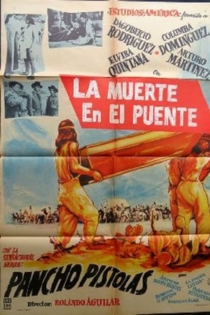
La muerte en el puente
Rolando Aguilar
Dagoberto Rodríguez, Columba Domínguez
Final four episodes of Pancho Pistolas serial, reedited into feature format. PP finally thwarts the Four Bad Brothers in their plan to take over the lands belonging to local indigenous tribe and in getting that territory restored to tribal governance.
La muerte en el puente
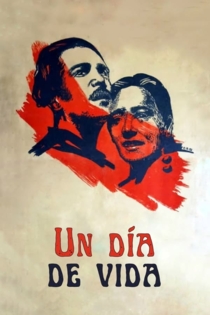
Un día de vida
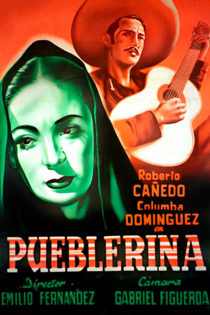
Emilio Fernández
Columba Domínguez, Roberto Cañedo
A story about two men caught in the Mexican revolution: close friends before, but now on the opposite sides. One of them is military officer, while the other one expects capital punishment. The prisoner's mother comes to visit his son, unaware that his former best friend is now his enemy.
One Day of Life
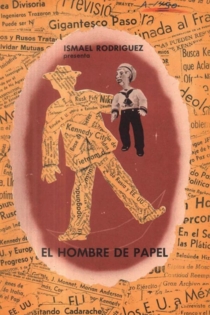
The Paper Man
Ismael Rodríguez
Ignacio López Tarso, Alida Valli
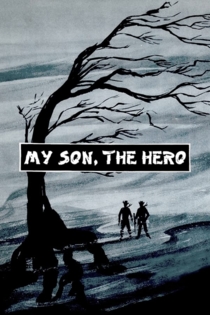
A deaf and mute vagabond finds a large denomination bill in a Mexico City dump, and while he tries to buy something with it, others try to con him into giving it away. The film was selected as the Mexican entry for the Best Foreign Language Film at the 36th Academy Awards, but was not accepted as a nominee.
The Paper Man
Río Escondido
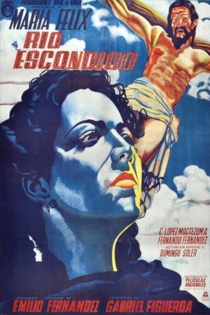
Emilio Fernández
María Félix, Carlos López Moctezuma
Called by the Mexican President himself, and in spite of a heart condition, young teacher Rosaura Salazar travels to the deserted town of Rio Escondido to accomplish the mission of bringing education to the poorest people. Being there, Salazar has to fight Regino Sandoval the evil landlord of the town. He has transformed the town into his own property, imposing his will and spreading death everywhere.
Río Escondido
Ánimas Trujano
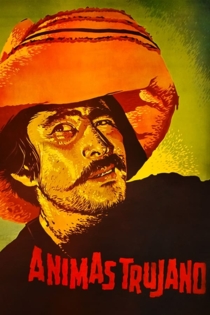
Ismael Rodríguez
Toshirō Mifune, Columba Domínguez
Animas Trujano is a colorful but irresponsible Indian in a small Mexican village. He hopes above all things someday to be chosen mayordomio of his village, a place of great honor usually conferred upon the wealthiest and most respected citizens. Animas has a loyal wife, but cheats on her and gambles away every cent they raise. Chances arise for Animas to turn over a new leaf and even hope realistically for the honor of mayordomio.
The Important Man
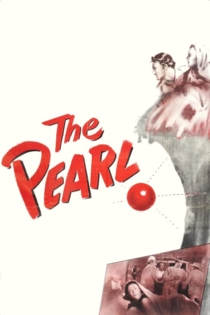
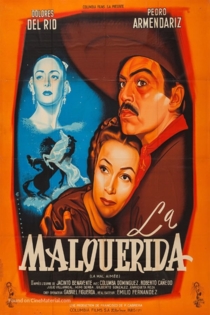
La malquerida
Emilio Fernández
Dolores del Río, Pedro Armendáriz
Emilio Fernandez directs Dolores Del Rio and Pedro Armendariz in a classic tale of family and obsession. Raimunda's daughter Acacia hates her stepfather Esteban, and in order to escape her suffocating home life she's accepted a marriage proposal from a man she doesn't even love. But Esteban has become obsessed with Acacia, and in order to ensure that she doesn't leave he's plotting to murder the girl's unsuspecting fiancée. As Esteban's true nature emerges, mother and daughter must band together to support one another and make sure that their family bond remains strong even in the darkest of times.
La malquerida