Gayne Whitman
1890 - 1958Gayne Whitman (born Alfred D. Vosburgh; March 19, 1890 – August 31, 1958) was an American radio and film actor. He appeared in 213 films between 1904 and 1957. In some early films he was credited under his birth name. He was born in Chicago, Illinois.
As Alfred Vosburgh, he was the leading man in the film Princess of the Dark (1917). Soon after that, he changed his screen name to Alfred Whitman because "1917 was not a good time to have a German sounding name."
Beginning in 1921, Whitman acted at the Morosco Theater in Los Angeles. He returned to films in 1925 when he received a contract with Warner Bros.
On radio, Whitman played the title role in Chandu the Magician, was the narrator on Lassie and Strange as It Seems, and was an announcer on Paducah Plantation and other programs.
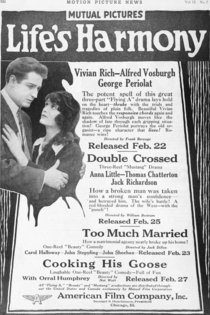
Life's Harmony
Frank Borzage
George Periolat, Vivian Rich
Josiah Pringle, a benevolent old musician, who ekes out his livelihood by giving music lessons, after playing the organ for twenty years in the church of a little New England hamlet, must make way for a younger man, Gordon Howard, who comes from Boston. Faith Pringle, adopted by Josiah and his aged sister, Letitia, is leader of the choir, and when Pringle is replaced, she refuses to sing, but relents at Pringle's gentle insistence.
Life's Harmony
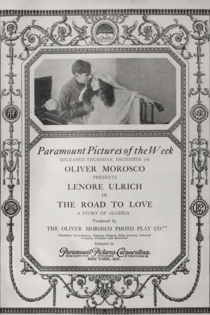
The Road to Love
Scott Sidney
Lenore Ulric, Colin Chase
Hafsa, a beautiful Arab girl (Lenore Ulrich), wants the right to choose her own mate, instead of the husband picked out by her father, Malik (Herschel Mayall). Naturally, the man she falls in love with is unacceptable, since he's an American.
The Road to Love
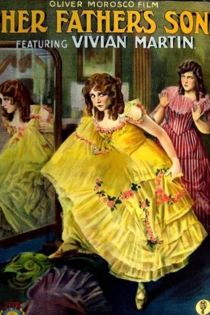
Her Father's Son
William Desmond Taylor
Vivian Martin, Gayne Whitman
A Union officer exposes the several deceptions his sweetheart has been engaging in. These include , spying for the Confederacy, and posing as a boy in order to comfort her aging and wealthy uncle who has no heir.
Her Father's Son
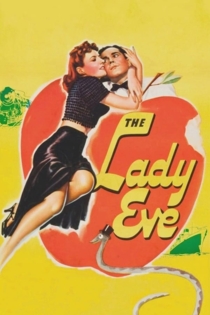
The Lady Eve
Preston Sturges
Barbara Stanwyck, Henry Fonda
It's no accident when wealthy Charles falls for Jean. Jean is a con artist with her sights set on Charles' fortune. Matters complicate when Jean starts falling for her mark. When Charles suspects Jean is a gold digger, he dumps her. Jean, fixated on revenge and still pining for the millionaire, devises a plan to get back in Charles' life. With love and payback on her mind, she re-introduces herself to Charles, this time as an aristocrat named Lady Eve Sidwich.
The Lady Eve
Too Many Crooks
Fred C. Newmeyer
Mildred Davis, Lloyd Hughes
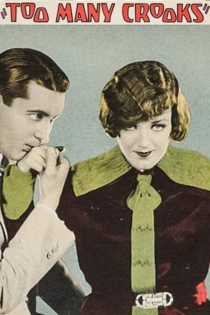
Too Many Crooks is a lost 1927 American comedy silent film directed by Fred C. Newmeyer, written by E.J. Rath and Rex Taylor, and starring Mildred Davis, Lloyd Hughes, George Bancroft, El Brendel, William V. Mong, John St. Polis, and Otto Matieson. It was released on April 2, 1927, by Paramount Pictures.
Too Many Crooks
Lucky Boy
Norman Taurog, Charles C. Wilson
George Jessel, Gwen Lee
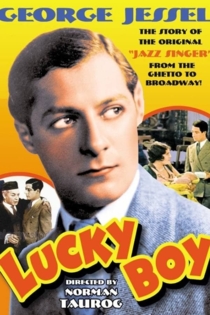
A young Jewish man works in his father's jewelry business, but he doesn't like it at all--he wants to be an entertainer, something he knows that his father would never approve of. He comes up with a scheme to put on his own show in a theater and show his father that he can be a success, but things don't work out quite as well as he planned.
Lucky Boy
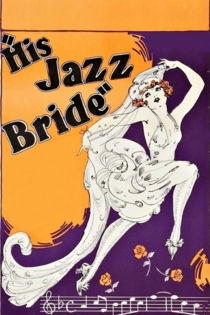
His Jazz Bride
Herman C. Raymaker
Marie Prevost, Matt Moore
Young lawyer Dick Gregory, is hard pressed to pay the bills of his wife, Gloria, and equally hard pressed to keep up with the frantic pace of her life. Edward Martindel, an attorney who represents a corporation against which Dick is litigating, attempts to bribe Dick with a substantial sum of money; Dick refuses, and Gloria develops a complaint against him on this account. After a particularly bitter argument, Gloria leaves Dick and joins some friends for a moonlight cruise. Alec Seymour, a friend of the Gregorys', tells Dick that the boat on which Gloria is sailing has not met safety standards, and Dick goes after her, saving her life when the boat sinks. Gloria repents of her wild and wicked ways, and she and Dick settle into calm domesticity.
His Jazz Bride
Little Hiawatha
David Hand
Sally Noble, Mary Rosetti
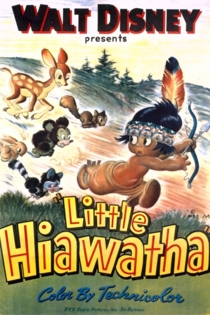
The "fearless warrior" of the poem is a very small child whose pants keep falling down. He tries to shoot a grasshopper with his arrow, but the grasshopper spits in his eye. He tries to shoot a bunny rabbit, but the rabbit is too cute and pathetic. He tracks a bear, and runs after its cub and right into the mother. But the rest of the animals, thankful for him saving the rabbit, come to his rescue.
Little Hiawatha
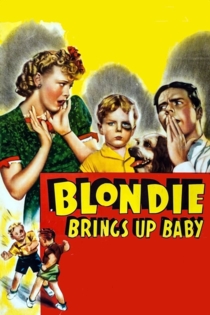
Blondie Brings Up Baby
Frank R. Strayer
Penny Singleton, Arthur Lake
Baby Dumpling, the six-year-old son of Blondie and Dagwood Bumstead disappears from sight during his first day at school. While Dagwood frantically combs the city in search of the boy, Baby Dumpling spents a nice, safe afternoon with poor little rich girl Melinda Mason, who with her new playmate's help arises from her sickbed to walk across the room for the first time in months.
Blondie Brings Up Baby