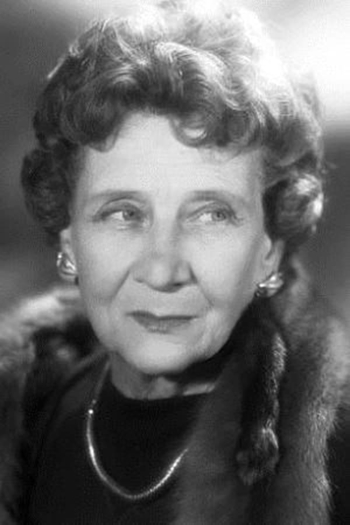
Sylvie
1883 - 1970The daughter of a sailor and a teacher, Sylvie entered an acting conservatory where she won a class comedy award unanimously. She started her professional career in 1903 and she earned her first success with The Old Heidelberg. She first appeared in French silent films. She was an actress known for Don Camillo (1952), The Shameless Old Lady (1965), and Le Corbeau (1943).
She was born on 3 January 1883 in Paris and died on 5 January 1970 in Compiègne, France.
She won the first National Society of Film Critics Award for Best Actress in 1966 for her performance in The Shameless Old Lady.
Source: Article "Sylvie (actress)" from Wikipedia in English, licensed under CC-BY-SA 3.0.
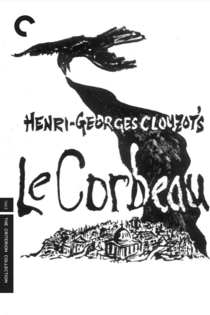
Le Corbeau
Henri-Georges Clouzot
Pierre Fresnay, Ginette Leclerc
Remy Germain is a doctor in a French town who becomes the focus of a vicious smear campaign, as letters accusing him of having an affair and performing unlawful abortions are mailed to village leaders. The mysterious writer, who signs each letter as "Le Corbeau" (The Raven) soon targets the whole town, exposing everyone's dark secrets. This allegorical film was highly controversial at the time of its release, and was banned in France after the Liberation.
Le Corbeau
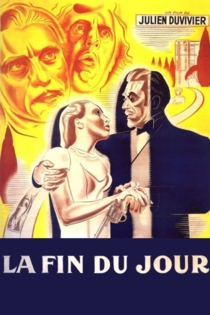
La Fin du Jour
Julien Duvivier
Louis Jouvet, Michel Simon
Aged penniless actors are living in a old people's home. They always talk about their past glory or failures. One day Raphael Saint-Clair comes; he has been a famous actor and had a lot of love affairs. Passions come back, and jealousies... A bitter film about aging, failure and the entertainment.
The End of the Day
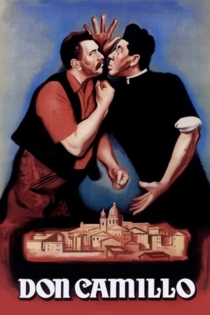
Don Camillo
Julien Duvivier
Fernandel, Gino Cervi
In a village of the Po valley where the earth is hard and life miserly, the priest and the communist mayor are always fighting to be the head of the community. If in secret, they admired and liked each other, politics still divided them as it is dividing the country. And when the mayor wants his "People's House"; the priest wants his "Garden City" for the poor. Division exist between the richest and the poorest, the pious and the atheists and even between lovers. But if the people are hard as the country, they are good in the bottom of there heart.
Don Camillo
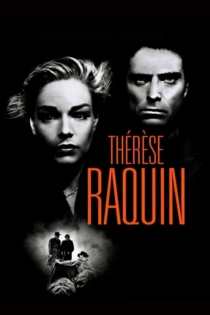
Thérèse Raquin
Marcel Carné
Simone Signoret, Raf Vallone
Star-crossed lovers Thérèse (Simone Signoret) and Laurent (Raf Vallone) think they've gotten away with murder after Thérèse's weakling husband "falls" from a speeding train. But when forced to contend with a blackmailer's demands and the mute accusations of Thérèse's mother-in-law (French stage and screen diva Sylvie, in a scene stealing performance), it's only a matter of time before the law, their passion or blind chance trips them up.
Thérèse Raquin
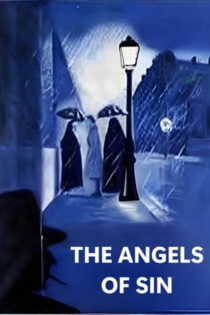
Les Anges du péché
Robert Bresson
Renée Faure, Jany Holt
A well-off young woman decides to become a nun, joining a convent that rehabilitates female prisoners. Through their program, she meets a woman named Thérèse who refuses any help because she says she was innocent of the crime she was convicted for. After being released from prison, Thérèse murders the actual perpetrator of the crime and comes to seek sanctuary in the convent.
Angels of Sin
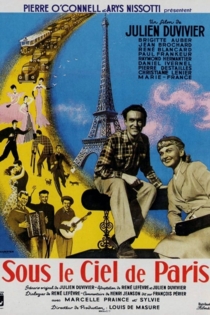
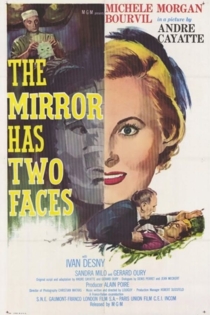
Nous sommes tous des assassins
André Cayatte
Marcel Mouloudji, Raymond Pellegrin
Originally titled Nous Sommes Tout des Assassins, We Are All Murderers was directed by Andre Cayette, a former lawyer who detested France's execution system. Charles Spaak's screenplay makes no attempt to launder the four principal characters (Marcel Mouloudji, Raymond Pellegrin, Antoinine Balpetre, Julien Verdeir): never mind the motivations, these are all hardened murderers. Still, the film condemns the sadistic ritual through which these four men are brought to the guillotine. In France, the policy is to never tell the condemned man when the execution will occur--and then to show up without warning and drag the victim kicking and screaming to his doom, without any opportunity to make peace with himself or his Maker. By the end of this harrowing film, the audience feels as dehumanized as the four "protagonists." We Are All Murderers was roundly roasted by the French law enforcement establishment, but it won a special jury prize at the 1952 Cannes Film Festival.
We Are All Murderers
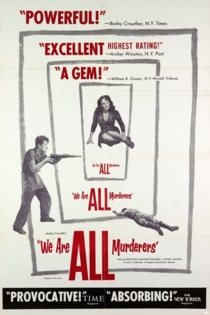

Cronaca familiare
Valerio Zurlini
Marcello Mastroianni, Jacques Perrin
Enrico is a struggling journalist in the Rome of 1945. He receives a phone call informing him that his younger brother Lorenzo has died. Enrico recalls their long and difficult relationship; he was brought up by their poor but warm-hearted grandmother, Lorenzo was raised as a gentleman by a wealthy local aristocrat. Reunited in the Florence of the 1930s, Enrico becomes his spoilt brother's keeper, forever haunted by a sense of guilty responsibility towards a man he both hates and loves.
Family Diary
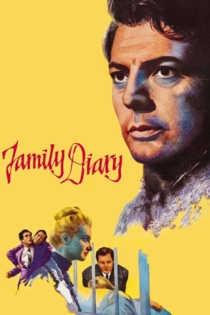
The Shameless Old Lady
René Allio
Sylvie, Victor Lanoux
Madame Bertini, a newly widowed 70-year-old miser, has lived a sheltered life in squalour. She determines to venture into the modern world and have as much fun as possible, and in doing so finds that she loves it. She blows her life savings, much to the disapproval of the young people around her.
The Shameless Old Lady
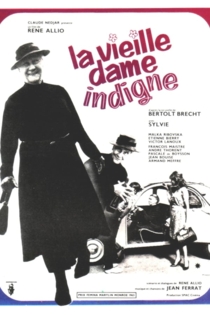
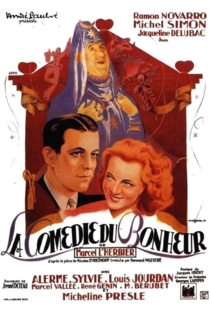
La Comédie du bonheur
Marcel L'Herbier
Michel Simon, Ramon Novarro
Monsieur Jourdain is a dangerous madman : he wants to share his fortune! His relatives do what any sensible fellow on earth would do: they have him committed to a mental hospital. But Jourdain manages to escape and decides to make everybody happy except... his heirs!
Comedy of Happiness