
Christine Kaufmann
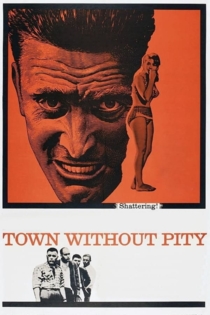
1945 - 2017Born to a German father and a French mother in Lengdorf, Styria, Kaufmann became a ballerina at the Munich Opera. She started her film career at the age of seven in the 1952 adaptation of Im weißen Rößl (White Horse Inn). The film which brought her fame was Rosen-Resli, released in 1954, when she was only nine. She gained international recognition when she starred with Steve Reeves in The Last Days of Pompeii (1959) and with Kirk Douglas in Town Without Pity (1961). The following year she appeared in Escape from East Berlin.
In 1963 Kaufmann married Tony Curtis, whom she had met during the filming of Taras Bulba (1962). They had two daughters, Alexandra (born July 19, 1964) and Allegra (born July 11, 1966). They divorced in 1968. Kaufmann resumed her career, which she had interrupted during her marriage.
Kaufmann is also a successful businesswoman, promoting her own cosmetics products line that sells well in Germany. She has written several books about beauty and health, as well as two autobiographies. She speaks three languages: German, English, and French.
Description above from the Wikipedia article Christine Kaufmann, licensed under CC-BY-SA, full list of contributors on Wikipedia.
Bend Sinister
Herbert Vesely
Helmut Käutner, Peter Lühr
In a fictitious European city known as Padukgrad, where a government arises following the rise of a philosophy known as "Ekwilism", which discourages the idea of anyone being different from anyone else, and promotes the state as the prominent good in society.
Bend Sinister

Welt am Draht
Rainer Werner Fassbinder
Klaus Löwitsch, Barbara Valentin
Институт кибернетики создал революционный суперкомпьютер — Симулакрон, с помощью которого можно моделировать целые миры и населять их искусственными людьми. Изначально Симулакрон должен был использоваться в благих общественных целях, но глава Института Сискинс начинает осуществлять свои корыстные планы. Помешать Сискинсу, а также разгадать ряд тайн и загадок вокруг суперкомпьютера должен гений компьютерных технологии Фред Штиллер…
Welt am Draht
Lola
Rainer Werner Fassbinder
Барбара Сукова, Armin Mueller-Stahl
Germany in the autumn of 1957: Lola, a seductive cabaret singer-prostitute exults in her power as a temptress of men, but she wants out—she wants money, property, and love. Pitting a corrupt building contractor against the new straight-arrow building commissioner, Lola launches an outrageous plan to elevate herself in a world where everything, and everyone, is for sale. Shot in childlike candy colors, Fassbinder’s homage to Josef von Sternberg’s classic The Blue Angel stands as a satiric tribute to capitalism.
Lola



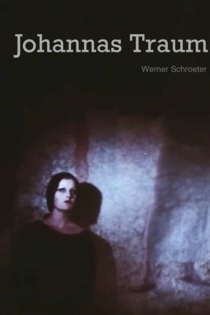
Johannas Traum
Werner Schroeter
Magdalena Montezuma, Candy Darling
With the ascetic grandeur of Carl Th. Dreyer’s The Passion of Joan of Arc, Schroeter evokes the visions of Saint Joan, partly through unused footage of Darling and Caven pantomiming in his 1972 film The Death of Maria Malibran. - MoMA
Johannas Traum
Primo amore
Mario Camerini
Carla Gravina, Lorella De Luca
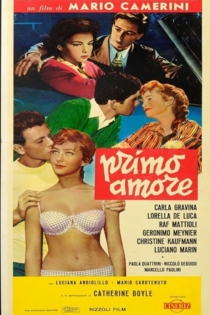
Ugo meets the 18-year-old Renata in the hostel where she is staying. He falls in love with and leaves with her for several romantic places until the money ends. Ugo will try to get the girl engaged on a local TV station, but Renata falls in love with a manager.
First Love
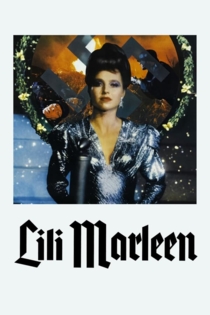
Lili Marleen
Rainer Werner Fassbinder
Hanna Schygulla, Giancarlo Giannini
The story of a German singer named Willie who while working in Switzerland falls in love with a Jewish composer named Robert whose family is helping people to flee from the Nazis. Robert’s family is skeptical of Willie, thinking she could be a Nazi as she becomes famous for singing the song “Lili Marleen”.
Lili Marleen
Goldflocken
Werner Schroeter
Magdalena Montezuma, Ila von Hasperg
Werner Schroeter's rhapsody of excess leaps from 1949 Cuba to contemporary France to points in between, while its feverishly shifting visual style evokes and parodies everything from kitschy Mexican telenovelas to silent French art films.
Goldflocken