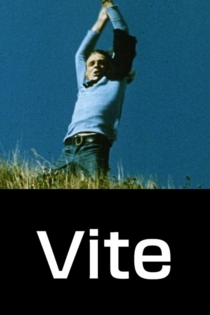
Daniel Pommereulle
1937 - 2003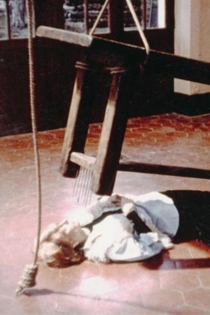
La Collectionneuse
Éric Rohmer
Patrick Bauchau, Haydée Politoff
A bombastic, womanizing art dealer and his painter friend go to a seventeenth-century villa on the Riviera for a relaxing summer getaway. But their idyll is disturbed by the presence of the bohemian Haydée, accused of being a “collector” of men.
La Collectionneuse

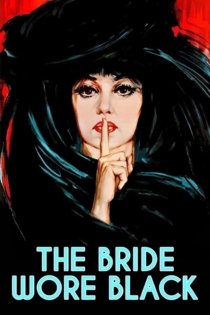
Weekend
Jean-Luc Godard
Mireille Darc, Jean Yanne
A supposedly idyllic weekend trip to the countryside turns into a never-ending nightmare of traffic jams, revolution, cannibalism and murder as French bourgeois society starts to collapse under the weight of its own consumer preoccupations.
Weekend

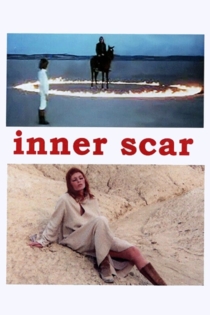
Cinématon
Gérard Courant
Gérard Courant, Alain-Alcide Sudre
Cinématon is a 156-hour long experimental film by French director Gérard Courant. It was the longest film ever released until 2011. Composed over 36 years from 1978 until 2006, it consists of a series of over 2,821 silent vignettes (cinématons), each 3 minutes and 25 seconds long, of various celebrities, artists, journalists and friends of the director, each doing whatever they want for the allotted time. Subjects of the film include directors Barbet Schroeder, Nagisa Oshima, Volker Schlöndorff, Ken Loach, Benjamin Cuq, Youssef Chahine, Wim Wenders, Joseph Losey, Jean-Luc Godard, Samuel Fuller and Terry Gilliam, chess grandmaster Joël Lautier, and actors Roberto Benigni, Stéphane Audran, Julie Delpy and Lesley Chatterley. Gilliam is featured eating a 100-franc note, while Fuller smokes a cigar. Courant's favourite subject was a 7-month-old baby. The film was screened in its then-entirety in Avignon in November 2009 and was screened in Redondo Beach, CA on April 9, 2010.
Cinématon
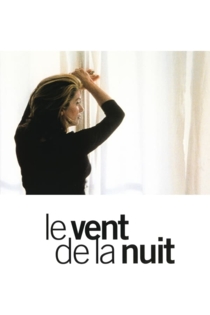
Le Vent de la nuit
Philippe Garrel
Catherine Deneuve, Daniel Duval
A wayward young man finds himself involved with two mysterious people of a previous generation. After an affair with the married Hélène, the young man tries to escape her obsessions on a road trip with Serge, a taciturn relic of the 60s.
The Wind of the Night
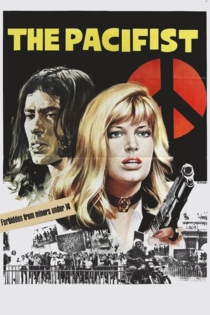
La pacifista - Smetti di piovere
Miklós Jancsó
Monica Vitti, Pierre Clémenti
Barbara (Monica Vitti) is a journalist investigating the local counterculture who becomes involved, after an unpleasant start of battery and stalking, with Pierre Clémenti's louche all-around dropout.
The Pacifist
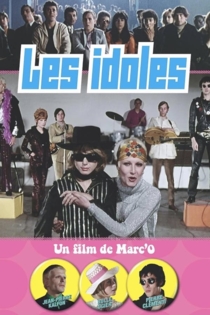
Les idoles
Marc-Gilbert Guillaumin
Bulle Ogier, Pierre Clémenti
This satire concerns three French singing idols and their attempt to stay in the public eye. A press conference, backstage hedonism, psychedelia, manipulative managers and disc jockeys are portrayed as the pop culture is thoroughly and effectively lampooned in this independent feature.
The Idols
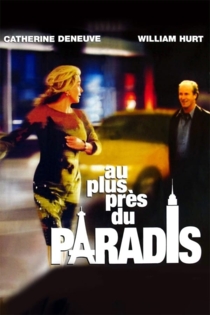
Au plus près du paradis
Tonie Marshall
Catherine Deneuve, William Hurt
People and life can be cruel, and in their face, Fannette is cool: toward an old acquaintance, to her daughter, to colleagues. Beneath the surface, she roils with passion for a lost love, Philippe. She watches "An Affair to Remember" again and again, and when she receives a letter from Philippe asking her to meet him atop the Empire State Building, she swoons. She's writing a book on an aged painter, so she organizes a trip to New York ostensibly to secure photographs of some of his pieces. The publisher assigns her a photographer, Matt, on the surface spontaneous and flip, but also aggressive about his attraction to her. Will she be with the one she loves? Will she smile? Written by
Nearest to Heaven
Vite
Daniel Pommereulle
Mustapha, Daniel Pommereulle
In 1969, the painter-sculptor Daniel Pommereulle made his third film, this one financed by Sylvina Boissonnas. Although only a short, Vite was one of the most costly of all the Zanzibar productions. It features, for instance, shots of the moon taken by a state-of-the-art telescope, the Questar, that Pommereulle first saw while visiting Marlon Brando in southern California in 1968. In Rohmer’s La Collectionneuse, Pommereulle and his friend Adrien philosophize on how best to achieve le vide (emptiness) during their summer holidays. Three years later, Pommereulle would transform the word “vide” to “vite” (quickly), signifying his profound disenchantment with the aftermath of the revolution of May ’68. —Harvard Film Archive
Vite