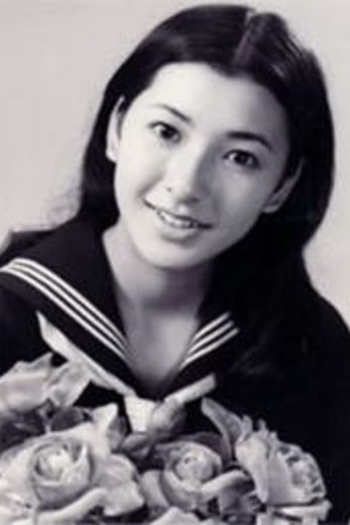
Keiko Takahashi
1955 (71 год)
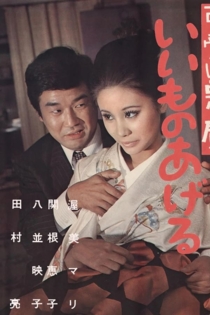
可愛い悪魔 いいものあげる
Yoshio Inoue
Mari Atsumi, Keiko Takahashi
Yumi Ishikawa (Mari Atsumi) is nineteen and a popular geisha. Orphaned when a child, Yumi she was raised by Shizuko, the madame of a geisha house. Yumi is impulsive, out-going. And although she cannot claim to be good at Japanese dancing or playing musical instruments so necessary to a geisha, she is a whizz at go-go and will dance the hula at parties. But before becoming a full-fledged geisha, Yumi must go through the ceremony of the "mizuage", when a budding geisha surrenders her virginity to an experienced man who makes her a woman. Takida, a rich money-lender, is chosen for Yumi's mizuage but she offers herself first to Keiichi (Ryo Tamura), who she really loves although she knows that his world and hers are too far apart for a successful marriage.
Just for You
Zen
Banmei Takahashi
Kantarô Nakamura, Yuki Uchida
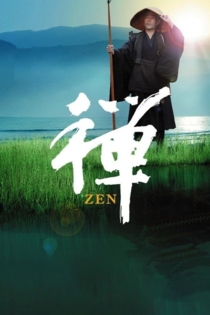
In the early 1200s, Dogen brought Chinese Zen philosophy to Japan, and established the Japanese Zen school of Buddhism. He taught that a person was capable of realizing Buddhahood within himself, by way of Zazen. Zazen is extended hours of sitting and meditating to achieve a state of “Mu” (nothingness, or empty existence).
Zen
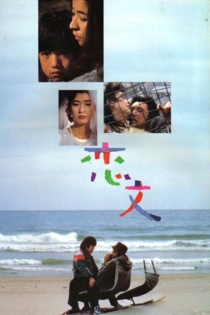
Love Letter
Tatsumi Kumashiro
Kenichi Hagiwara, Mitsuko Baisho
A drama depicting the conflict between a man that ran to an old lover suffering from advanced leukemia, his wife and child that were left behind, and the friendship that develops between his wife and his former lover.
Love Letter
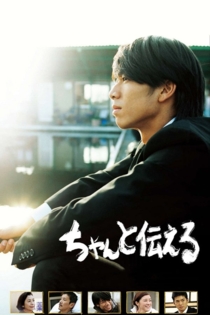
ちゃんと伝える
Sion Sono
Akira, Eiji Okuda
Shiro's struggle with his father's cancer and impending death leads to a realization that he must communicate his love and admiration for him before it's too late. A series of flashbacks reveals their relationship over time, and the trouble Shiro faced connecting to his strict father who was also his teacher and soccer coach. With a consuming secret of his own, Shiro, now in his late twenties and about to get engaged, must eventually learn how to share the pain of it with his loved ones.
Be Sure to Share
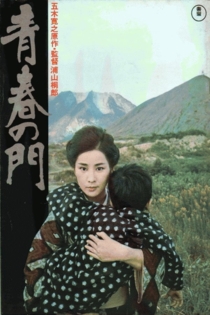
青春の門
Kirio Urayama
Sayuri Yoshinaga, Ken Tanaka
Mainly the story of Shinsuke and his stepmother, ranging from Shinsuke's infanthood to his mid-teens. Coal workers and the mines dominate nearly every aspect of the life of the characters. Shinsuke's father dies while bravely using dynamite to rescue a group of trapped Korean miners. Several older men attempt to help he and his mother cope, including a kind Korean and a Harley-riding yakuza.
The Gate of Youth
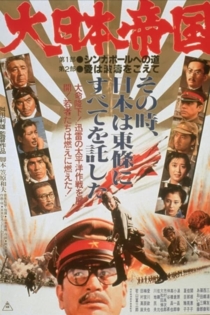
神田川
Masanobu Deme
Keiko Takahashi, Masao Kusakari
Based on a blockbuster song by Kaguyahime, a folk group. Makoto, a college student who belongs to a puppet theatre club, meets Michiko, who works at a printing factory, and they come to learn the bitterness and sadness of love. The two live humbly by the River Kanda, but are viewed coldly by people around them.
Kandagawa


動脈列島
Yasuzō Masumura
Masaomi Kondo, Jirō Tamiya
Akiyama is an intern, disgusted with the noise pollution caused by the bullet trains and the heart attacks that noise has been causing in older hospital patients, plots to disrupt and, in ten days, destroy a unit of the operation. He warns the Japan National Railway, that, if nothing is done to reduce the noise, he will derail a bullet train. Takigawa is the police detective sent to stop him.
Main Line to Terror

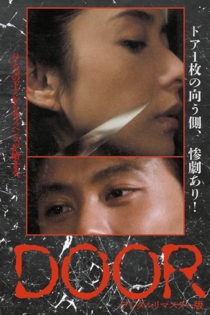
DOOR
Banmei Takahashi
Keiko Takahashi, Daijiro Tsutsumi
A housewife, Yasuko lives in an urban high-rise apartment with her husband Satoru and her son Takuto. Annoyed by spam calls and door-to-door salesmen, Yasuko slams the door on a salesman’s finger when he tries to squeeze a flyer through chained door. He leaves but the next day, her nightmare starts.
Door