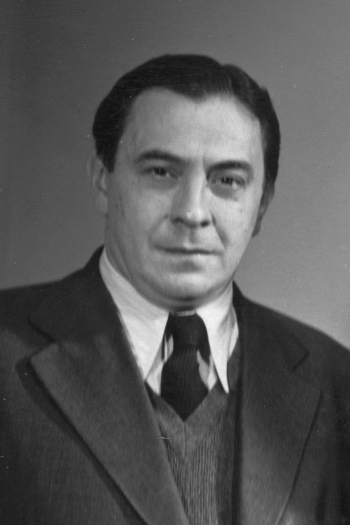
Géza von Bolváry
1897 - 1961
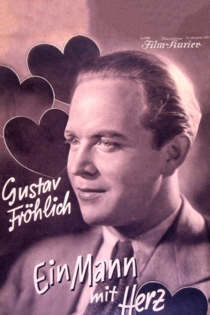
Ein Mann mit Herz
Géza von Bolváry
Gustav Fröhlich, Gustav Waldau
A story about a series of confusions, in which Paul Ritter, a bank employee, is unaware that the girl he's fallen in love with is the daughter of his boss. No one bothers to tell him and he gets jealous of the boss, who seems to have a very good relationship with the girl.
A man with a heart

Der dunkle Tag
Géza von Bolváry
Marte Harell, Willy Birgel
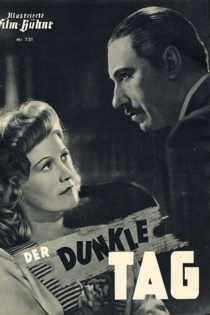
Wolf Burkhardt, who has acquired mining rights in Africa, returns home to get financing for his project. At the same time, he'd like to renew his youthful love for Georgia, but is eventually, and falsely, suspected of fraudulent activities and returns back to Africa. It is only with the passing of five years that he sees his beloved once more. In the interim, she has married a state's prosecutor and they have a daughter.
Der dunkle Tag
Schwarze Augen
Géza von Bolváry
Will Quadflieg, Cornell Borchers
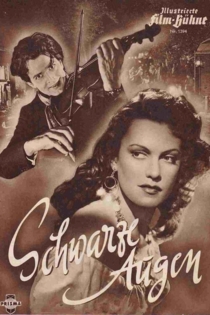
Violin virtuoso Fedor Varany meets on the train from Nice to Vienna Helene Samboni, the lover of the Chamber of Commerce President Alexander Grabner and still-wife of the artist Samboni know. Fedor falls in love with her without betraying his identity.
Schwarze Augen
Der Herr auf Bestellung
Géza von Bolváry
Willi Forst, Paul Hörbiger
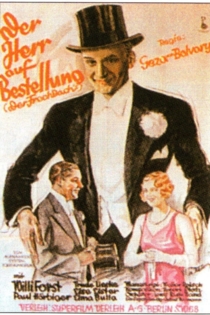
"Der Herr auf Bestellung" has the Weimar dream team of Walter Reisch as scriptwriter, Geza von Bolvary as director and most importantly, the incomparable Willi Forst as main actor. This 'musical burlesque' tells about a stylish young gentleman (Willi Forst) who works as a so-called 'Festredner'; an untranslatable term, it indicates a person who makes speeches at important events like marriages etc. for people who don't feel able to do it themselves. Willi lends his voice to a speech-impaired professor (Paul Hörbiger), but the baroness (Trude Lieske) who falls in love with Hörbiger only does so because of Willi's voice, and you can guess that this leads to all sorts of complications…
The Darling of Vienna
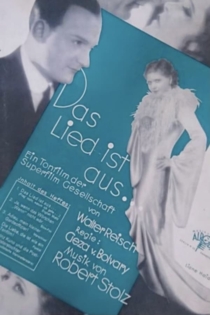
Das Lied ist aus
Géza von Bolváry
Liane Haid, Willi Forst
Das Lied ist Aus (The Song Is Ended) is a typical early-talkie German musical in every respect, save one. The story, concerning the lives and loves of show folk, ends unhappily -- and surprisingly so. The doleful denouement didn't seem to have much effect on the film's box-office appeal, since Das Lied ist Aus proved a major moneymaker.
The Song Is Over
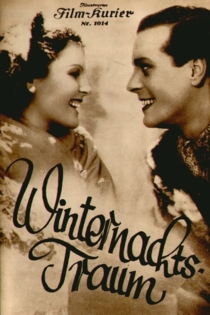
Winternachtstraum
Géza von Bolváry
Magda Schneider, Wolf Albach-Retty
The wintry mountainscapes of Bavaria provide the backdrop for this airy German comedy. The story is set in motion when young clerk Boenecke (Richard Romanowsky) accidentally delivers a check to the wrong bank. Boenecke's boss Schumann (Walter Steinbeck) suspects the clerk of embezzlement -- especially since our hero has taken off on an extended Alpine vacation with his sweetheart Hilde (Magda Schneider). Before this comic chain reaction can be straightened out, hero and heroine have become entangled with a gang of female pickpockets. Essentially a "moonlight and strudel" confection, Winterachtstraum was perfect escapist entertainment for Magda Schneider's legions of fans.
Winter Night's Dream
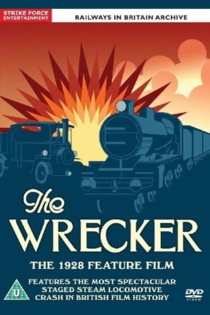
The Wrecker
Géza von Bolváry
Carlyle Blackwell, Benita Hume
The Wrecker is a British film that tells the story of a crook who organises train crashes to discredit the railway, in favour of a rival bus company. The stunts in this film were groundbreaking for 1920s British cinema A scene wich has been discribed as "the most spectacular rail crash in cinema history" was recorded by 22 cameras.
The Wrecker