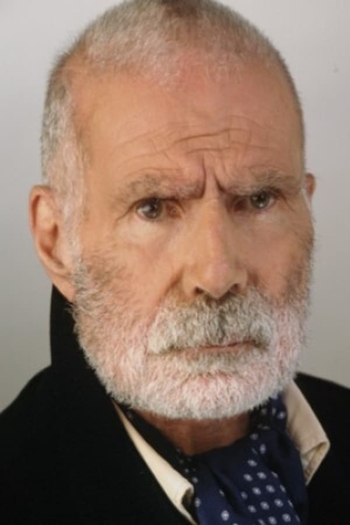
Jacques Dufilho
1914 - 2005Originally from the south-west of France, Jacques Jacques-Gabriel Dufilho studied agriculture then went to Paris to live his passion for painting and sculpture. It was there that he met Charles Dullin, a great man from the theater world who passed on his passion for the stage to him and made his cabaret-theatre debut in 1951 with Agnès Capri. Jacques Dufilho then begins by playing sketches before turning to the big screen. In 1939, he participated in Marc Allégret's project in the film "Le Corsaire" but the film remained unfinished. Jacques Dufilho is not worried about it as two years later, he plays the role of a lumberjack in André Zwobada's feature film "Croisières Sidérales".
Subsequently, the actor chained the roles in the cinema but it was in 1949 that he was noticed by the general public in "La Ferme des Sept Péchés" by Jean-Devaivre. Jacques Dufilho also went to the theater and went on stage for the first time in Dostoyevsky's play, "The Brothers Karamazov" directed by André Barsacq. When the Second World War broke out, Jacques Dufilho was part of the 2nd Hussard Regiment, particularly in the 29th infantry division reconnaissance group as he received the Legion of Honor in 1998. In 1953, he played in the play by Molière "The Doctor Despite Him" under the direction of Jean-Pierre Darras. The following year, he returned with André Barsacq to the Théâtre de l'Atelier in "Colombe" by Jean Anouilh. He still plays in the cinema as in "Marie-Antoinette, Reine De France" by Jean Delannoy in 1956. Same year, same director, he plays in "Notre-Dame De Paris".
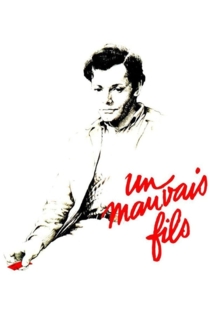
In 1961 and 1962, Jacques Dufilho returned to the stage with André Barsacq in "Les Maxibules" by Marcel Aymé and "L'Avare" by Molière. The actor made an impression in "The Guardian", adapted from the English play "The Caretaker" by Harold Pinter. The year 1978 marks a new turning point in the career of Jacques Dufilho, with the film "Le Crabe-Tambour" by Pierre Schoendoerffer, thanks to his interpretation of the role of the chief mechanic in the film, he will be rewarded with a César in the Best Supporting Actor category. In 1980, he played Adrien Dussart in "A bad son" by Claude Sautet, which earned him a second César award, still in the same category. At the theater, in 1988 the actor was awarded the Molière du Comédien for his role in Herb Gardner's play "Je Ne Suis Pas Rappaport" directed by Georges Wilson. Over the years, Jacques Dufilho will play under the direction of Louis Malle, Claude Chabrol, André Hunebelle, Yves Robert and many others. In 1999, he played in "C'est Quoi La Vie?" by François Dupeyron, which earned him a new nomination for the Césars. On television, he received the Seven d'Or for best actor after his role in the film "Une Femme Innocente". In 2003 he released his autobiography "Les Sirènes Du Bateau-Loup" published by Fayard.
The actor died on August 28, 2005 in Ponsampère at the age of 91 after playing his last role in "Up There, A King Above The Clouds" by Pierre Schoendoerffer.


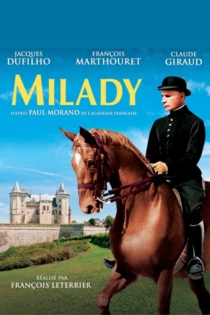
Milady
François Leterrier
Jacques Dufilho, Claude Giraud
Commandant Gardefort, horseman at the Cadre Noir Riding Academy in Saumur, having given up hope of promotion decides to retire. To fill his time until then, he buys a mare, Milady, and in two years trains her to the highest dressage haute ecole standards. But he finds himself in dire financial straits over his divorce, and is obliged to sell the mare. She is bought by a rich Belgian banker, who transforms Milady into a circus horse. Visiting him, Gardefort resolves the situation in the only way he sees fit.
Milady
War of the Buttons
Yves Robert
Jacques Dufilho, Yvette Etiévant
For generations, two rival French villages, Longueverne and Velrans, have been at war. But this is no ordinary conflict, for the on-going hostilities are between two armies of young schoolboys. When he is beaten by his father for having lost his buttons, the leader of the Longueverne army, Lebrac, has an idea which will give his side the advantage: next time, he and his brave soldiers will go in battle without their clothes...
War of the Buttons

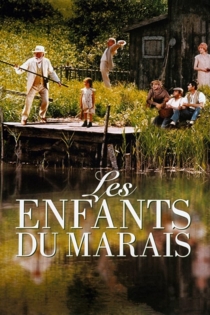
The Children of the Marshland
Jean Becker
Jacques Villeret, Jacques Gamblin
The film is set in Marais, a quiet region along the banks of Loire river in 1918. Riton is afflicted with a bad-tempered wife and three unruly children. Garris lives alone with his recollections of World War I trenches. Their daily life consists of seasonal work and visits from their two pals: Tane, the local train conductor and Amédée, a dreamer and voracious reader of classics.
The Children of the Marshland
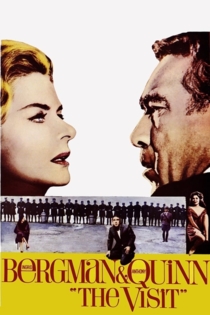
The Visit
Bernhard Wicki
Ingrid Bergman, Anthony Quinn
Carla Zachanassian had a child by Serge Miller as a teenager. When Serge refused to marry her, she was driven out of town. By her own wit and cunning, she has returned as a multi-millionaire for a visit. The town lays out the red carpet expecting big things from Carla, only to learn that her sole purpose is to see Serge Miller killed...
The Visit
Nosferatu the Vampyre
Werner Herzog
Klaus Kinski, Isabelle Adjani
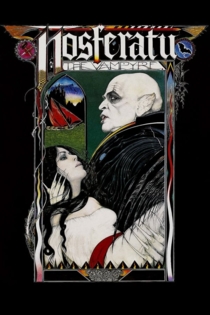
Jonathan Harker, a real estate agent, goes to Transylvania to visit the mysterious Count Dracula and formalize the purchase of a property in Wismar. Once Jonathan is caught under his evil spell, Dracula travels to Wismar where he meets the beautiful Lucy, Jonathan's wife, while a plague spreads through the town, now ruled by death.
Nosferatu the Vampyre
Trintignant par Trintignant
Lucie Cariès, Yves Jeuland
Anouk Aimée, Jean-Louis Trintignant
A portrait of a man of rare elegance and enigmatic charm, versatile and successful: Jean-Louis Trintignant, one of the most critically acclaimed French actors of the last sixty years, known for his numerous roles on stage and screen.
Trintignant by Trintignant

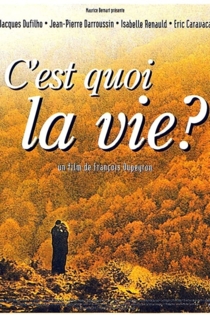
C'est quoi la vie ?
François Dupeyron
Éric Caravaca, Jacques Dufilho
In this drama, three generations of the same family work together on a farm in rural France. Elderly Noel takes pride in having worked this land nearly all his life. His son Marc now carries most of the responsibilities of the farm (as well as the debts), and he's starting to buckle under the strain. And Marc's son Nicolas hasn't decided what to do with his life; he has little interest in farming, but he isn't sure where his real talents lie. One day, after helping his cows give birth to new calves, Marc gets word that he must destroy all his cattle to prevent the spread of Mad Cow Disease. This proves the last straw for Marc, and he commits suicide. Noel doesn't handle his son's death well and ends up in a retirement home, while Marc's wife gets a job as a cashier and Nicolas looks for work (with little success) while searching for a beautiful and mysterious woman to whom he gave a ride.
C'est quoi la vie ?