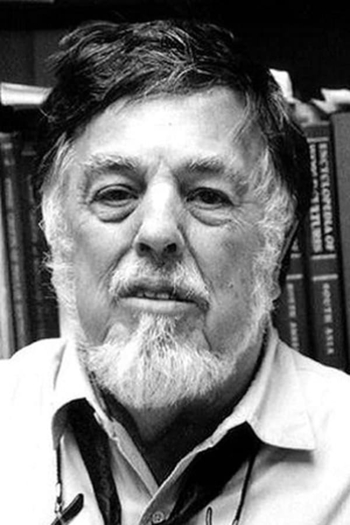
Alan Lomax
2021The Land Where the Blues Began
Alan Lomax
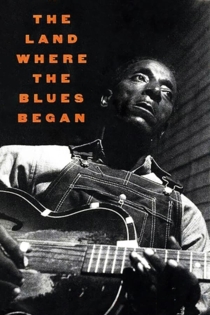
An exploration of the musical and social origins of the blues, shot on location in Mississippi in 1978 by Alan Lomax, John Bishop, and Worth Long in association with the Mississippi Authority for Educational Television and broadcast on PBS in 1980. This re-release in 2009 includes two hours of additional music.
The Land Where the Blues Began
Appalachian Journey
Alan Lomax
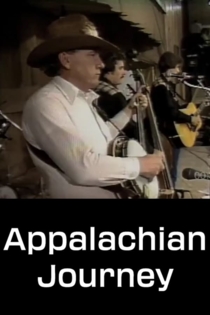
Appalachian Journey is one of five films made from footage that Alan Lomax shot between 1978 and 1985 for the PBS American Patchwork series (1991). It offers songs, dances, stories, and religious rituals of the Southern Appalachians. Preachers, singers, fiddlers, banjo pickers, moonshiners, cloggers, and square dancers recount the good times and the hard times of rural life there. Performers include Tommy Jarrell, Janette Carter, Ray and Stanley Hicks, Frank Proffitt Jr., Sheila Kay Adams, Nimrod Workman and Phyllis Boyens, Raymond Fairchild, and others, with a bonus of a few African-Americans from the North Carolina Piedmont. Narrated by Alan Lomax. The Association for Cultural Equity’s Alan Lomax Archive channel on YouTube additionally streams outtakes from this film: other strong performances by Sheila Kay Adams, Dellie Norton, and Cas Wallin, Lawrence Eller, the Hickses, Algia Mae Hinton and John Dee Holeman, Tommy Jarrell, John “Doodle” Thrower, and Nimrod Workman.
Appalachian Journey
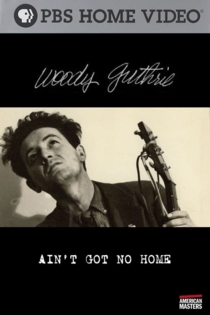
Woody Guthrie: Ain't Got No Home
Peter Frumkin
Woody Guthrie, Peter Coyote
Every American who has listened to the radio knows Guthrie's "This Land Is Your Land." The music of the folk singer/songwriter has been recorded by everyone from the Mormon Tabernacle Choir to U2. Originally blowing out of the Dust Bowl in Depression-era America, he blended vernacular, rural music and populism to give voice to millions of downtrodden citizens. Guthrie's music was politically leftist, uniquely patriotic and always inspirational.
Woody Guthrie: Ain't Got No Home
Lomax the Songhunter
Rogier Kappers
Alan Lomax
Alan Lomax (1915-2002) was a song collector who recorded ordinary people, who gave their heart and soul in front of his microphone. The film maker decides to search for people Lomax recorded, travelling through Europe in an old Volkswagen. His journey leads him past desolate Scottish islands, through the withered interior of Spain and to isolated Italian mountain villages. The search is combined with conversations with colleagues and friends of Lomax. Throughout the movie, every now and then we return to a frail but happy 86-year old Lomax. In this passionate and musical roadmovie we slowly discover why folk music can be so pretty and what could have once possessed the legendary Alan Lomax.
Lomax the Songhunter

Oss Oss Wee Oss
Alan Lomax
Charlie Chilton, Charlie Bate
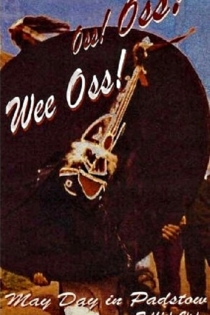
Padstow, a fishing village on the coast of Cornwall, celebrates May Day with an ancient custom: two osses (hobby-horses) dance through the town streets accompanied by drums and accordions. All Padstownians participate in the event, which has now become a tourist attraction drawing over tens of thousands of annual visitors. Folklorists Alan Lomax and Peter Kennedy and filmmaker George Pickow collected footage at the festival in 1951, producing a pioneering work in the use of sound, low-light photography, and conversational presentation of narrative. A favorite of Margaret Mead, who used it in her classes, the film circulated widely and continues to have influence today, especially in the neo-Pagan community.
Oss Oss Wee Oss
Dance and Human History
Alan Lomax
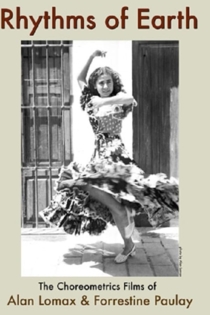
Introduces the work of Alan Lomax and his colleagues in developing choreometrics, a cross-cultural method of studying the relationship of dance style to social structure. Shows how the group, including Forrestine Paulay and Irmgard Bartenieff, analyzed dance films from all over the world and established a connection between patterns of movement and patterns of culture.
Dance and Human History
Dreams and Songs of the Noble Old
Alan Lomax
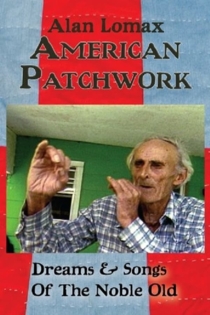
An examination of the talents and wisdom of elderly musicians, singers, and story-tellers, who perform not for fame or fortune but to preserve and share their culture. Stories told by Janie Hunter (80 years old) of Johns Island, S.C.; ballads sung by ex-coal miner and union organizer Nimrod Workman (91), of Chatteroy, W.V.; fiddle tunes and tales of moonshining and feuds from Tommy Jarrell (83) of Toast, N.C.; and footage from the Alabama Sacred Harp Convention in Fyffe, Alabama, in which people of all ages gather to sing old-time shape-note hymnody.
Dreams and Songs of the Noble Old
Step Style
Alan Lomax
Alan Lomax and his associates, beginning in the late 1950s undertook a monumental study of the relationship between style in song and dance cross-culturally. It began with Cantometrics which developed a common language description for the many variables in performance style in the diverse cultures of the world and measured how those variables clustered geographically and in relation to means of subsistence and aspects of social organization. Choreometrics continued this investigation into dance and movement. A continuation of Alan Lomax & Forrestine Paulay's Choreometrics project, this film examines the use of the foot in dance cross culturally. Though this film comes from later in the project, below is an interesting article written by Lomax about the methodology he was developing for this sort of film.
Step Style
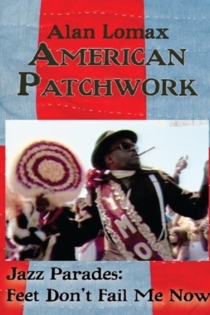
Jazz Parades: Feet Don't Fail Me Now
Alan Lomax
A celebration of New Orleans' musical culture — from its piano bars and barrelhouses to brass bands and street parades, with their colorful, riotous, and symbolic second lines, in which the community plays an essential part in the performance. Shot in the thick of funeral parades and nightclubs, with performances by the Preservation Hall Jazz Band, the Dirty Dozen Brass Band, and Danny Barker, Feet Don't Fail Me Now tells the story of New Orleans' utterly unique and valuable jazz heritage.
Jazz Parades: Feet Don't Fail Me Now
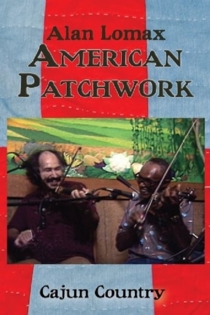
Cajun Country
Alan Lomax
The bayous of Louisiana have combined French, German, West Indian, native American and hillbilly ingredients into a unique cultural gumbo. Cajun Country investigates Cajun's roots in Western France, visits their cattle drives, horse races, and barroom dances in rural Louisiana, and listens to the salty tales and raunchy songs of its black, white, and Indian music-makers. Performancers include Canray Fontenot, Bois Sec Ardoin, Michael Doucet, Octa Clark, Dewey Balfa, and Dennis McGee.
Cajun Country
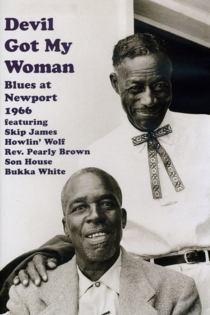
Devil Got My Woman: Blues At Newport 1966
Alan Lomax
Skip James, Son House
Includes "Devil Got My Woman," "I'm So Glad," "Worried Blues," "Keep Your Lamp Trimmed and Burning" and more. Features Bukka White, Son House, Howlin' Wolf and more! The Newport Folk Festival has long been known for its contribution to spreading the gospel of traditional American song. This 1966 performance from the festival was manufactured by celebrated archivist Alan Lomax. He created a juke joint atmosphere complete with flowing liquor and this film documents all the action. The juke joint setting may add considerable flavor, but even without the theatrics the footage of the blues legends stands on its own. Prime performances are delivered by Son House, Bukka White, Howlin' Wolf, Reverend Pearly Brown, and Skip James. Between songs the Wolf taunts Bukka and as the music plays the audience dances at a fever pitch.
Devil Got My Woman: Blues At Newport 1966