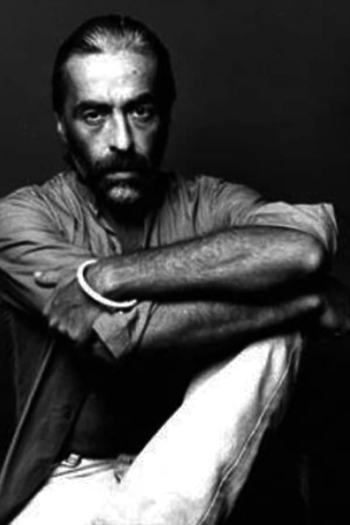
Paulo Villaça
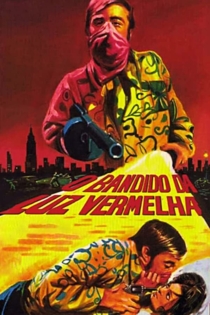
1933 - 1992Villaça worked as a Literature professor, journalist and advertising manager before his breakthrough as an actor in the 1960s. He achieved success by playing the main role in Rogério Sganzerla's "The Red Light Bandit" (1968).
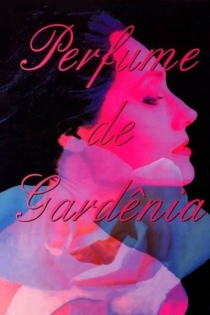
During the 1970s, Villaça was married to famous Brazilian actress Marília Pêra. He played parts in over 20 films, being a reconizable figure in productions from the Brazilian Cinema Marginal movement during the 1960s and 1970s. He also had a solid career at the theatre, where he acted in the Teatro Oficina company and played roles in many important plays, such as "Navalha na Carne", "Fala Baixo Senão eu Grito" and "Grande e Pequeno". In TV, he appeared in shows such as Rede Globo's "O Bofe" and Rede Bandeirante's "Os Adolescentes", limited series like "Quem Ama Não Mata" and "Chapadão do Bugre" and soap operas such as "Helena" and "Vale Tudo". His last film was 1992's "Perfume de Gardênia", which paid homage to his iconic role of The Red Light Bandit.
He died in Rio de Janeiro from HIV-related health problems, and was buried in São Paulo.

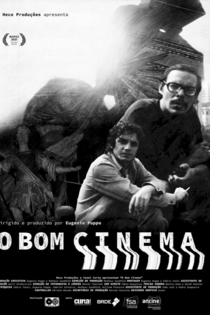
O Bom Cinema
Eugênio Puppo
Carlos Reichenbach, Rogério Sganzerla
An authentically marginal cinema created in Catholic university in Brazil. One of the most intriguing and imaginative moments in modern cinema in the voice of some of its select conspirators—with Carlos Reichenbach at the lead—, and through the most razing flow of images that can possibly be conceived.
The Good Cinema
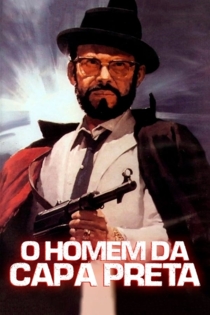
O Bandido da Luz Vermelha
Rogério Sganzerla
Paulo Villaça, Helena Ignez
Born and raised in the misery of Brazilian slums, Jorge becomes a luxury house burglar in São Paulo and gets nicknamed "The Red Light Bandit" by the sensationalist press. In addition to wearing a red flashlight, he talks to his hostages in an irreverent tone and makes bold breakthroughs to later spend the money extravagantly. His world is the decadent neighbourhood of Boca do Lixo.
The Red Light Bandit
Jardim de Guerra
Neville D'Almeida
Joel Barcellos, Maria do Rosário
Edson is having an affair with a left-wing aspiring movie director during Brazil's military dictatorship years. He tries to get some easy money for her film, but ends up being arrested and tortured as his torturers suspect he's involved in a plot to overthrow the military government.
Garden of War

Perfume de Gardênia
Guilherme de Almeida Prado
Christiane Torloni, José Mayer
Driver who was left by his wife, who wanted to try a career in the movies, has to deal with their son's revolt when the latter finds his mother, whom he thought dead, singing in a nightclub.
Scent of Gardenias
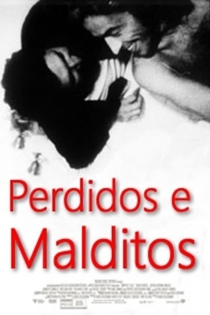
Mangue-Bangue
Neville D'Almeida
Maria Gladys, Paulo Villaça
The quasi-fictional story of transgender sex workers living in Rio de Janeiro's swampy red light district, who are joined by a group of hippies and a runaway stockbroker, "Mangue-Bangue" is the paradigmatic expression of the post-1968 spirit of desbunde, the Brazilian slang catchword for "sex, drugs, and rock 'n' roll".
Mangue-Bangue
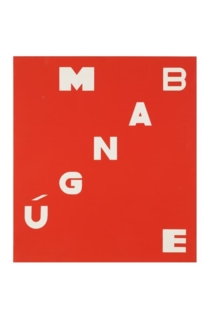
Copacabana Mon Amour
Rogério Sganzerla
Helena Ignez, Otoniel Serra
Sônia and her homosexual brother are both believed by their mother to be possessed by the devil. She works as a prostitute in the streets of Copacabana and he’s a servant who falls madly in love with his employer.
Copacabana My Love
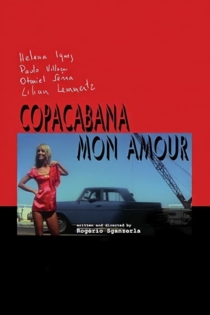
República dos Assassinos
Miguel Faria Jr.
Tarcísio Meira, Sandra Bréa
In 1970, the Esquadrão da Morte (Death Squad)' crimes for the refinement of violence provoked a wave of reactions throughout the country. The photos of the victims, adorned by the skull, symbol of the group, caused an uncomfortable indignation. This is the story of Mateus Romeiro, the most famous of the policemen, who was part of the Homens de Aço (Steelmen) group, one of the factions in which the squadron was divided.
República dos Assassinos
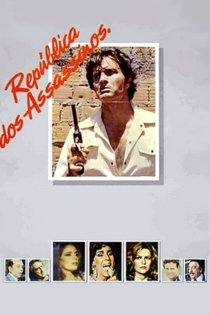
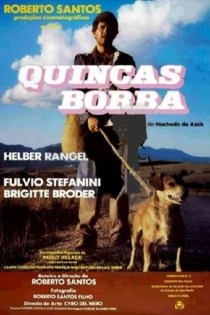
Quincas Borba
Roberto Santos
Paulo Villaça, Helber Rangel
Based on a book by Machado de Assis (1839-1908) and adapted to the present time. After the death of the philosopher Quincas Borba, his friend and disciple Rubiao inherits all he possessed: his fortune, his dog, his philosophy and the germ of his madness. Rubiao's passion for Sofia, a friend's wife, places him at the center of a game in which she is the main piece while he is the only one who ignores the rules. The story of a dreamer and delirious man facing a reality to which he is not prepared.
Quincas Borba
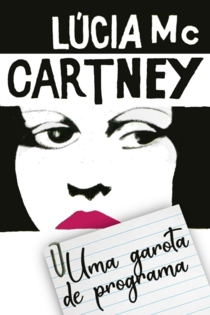
Lúcia McCartney, Uma Garota de Programa
David Neves
Adriana Prieto, Isabella Cerqueira Campos
In the 60's Lúcia McCartney is a call girl who is a fan of the Beatles. A diplomat tries to get her out of prostitution by falling in love with her.
Lúcia McCartney, Uma Garota de Programa