
Tony Tornado
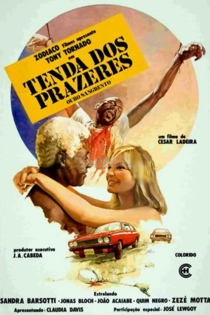
1930 (95 лет)Tenda dos Prazeres - Ouro Sangrento
Cesar Ladeira Filho
Tony Tornado, Grande Otelo
The son of a millionaire who owns gold mines in Transopia, Africa, Antoine Leblanc, who lives in a mansion in Rio, one day receives a letter from his father asking him for help against the gold smugglers from Transopia to Brazil.
Bloody Gold

Helen
André Meirelles Collazzi
Thalita Machado, Marcélia Cartaxo
Helen lives in a cortiço with her grandmother, Mrs. Graça, who supports the family with informal jobs, such as selling skewers. Still very naive, her biggest concern is buying her grandmother a birthday present: a makeup kit. The girl is going to bend over backwards to get the money and her search will reveal the daily life of those living in tenements, outlining a collective story from the network of relations that the girl establishes.
Helen

Simonal - Ninguém Sabe o Duro Que Dei
Cláudio Manoel, Micael Langer
Wilson Simonal, Elis Regina
In a time of timeless and revolutionary talents, Wilson Simonal shined as nobody before and innovated as only a few could. All of a sudden, everything vanished. This film maps the spectacular trajectory of the ex-Army corporal that ruled as a monarch, and was condemned to ostracism for an offense to which he pleaded not guilty.
Simonal: No One Knows How Tough It Was

Pixote
Héctor Babenco
Fernando Ramos da Silva, Jorge Julião
10-year-old Pixote endures torture, degradation, and corruption at a local youth detention center where two of its members are murdered by policemen who frame Lilica, a 17-year-old trans hustler. Pixote helps Lilica and three other boys escape and they start to make their living by a life of crime which only escalates to more violence and death.
Pixote

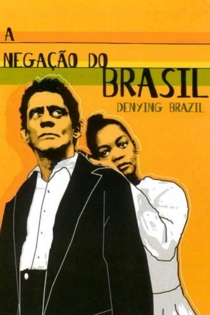
A Negação do Brasil
Joel Zito Araújo
Joel Zito Araújo, João Acaiabe
A documentary film about the taboos, stereotypes, and struggles of black actors in Brazilian television "soaps". Based on his own memories and on a sturdy body of research evidence, the director analyses race relations in Brazilian soap operas, calling attention to their likely influence on Brazilian African-Americans' identity-forming processes.
Denying Brazil
Natal da Portela
Paulo Cézar Saraceni
Milton Gonçalves, Almir Guineto
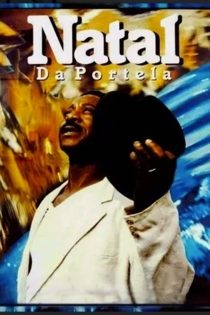
Biography of one of the legendary names in the Samba genre of Brazilian music. Although he could hardly dance or play an instrument, he became one of the main composers of Portela, an important Samba "school" in Rio de Janeiro.
Natal da Portela
Redentor
Cláudio Torres
Pedro Cardoso, Miguel Falabella
Célio Rocha believes he was assigned by God Himself a difficult mission: to persuade his childhood friend Otávio Sabóia, a corrupt entrepeneur in the construction business, to give away all his possessions to the poor.
Redeemer

Quilombo
Carlos Diegues
Tony Tornado, Antônio Pompêo
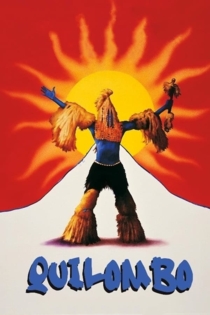
Quilombo dos Palmares was a real-life democratic society, created in Brazil in the 17th century. This incredibly elaborate (and surprisingly little-known) film traces the origins of Quilombo, which began as a community of freed slaves. The colony becomes a safe harbor for other outcasts of the world, including Indians and Jews. Ganga Zumba (Toni Tornado) becomes president of Quilombo, the first freely elected leader in the Western Hemisphere. Naturally, the ruling Portuguese want to subjugate Zumba and his followers, but the Quilombians are ready for their would-be oppressors. The end of this Brave New World is not pleasant, but the followers of Zumba and his ideals take to the hills, where they honor his memory to this day. Writer/director Carlos Diegues takes every available opportunity to compare the rise and fall of Quilombo with the state of affairs in modern-day Brazil.
Quilombo

Vai Trabalhar Vagabundo II: A Volta
Hugo Carvana
Hugo Carvana, Marieta Severo
Exiled in Acapulco, the bon vivant Dino cheats a rich widow into financing his coming back to Brazil. To avoid getting caught, he hides in a coffin. His fake burial is celebrated in high style and it doesn't take long before he starts getting himself into weird situations.
Vai Trabalhar Vagabundo II: A Volta