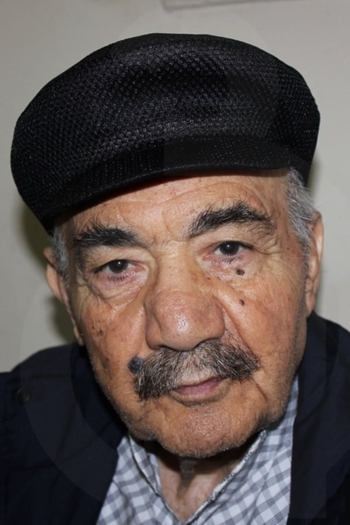
Hakkı Kıvanç
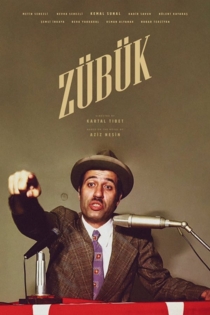
1931 - 2015Zübük
Kartal Tibet
Kemal Sunal, Nevra Serezli
This is the story of the politician named Zübük. He gets expelled from the political party that he is a member of, due to corruption. The journalist Yaşar wants to make a news story about his case and investigates Zübük's doings. Yaşar gets baffled at the sly tricks Zübük played on his village people. In the end, he feels sorry about Zübük's present situation, however, as things happen he becomes aware that Zübük has been tricking him.
Zübük
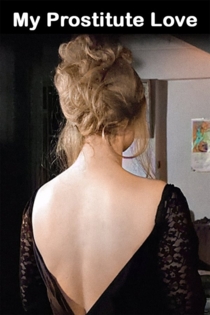
My Prostitute Love
Lütfi Ömer Akad
Türkan Şoray, İzzet Günay
Halil goes to a club with his friends and meets Sabiha, a prostitute, and they fall in love. Two lovers want to escape their past and live together. However, Sabiha knows little about Halil's life, and she has to face some facts.
My Prostitute Love
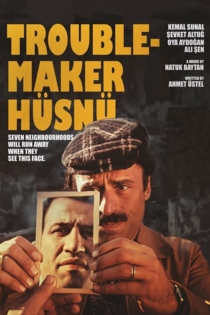
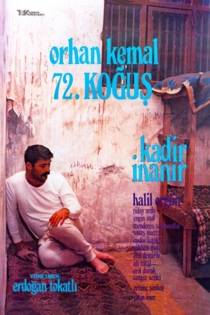
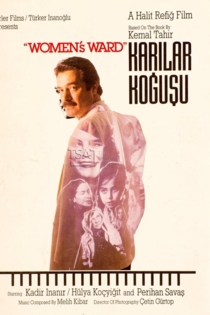
Karılar Koğuşu
Halit Refiğ
Kadir İnanır, Hülya Koçyiğit
Murat is a charismatic political prisoner in Malatya. He is well respected by both inmates and prison officers. There he meets two women: Tozey, a famous prostitute, and Hanim, a defenseless woman accused of murdering her husband.
Women's Ward
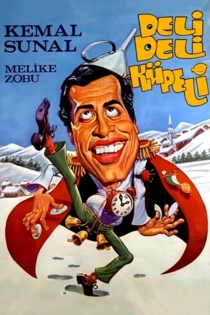
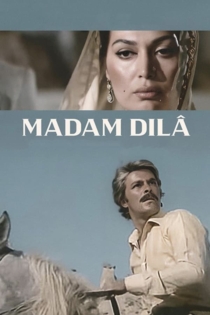
Dila Hanım
Orhan Aksoy
Türkan Şoray, Erol Taş
Madam Dila is the grieving widow of a recently deceased Ağa (feudal landowner) who is hell-bent on wreaking revenge on Rıza, the man who murdered her husband. She sends her men to kill him and then ironically, saves his life because she doesn’t know it’s him.
Madam Dilâ
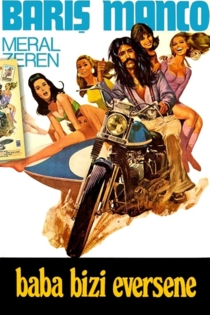
Dad, Make Me Marry
Oksal Pekmezoğlu
Barış Manço, Meral Zeren
A hopelessly yearning hippie is left alone with a newborn baby when his just married parents go for a vacation, but wittily he finds a solution to get back his expatriate girlfriend, utilizing the baby who has no idea what is going on.
Dad, Make Me Marry
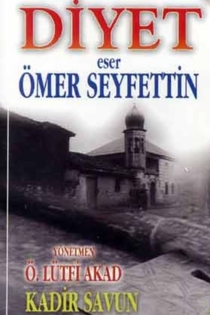
Diyet
Lütfi Ömer Akad
Kadir Savun, Aydemir Akbaş
The film deals with the migration from the village to the city with a realistic narrative. The immigration phenomenon described in workers' hands in a factory refers to both the modernization process in the period and the unionization. Hacer emigrates to Istanbul with his father, two children and his wife. Her husband left her and she was a helpless. Hacer was influenced by the union of the working factory, who owns the crippled friends. Hacer thought very much about to traditions versus modernization. It is the last of the film of director Ömer Lütfi Akad's Bridal-Wedding-Recoup trilogy. And it is still the inaccessible film of Turkish cinema history with its movie theme, cast, and acting success.
Diyet