Wolfgang Winkler
1943 - 2019
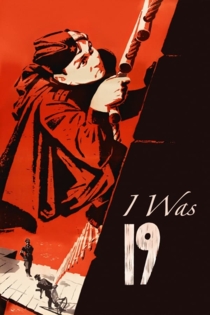
I Was Nineteen
Konrad Wolf
Jaecki Schwarz, Vasiliy Livanov
Gregor is a young soldier entering Germany with the victorious Soviet troops at the end of WWII. But he is also the child of left-wing Germans who fled from Hitler and spent the war in the Soviet Union. As a result, his return to Germany is ambivalent; he finds he is a stranger in his own land. As they enter Germany, Gregor begins to realize that he is different from all his comrades in arms, for this defeated land is his home country, the Germans he meets are his compatriots. He is a victor, but also one of the vanquished. He attempts to understand the Germans he meets along his way, but he is a 19-year-old: inquisitive, occasionally uncomprehending and repeatedly dismayed by the atrocities and lies he encounters.
I Was Nineteen
Darf ich Petruschka zu dir sagen?
Karl-Heinz Heymann
Frank Bey, Hannelore Bey
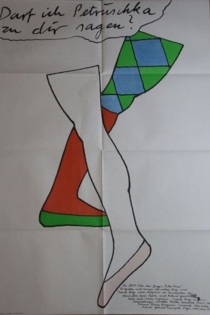
35-year old ballet soloist Peter ends his career as a performance dancer and, on the occasion of his last stage performance, looks back on his career and his life. Peter′s retrospection is centred on the relationship with his professional and romantic partner Lotte, who he had once met at a joint performance. Peter remembers the landmarks of their love: their marriage, their child, and Lotte′s severe illness that threatened to end her career. In flashbacks, the film shows how the couple survived this crisis by working sacrificially to return to the stage and celebrate international success.
Darf ich Petruschka zu dir sagen?
The Rabbit Is Me
Kurt Maetzig
Angelika Waller, Alfred Müller
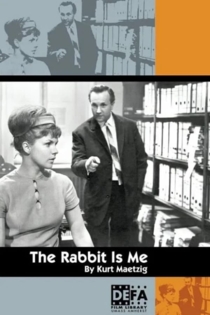
The Rabbit Is Me was made in 1965 to encourage discussion of the democratization of East German society. In it, a young student has an affair with a judge who once sentenced her brother for political reasons; she eventually confronts him with his opportunism and hypocrisy. It is a sardonic portrayal of the German Democratic Republic's judicial system and its social implications. The film was banned by officials as an anti-socialist, pessimistic and revisionist attack on the state. It henceforth lent its name to all the banned films of 1965, which became known as the "Rabbit Films." After its release in 1990, The Rabbit Is Me earned critical praise as one of the most important and courageous works ever made in East Germany. It was screened at The Museum of Modern Art in 2005 as part of the film series Rebels with a Cause: The Cinema of East Germany.
The Rabbit Is Me
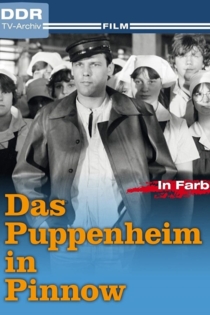
Das Puppenheim in Pinnow
Christian Steinke
Walter Plathe, Petra Fritzenwanker
On the way to the holiday camp, 16-year-old Steffi falls in love with Norbert, whom she has known for a long time from visiting grandfather in Pinnow. She made a quick decision to change her future plans and decided to become a milker, because Norbert is the newly appointed apprentice trainer for livestock farming in Pinnow. The grandfather, who is very happy about Steffi's visit, cannot prevent his granddaughter from making up her mind. Norbert himself was an apprentice in Pinnow and often suffered from the teaching methods of his predecessor. That's why he wants to do it differently.
Das Puppenheim in Pinnow