
Ivica Vidović
1939 - 2011Vučari Gornje i Donje Polače
Zdravko Šotra
Boris Dvornik, Stole Aranđelović
Two groups of men from neighboring villages get into a clash after both of them shot one wolf for the upcoming local festivity called "vucarenje" (wolf assembly), a rural custom typical for Dalmatian Zagora. Their rivalry ends in a tragic way.
Wolf Hunters of Upper and Lower Polaca
Kako je počeo rat na mom otoku
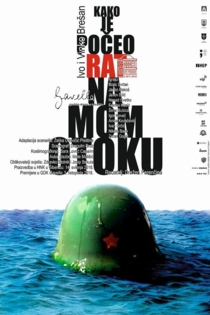
Vinko Brešan
Vlatko Dulić, Ivan Brkić
At the beginning of 1991, Yugoslav army did not acknowledge Croatian's independence, and still holding few military barracks in Croatia. Gajski travels to an island to get his son out of the army. Locals have besieged the barracks and organized a festival to try with singing and recitals to get major Aleksa and his soldiers to surrender, but Aleksa has explosives thru the barracks and wants to blow up the island.
How the War Started on My Island
The Rhythm of Crime
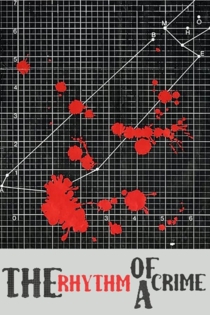
Zoran Tadić
Ivica Vidović, Fabijan Šovagović
Old houses in Zagreb are destroyed in order to build new, bigger blocks. A teacher who lives in one of these houses allows a stranger to share his home with him. The stranger has a fascination with statistics, and claims he can predict crimes based on statistical analyses. When a predicted murder did not occur, the stranger is adamant that the whole town will suffer unless a balance is achieved - and he leaves.
The Rhythm of Crime
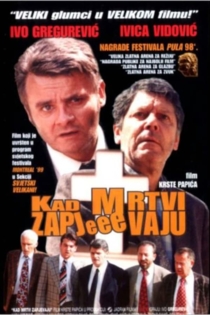
Kad mrtvi zapjevaju
Krsto Papić
Ivo Gregurević, Ivica Vidović
At the beginning of 1990s, two Croatian emigrants, economically minded Cinco and politically minded Marinko, arrive in Croatia from Germany, homesick for their families and hometowns. In order to get a German pension, Cinco pretends to be dead and travels in a coffin. Soon, Marinko joins him because he is running away from an old agent of the Yugoslav State Security Service. On their trip in a motor hearse, Cinco and Marinko face many adventures, which culminate when they are stopped at Serbian barricades close to their destination.
When the Dead Start Singing
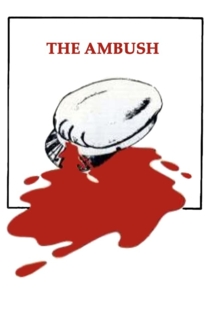
The Ambush
Živojin Pavlović
Ivica Vidović, Milena Dravić
Idealistic young man supports the party and the new Yugoslavia's communist regime, but soon gets involved in various political and criminal machinations becoming more and more confused about what's right and what's wrong.
The Ambush
Svjetsko čudovište
Goran Rušinović
Goran Šušljik, Mirta Haramina
Kingdom of Yugoslavia. As soon as she was born, Stana had both hands bit off by a pig, but she still grows to be good embroiderer. Her beloved brother Toma went into the city, where he's trying to make money by working in the circus. Toma comes to take Stana, promising her a better life in the city. However, she find herself left to the fate of circus act, and her brother eventually sells her to a doctor working on prostheses for disabled. At the same time, with the help of his uncle from the States, Toma tries to pull his cousin Ilija out from jail, a miner imprisoned for his leftist inclinations.
The World's Greatest Monster
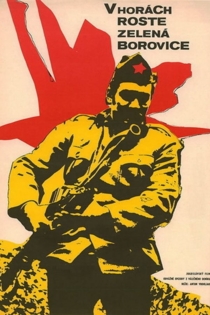
U gori raste zelen bor
Antun Vrdoljak
Boris Dvornik, Ivica Vidović
Communist party commissar Ivica is sent to the lowland village to monitor the local partisan squad. Despite their disagreements he befriends their leader Dikan and they plan to evacuate the chief headquarters. Dikan also sees the opportunity to have his personal revenge on an enemy officer, responsible for death of one of his men.
The Pine Tree in the Mountain
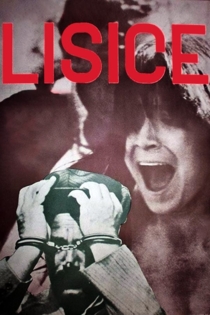
Handcuffs
Krsto Papić
Fabijan Šovagović, Adem Čejvan
Yugoslavia, 1948, the year of Inform Bureau's resolution and Tito's break-up with Stalin. The story takes place during a wedding in the Dalmatian inland in Croatia. Ante marries a much younger woman, Visnja; the groom's godfather is Andrija, the partisan war hero born in this very village, and a member of the new Communist political establishment. Two members of the Yugoslav State Security crash the traditional wedding ceremony. In the growing atmosphere of fear nobody knows who will be arrested.
Handcuffs

Onkraj
Jože Gale
Ivica Vidović, Jasna Andronja
Two stories - two truths are confronting. Former Partisan Miha is trying to tell a shocking story from the war times in the modern day disco club, where young people are having fun in a crazy rhythm of music with alcohol and drugs... Amongst the many issues this film explores are the following questions: Does the desire for pleasure and amusement always gain the upper hand against moral convictions and man's sense of responsibility and guilt? What things are worth sacrificing your life for? Are moral second thoughts and the search for the truth stronger than man's endless search for instant pleasure? Is the experience of war truly that which turns a boy into a man? And does love truly redeem death?
Beyond