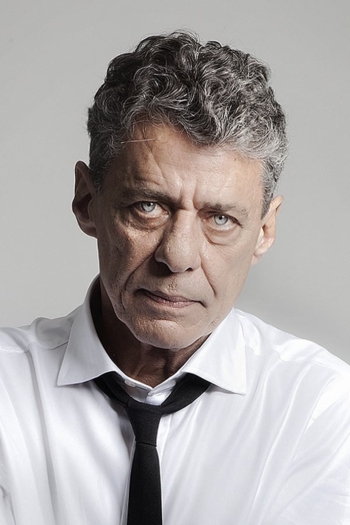
Chico Buarque
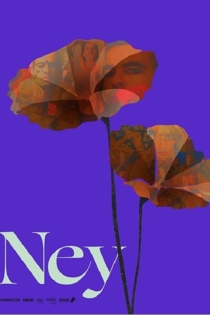
1944 (81 год)Ney - À Flor da Pele
Felipe Nepomuceno
Ney Matogrosso, Milton Nascimento
The impact of Ney Matogrosso's performances on his audience and the reverberation of that impact on Brazilian culture, from the second half of the 20th century to the present. An audiovisual anthology, all composed of archival images. The best way to get to know Ney is to be with him on stage.
Ney - À Flor da Pele
Loki - Arnaldo Baptista
Paulo Henrique Fontenelle
Arnaldo Baptista, Sérgio Dias
Loki brings the trajectory of Arnaldo Baptista from childhood, passing through the most successful phase as leader of the Mutantes, marriage to singer Rita Lee and then separation. He also goes through the depression that devastated his life after the group ended and that led him to attempt suicide, his solo career, rapprochement with his brother and member of the Mutantes, Sérgio Dias, culminating in the band's return in 2006.
Loki: Arnaldo Baptista

Beyond Citizen Kane
Simon Hartog
Leonel Brizola, Chico Buarque
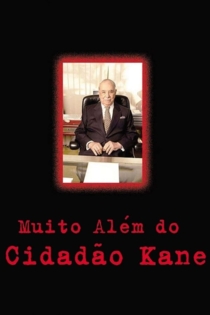
Beyond Citizen Kane (1993) is a British documentary film directed by Simon Hartog, produced by John Ellis, and broadcast on Channel 4. It details the dominant position of the Rede Globo media group in the Brazilian society, discussing the group's influence, power, and political connections.[2] Globo's president and founder Roberto Marinho came in for particular criticism, being compared with fictional newspaper tycoon Charles Foster Kane, created by Orson Welles for the 1941 film Citizen Kane. According to the documentary, Marinho's media group engages in the same Kane wholesale manipulation of news to influence the public opinion.
Beyond Citizen Kane

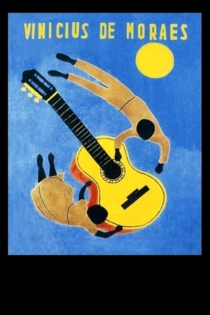
Vinicius
Miguel Faria Jr.
Vinicius de Moraes, Camila Morgado
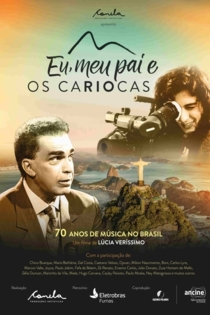
To celebrate the life and the work of a multifaceted creator – playwright, poet, partner of the most important names of Brazilian pop music and, above all, an enlightened character of the Brazilian cultural history - director Miguel Faria Jr. gathered an incomparable cast of partners, singers, friends and rare images from the archives recalling Vinícius’ genial simplicity, with the spontaneity, the humor, and the freedom of a person chatting over a bar table, exactly how the eternal Vinícius would enjoy.
Vinicius de Moraes
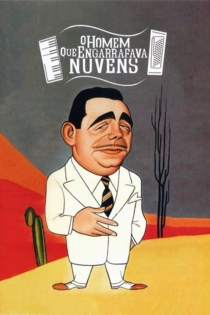
O Homem Que Engarrafava Nuvens
Lírio Ferreira
Caetano Veloso, Maria Bethânia
A host of personalities reminisce about the life and work of songwriter, lawyer, and congressman Humberto Teixeira — aka "Baião Doctor" — the author of such classic Brazilian popular songs as "Asa Branca". A musical film about the baião, a movement in Brazilian music in the 1940s and 1950s that was later snowed under by samba and bossa nova.
The Man Who Bottled Clouds
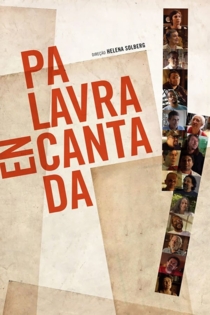
Palavra (En)Cantada
Helena Solberg
Adriana Calcanhotto, Arnaldo Antunes
Palavra (En)Cantada makes a journey in the history of the Brazilian songbook with a look at the relationship between poetry and music, sewing testimonials of great names of our culture, musical performances and amazing research of images.
Palavra (En)Cantada
Máquina do Desejo
Lucas Weglinski, Joaquim Castro
José Celso Martinez Corrêa, Paulo Maluf
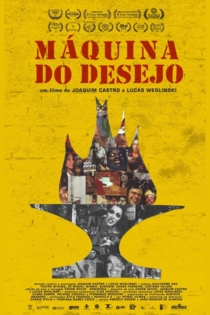
In six decades, Teatro Oficina has done more than revolutionize theatrical language in the country: the aesthetic influence of José Celso Martinez Corrêa's company extends from Tropicalism to the renewal of Brazilian audiovisual languages from the 1960s onwards. The film revisits a story that it involves personalities such as Caetano Veloso, Glauber Rocha, Lina Bo Bardi, Chico Buarque and Zé do Caixão, brings together scenic art, ecology, architecture and sexuality, and mixes art and life in the search for a Brazilian based language.
Desire Machine: 60 Years of Teatro Oficina
Chico - Artista Brasileiro
Miguel Faria Jr.
Chico Buarque, Marília Pêra
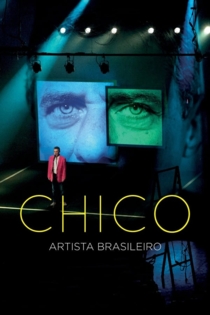
Chico Buarque is a constant presence in Brazil's art scene and makes up its citizen's popular culture. This wealth in music, poems, theater and novels has been created over the last 50 years and in this film Chico Buarque converses about his memories, shows, daily life, work methods, creative process, in summary all his trajectory. The musician’s search for his German brother, whom he never got to meet, serves as one of the axis for the narrative.
Chico - Brazilian Artist
Uma Noite em 67
Renato Terra, Ricardo Calil
Caetano Veloso, Sérgio Ricardo
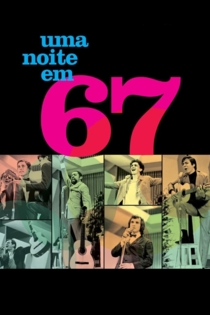
If you thought TV shows in which audiences and juries judge musical acts were a relatively new phenomenon, you'd better think again. In the 1970s, such "festivals" were incredibly popular in Brazil. They were recorded before a live studio audience, and usually featured a number of elimination rounds. They also formed the springboard for the career of many a big-name star, such as Chico Buarque, Caetano Veloso, Roberto Carlos and Gilberto Gil. Appearing on such a program was no cakewalk, however: audiences could be as wild in their condemnation as in their appreciation of an artist. Extensive archive footage (including performances and behind-the-scenes interviews) from a turbulent final of the Festival of Brazilian Popular Music one evening in 1967 paints a fascinating picture, not only of the transformation of Brazilian music into real "festival" music, but also of a society starting to buck against the yoke of military rule.
A Night in 67
Fevereiros
Marcio Debellian
Maria Bethânia, Caetano Veloso
A record on Brazilian samba school Estação Primeira de Mangueira's victory on the 2016 carnaval parade. Mangueira's parade that year was a homage to singer Maria Bethânia. The documentary also follows Bethânia on the celebrations of Our Lady of Purification, in Bahia, northeast of Brazil.
Fevereiros
Semente da Música Brasileira
Patrícia Terra
Teresa Cristina, Roberta Sá
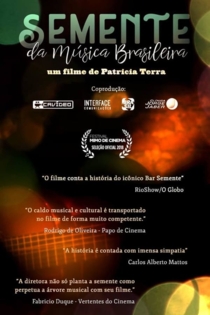
It tells the story of the musicians who revitalized Lapa, from the end of the 90s, in meetings on the small stage of "Bar Semente". The documentary is a historical record of a stronghold of cultural effervescence that remained in the affective memory of Rio de Janeiro.
Semente da Música Brasileira
Another Country
Sérgio Tréfaut
Dominique Issermann, Glauber Rocha
The Portuguese Revolution (1974-75) seen through the eyes of some of the most important photographers and filmmakers that witnessed the event. Their dreams and expectations and what came out of the revolution. With outstanding historical footage.
Another Country