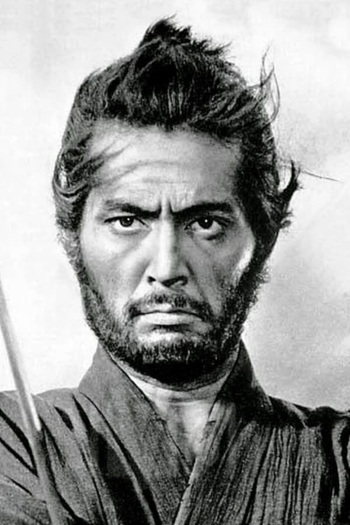
Tatsuya Nakadai
1932 (93 года)Tatsuya Nakadai (仲代 達矢 Nakadai Tatsuya, born Motohisa Nakadai December 13, 1932) is a Japanese leading film actor. He became a star after he was discovered working as a Tokyo shop clerk by filmmaker Masaki Kobayashi during the early 1950s. He became the favorite leading man of internationally-acclaimed director Akira Kurosawa after a well publicized fallout between Kurosawa and the legendary Toshirō Mifune. Beginning in the late 1950s, he worked with a number of Japan's best-known filmmakers, starring or co-starring in five Kurosawa films, along with significant films made by Hiroshi Teshigahara (The Face of Another), Mikio Naruse (When a Woman Ascends the Stairs), Kihachi Okamoto (Kill! and Sword of Doom), Hideo Gosha (Goyokin), Shiro Toyoda (Portrait of Hell) and Kon Ichikawa (Enjo and Odd Obsession). Notably, his long-term collaboration with Masaki Kobayashi invites comparison to the working relationship between Akira Kurosawa and Toshirō Mifune. Nakadai was featured in 11 Kobayashi films including the The Human Condition trilogy, Harakiri, Samurai Rebellion and Kwaidan. The Thick-Walled Room marked Nakadai's acting debut. His next role was a little noticed and uncredited one in Akira Kurosawa's Seven Samurai where he appears for a few seconds as a samurai wandering about town.
Description above from the Wikipedia article Tatsuya Nakadai, licensed under CC-BY-SA, full list of contributors on Wikipedia.

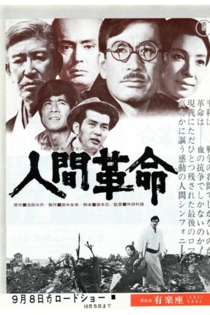
The Human Condition III: A Soldier's Prayer
Masaki Kobayashi
Tatsuya Nakadai, Michiyo Aratama
After the Japanese defeat to the Russians, Kaji leads the last remaining men through Manchuria. Intent on returning to his dear wife and his old life, Kaji faces great odds in a variety of different harrowing circumstances as he and his fellow men sneak behind enemy lines.
The Human Condition III: A Soldier's Prayer

七人の侍
Akira Kurosawa
Toshirō Mifune, Takashi Shimura
A samurai answers a village's request for protection after he falls on hard times. The town needs protection from bandits, so the samurai gathers six others to help him teach the people how to defend themselves, and the villagers provide the soldiers with food.
Seven Samurai

切腹
Masaki Kobayashi
Tatsuya Nakadai, Akira Ishihama
Down-on-his-luck veteran Tsugumo Hanshirō enters the courtyard of the prosperous House of Iyi. Unemployed, and with no family, he hopes to find a place to commit seppuku—and a worthy second to deliver the coup de grâce in his suicide ritual. The senior counselor for the Iyi clan questions the ronin’s resolve and integrity, suspecting Hanshirō of seeking charity rather than an honorable end. What follows is a pair of interlocking stories which lay bare the difference between honor and respect, and promises to examine the legendary foundations of the Samurai code.
Harakiri

人間の條件 第3部望郷篇/第4部戦雲篇
Masaki Kobayashi
Tatsuya Nakadai, Michiyo Aratama
Kaji is sent to the Japanese army labeled Red and is mistreated by the vets. Along his assignment, Kaji witnesses cruelties in the army and revolts against the abusive treatment against the recruit Obara. He also sees his friend Shinjô Ittôhei defecting to the Russian border, and he ends in the front to fight a lost battle against the Russian tanks division.
The Human Condition II: Road to Eternity

The Human Condition I: No Greater Love
Masaki Kobayashi
Tatsuya Nakadai, Michiyo Aratama
After handing in a report on the treatment of Chinese colonial labor, Kaji is offered the post of labor chief at a large mining operation in Manchuria, which also grants him exemption from military service. He accepts, and moves to Manchuria with his newly-wed wife Michiko, but when he tries to put his ideas of more humane treatment into practice, he finds himself at odds with scheming officials, cruel foremen, and the military police.
The Human Condition I: No Greater Love

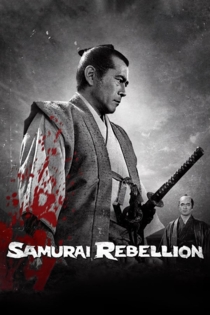
Samurai Rebellion
Masaki Kobayashi
Toshirō Mifune, Yôko Tsukasa
The mother of a feudal lord's only heir is kidnapped away from her husband by the lord. The husband and his samurai father must decide whether to accept the unjust decision, or risk death to get her back.
Samurai Rebellion


用心棒
Akira Kurosawa
Toshirō Mifune, Tatsuya Nakadai
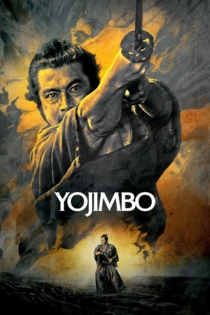
A nameless ronin, or samurai with no master, enters a small village in feudal Japan where two rival businessmen are struggling for control of the local gambling trade. Taking the name Sanjuro Kuwabatake, the ronin convinces both silk merchant Tazaemon and sake merchant Tokuemon to hire him as a personal bodyguard, then artfully sets in motion a full-scale gang war between the two ambitious and unscrupulous men.
Yojimbo
Ran
Akira Kurosawa
Tatsuya Nakadai, Akira Terao
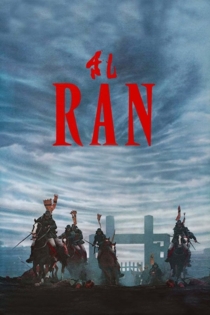
With Ran, legendary director Akira Kurosawa reimagines Shakespeare's King Lear as a singular historical epic set in sixteenth-century Japan. Majestic in scope, the film is Kurosawa's late-life masterpiece, a profound examination of the folly of war and the crumbling of one family under the weight of betrayal, greed, and the insatiable thirst for power.
Ran
Sanjuro
Akira Kurosawa
Toshirō Mifune, Tatsuya Nakadai
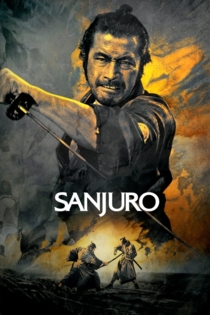
Toshiro Mifune swaggers and snarls to brilliant comic effect in Kurosawa's tightly paced, beautifully composed "Sanjuro." In this companion piece and sequel to "Yojimbo," jaded samurai Sanjuro helps an idealistic group of young warriors weed out their clan's evil influences, and in the process turns their image of a proper samurai on its ear.
Sanjuro
The Tale of the Princess Kaguya
Isao Takahata
Aki Asakura, Kengo Kora
Found inside a shining stalk of bamboo by an old bamboo cutter and his wife, a tiny girl grows rapidly into an exquisite young lady. The mysterious young princess enthrals all who encounter her. But, ultimately, she must confront her fate.
The Tale of The Princess Kaguya