
Ildikó Bánsági
1947 (78 лет)
Mephisto
István Szabó
Klaus Maria Brandauer, Krystyna Janda
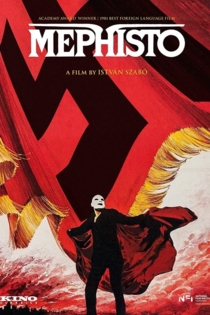
A German stage actor finds unexpected success and mixed blessings in the popularity of his performance in a Faustian play as the Nazis take power in pre-WWII Germany. As his associates and friends flee or are ground under by the Nazi terror, the popularity of his character supercedes his own existence until he finds that his best performance is keeping up appearances for his Nazi patrons.
Mephisto
Szenvedély
György Fehér
Ildikó Bánsági, János Derzsi
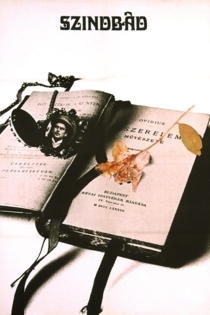
György Fehèr’s aim was to “make a film which is similar to the last salvaged print of a long lost film”. The passions he investigates are centred on primeval fears and cravings and a sense of inescapable doom. Shot in powerful black and white with excellent central performances.
Passion
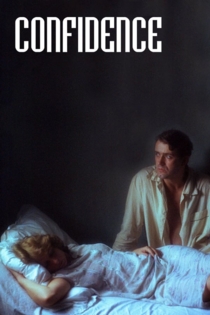
Confidence
István Szabó
Ildikó Bánsági, Péter Andorai
Janos and Kata are thrown together during the Second World War and forced to pose as husband and wife to hide from the Nazis. The intensity and suffocating intimacy of their new relationship and the circumstances in which they find themselves, forces them to confront past prejudices and assumptions and challenge what they truly believe.
Confidence
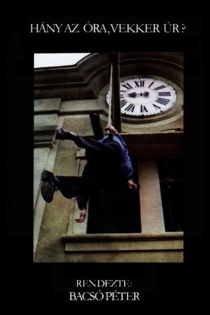
Hány az óra, Vekker úr?
Péter Bacsó
Tamás Jordán, Ferenc Kállai
Even without a clock, the watch-maker of the small country town always knows the exact time to the second, and for this reason he came to be called Mr. Clock. His wife left him, and he only lives for his work. He is just engaged in repairing the tower clock when his wife returns and the German troops appear.
What's the Time, Mr. Clock?
Hanussen
István Szabó
Klaus Maria Brandauer, Erland Josephson
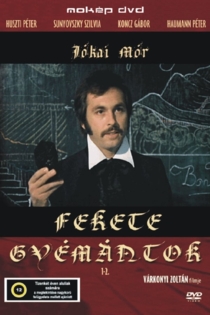
A man's story parallels Hitler's rise. Austrian Klaus Schneider, wounded in World War I, recovers in the care of Dr. Emil Bettleheim. Bettleheim discovers that Schneider possesses powers of empathy and of clairvoyance, such that could aid suicidal patients. After the war, with one friend as his manager and another as his lover, Schneider changes his name to Eric Jan Hanussen and goes to Berlin, as a hypnotist and clairvoyant performing in halls and theaters. He always speaks the truth, which brings him to the attention of powerful Nazis. He predicts their rise (good propaganda for them) and their violence (not so good). He's in pain and at risk. What is Hanussen's future?
Hanussen
Édes Emma, drága Böbe - vázlatok, aktok
István Szabó
Johanna ter Steege, Enikő Börcsök
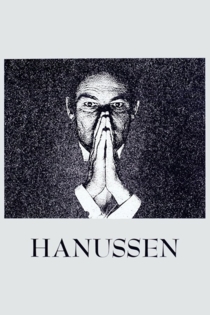
The story shows Emma's and Böbe's fight for survival, for keeping their position in society which they achieved with hard work in the previous regime. They don't want to lose their place and become village girls again.
Dear Emma, Sweet Böbe
Another Way
Károly Makk
Grażyna Szapołowska, Jadwiga Jankowska-Cieślak
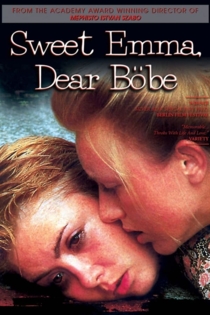
Political and sexual repression in Hungary, just after the revolution of 1956. In 1958, the body of Eva Szalanczky, a political journalist, is discovered near the border. Her friend Livia is in hospital with a broken neck; Livia's husband, Donci, is under arrest. In a flashback to the year before, we see what leads up to the tragedy. Eva gets a job as a writer. She meets Livia and is attracted to her. Livia feels much the same, but as a married woman, has doubts and hesitations. In their work, they (and Eva in particular) bang up against the limits of telling political truths; in private, they confront the limits of living out sexual and emotional truth.
Another Way
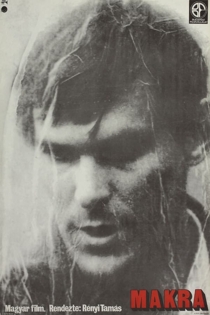
Makra
Tamás Rényi
Juhász Jácint, Mari Csomós
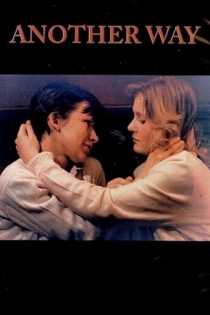
The events of the story take place in the outskirts of working class people in the early nineteen fifties. Makra, a skilled worker in a factory, suddenly comes to close quarters with everything around him because his environment condemns and ridicules him for protecting a woman when his drunk fellows were going to rape her after his bachelor party.
Makra
Children of Glory
Krisztina Goda
Kata Dobó, Iván Fenyő
Children of Glory will commemorate Hungary's heroic Revolution of 1956, and takes place in Budapest and at the Melbourne Olympic Games in October and November of that year. While Soviet tanks were destroying Hungary, the Hungarian water polo team was winning over the Soviets in the Olympic pool in Melbourne, in what has been described as the bloodiest water polo match in history.
Children of Glory