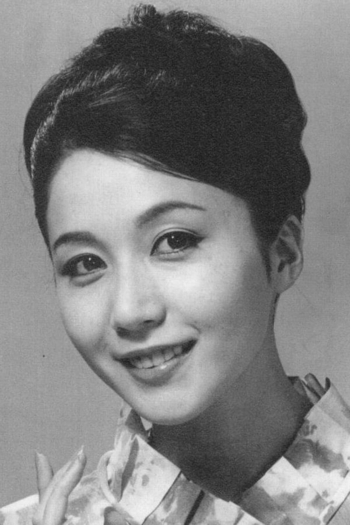
Shima Iwashita
1941 (85 лет)Description above from the Wikipedia article Shima Shinoda, licensed under CC-BY-SA, full list of contributors on Wikipedia
駆逐艦雪風
Tatsuo Yamada
Isamu Nagato, Shima Iwashita
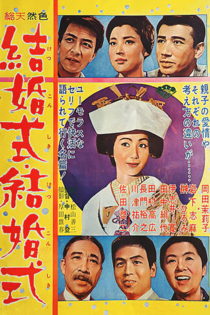
Yutaro Kida, a worker at the Sasebo Naval Arsenal, volunteers for the navy but finds himself a cook's mate in the galley of a gunboat. But his dream is eventually realized when he is transferred to the new and powerful destroyer Yukikaze which he helped to build. When the Pacific War breaks out Yukikaze performs valiantly in the South Pacific, and while on shore leave, Kida meets and falls in love with Yukiko, younger sister of his commander.
Destroyer Yukikaze
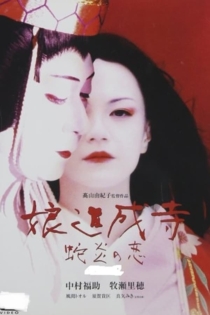
真昼の罠
Mitsuo Yagi
Isao Sasaki, Shima Iwashita
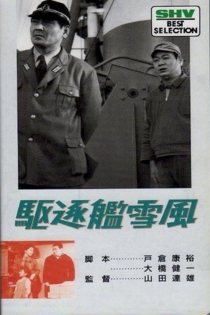
On his way to Tokyo one night, a truck driver picks up a country girl and has his way with her amidst a forest. A few days later he loses his job after a run-in with some punks, but is offered a job by a gangster impressed by his fighting skills. He tries to make amends with the girl he ravished, but becomes caught up in the ways of the underworld...
Mahiru no wana

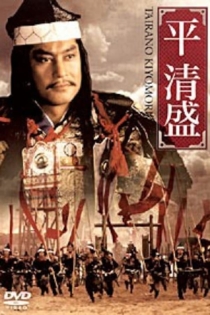
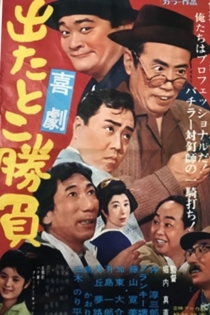
切腹
Masaki Kobayashi
Tatsuya Nakadai, Akira Ishihama
Down-on-his-luck veteran Tsugumo Hanshirō enters the courtyard of the prosperous House of Iyi. Unemployed, and with no family, he hopes to find a place to commit seppuku—and a worthy second to deliver the coup de grâce in his suicide ritual. The senior counselor for the Iyi clan questions the ronin’s resolve and integrity, suspecting Hanshirō of seeking charity rather than an honorable end. What follows is a pair of interlocking stories which lay bare the difference between honor and respect, and promises to examine the legendary foundations of the Samurai code.
Harakiri

祇園祭
Daisuke Itō, Tetsuya Yamanouchi
Kinnosuke Nakamura, Toshirō Mifune
Shinkichi, a peasant employed as a cloth-dyer, has a dream: in the midst of the civil war which ravages Japan, he hopes to revive the long-banned custom of the Kyoto Gion Festival, and by doing so, bring together the warring clans and rampaging brigands in peaceful celebration.
The Day the Sun Rose

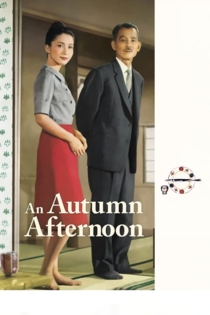
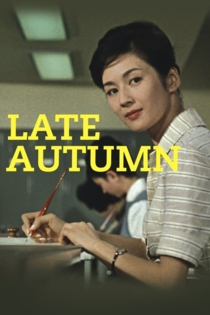
Double Suicide
Masahiro Shinoda
Kichiemon Nakamura, Shima Iwashita
Successful and married with children, paper-mill owner Jihei knows better than to contradict the strict social and moral codes of 18th-century Japan. But when he meets the lovely courtesan Koharu, he becomes a man obsessed. Koharu returns his love, even foregoing other customers while Jihei schemes to somehow buy her freedom. His efforts yield ruinous consequences for his business and his family life, and Koharu is meanwhile purchased by another client.
Double Suicide
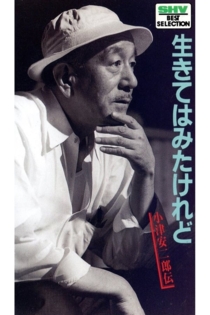
生きてはみたけれど・小津安二郎伝
Kazuo Inoue
Keiko Kishi, Yôko Tsukasa
An extremely lovely tribute to Ozu, on the 20th anniversary of his death. It uses a combination of footage from vintage films and new material (both interviews and Ozu-related locations) shot by Ozu's long-time camera-man (who came out of retirement to work on this). Surprisingly (or perhaps not), it focuses less on Ozu's accomplishments as a film-maker than on his impact on the lives of the people he worked with..
I Lived, But...
獣の剣
Hideo Gosha
Mikijiro Hira, Gō Katō
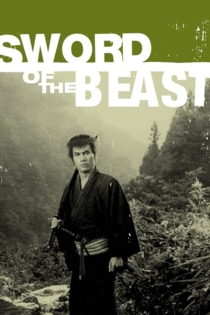
Legendary swordplay filmmaker Hideo Gosha's Sword of the Beast chronicles the flight of the low-level swordsman Gennosuke, who kills one of his ministers as part of a reform plot. His former comrades then turn on him, and this betrayal so shakes his sense of honor that he decides to live in the wild, like an animal. There he joins up with a motley group who are illegally mining the shogun’s gold, and, with the aid of another swordsman, gets a chance not just at survival but to recover his name and honor.
Sword of the Beast