Tokie Hidari
2021
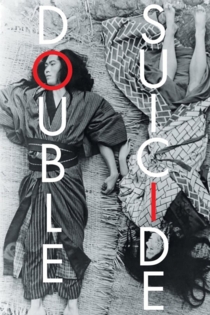
Double Suicide
Masahiro Shinoda
Kichiemon Nakamura, Shima Iwashita
Successful and married with children, paper-mill owner Jihei knows better than to contradict the strict social and moral codes of 18th-century Japan. But when he meets the lovely courtesan Koharu, he becomes a man obsessed. Koharu returns his love, even foregoing other customers while Jihei schemes to somehow buy her freedom. His efforts yield ruinous consequences for his business and his family life, and Koharu is meanwhile purchased by another client.
Double Suicide
Ponyo
Hayao Miyazaki
Yuria Nara, Hiroki Doi
When Sosuke, a young boy who lives on a clifftop overlooking the sea, rescues a stranded goldfish named Ponyo, he discovers more than he bargained for. Ponyo is a curious, energetic young creature who yearns to be human, but even as she causes chaos around the house, her father, a powerful sorcerer, schemes to return Ponyo to the sea.
Ponyo

Kabei: Our Mother
Yoji Yamada
Mirai Shida, Tadanobu Asano
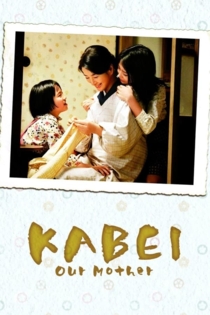
Set in Tokyo in 1940, the peaceful life of the Nogami Family suddenly changes when the father, Shigeru, is arrested and accused of being a Communist. His wife Kayo works frantically from morning to night to maintain the household and bring up her two daughters with the support of Shigeru's sister Hisako and Shigeru's ex-student Yamazaki, but her husband does not return. WWII breaks out and casts dark shadows on the entire country, but Kayo still tries to keep her cheerful determination, and sustain the family with her love. This is an emotional drama of a mother and an eternal message for peace.
Kabei: Our Mother
Love Letter
Tatsumi Kumashiro
Kenichi Hagiwara, Mitsuko Baisho
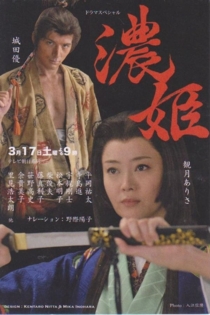
A drama depicting the conflict between a man that ran to an old lover suffering from advanced leukemia, his wife and child that were left behind, and the friendship that develops between his wife and his former lover.
Love Letter
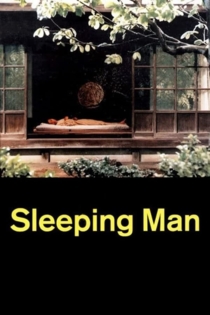
美しい夏キリシマ
Kazuo Kuroki
Tasuku Emoto, Yoshio Harada
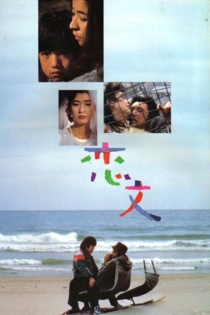
Commencing well-respected Nippon director Kazuo Kuroki's sixth decade behind the camera, "A Boy's Summer in 1945" (literally "A Beautiful Summer in Kirishima") is a lyric, novelistic drama set in the countryside in the last days before Japan's surrender ending WWII. Striking a welcome retro note in its languid pacing and delicate handling of seriocomic ensemble threads, handsome production is a natural for fests. It might also prove a cornerstone for retrospectives or ancillary releases of works by a helmer ("Preparation of the Festival," "Ronin-gai") who's long been appreciated at home but has won just limited attention abroad.
A Boy's Summer in 1945
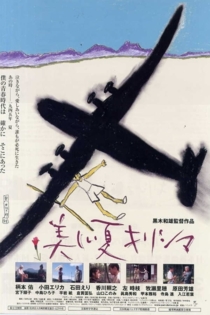
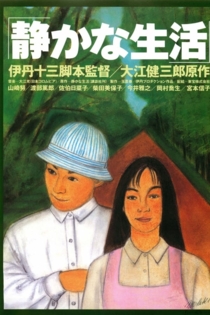
LOVE まさお君が行く!
Kentaro Otani
Shingo Katori, Ryoko Hirosue
Go, Masao! describes the relationship between people and their dogs. Comedian Hideki Matsumoto and a labrador retriever named Masao are selected to appear on the travel corner segment of a TV animal program. Until Hideki Matsumoto and the labrador retriever Masao become popular, they help each other.
Go, Masao!

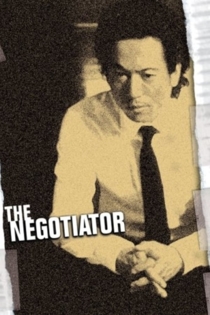
交渉人
Takashi Miike
Hiroshi Mikami, Mayu Tsuruta
After a convenience store robbery, three unidentified men hold a group of people hostage in a hospital. Inspector Ishida and Captain Tohno handle the negotiations while one of their colleagues, Lt. Ando, tries to find out why the men decided to take the hospital hostage. Through flashbacks, relevant information is revealed to the audience. When the negotiations are finished, most things seem to be fine until they lose track of the criminals. Then, the story unveils from a different perspective, its roots in feelings of love and vengeance.
The Negotiator
大病人
Juzo Itami
Rentaro Mikuni, Masahiko Tsugawa
A successful Japanese movie director in his sixties becomes increasingly ill while working on his latest film. Though his family, friends, and doctor try to keep the secret of his terminal cancer from him, Buhei gradually comes to realize the truth of his condition, leading him on a journey of despair, anger, and – ultimately – acceptance.
The Last Dance

夢千代日記
Kirio Urayama
Sayuri Yoshinaga, Yûko Natori
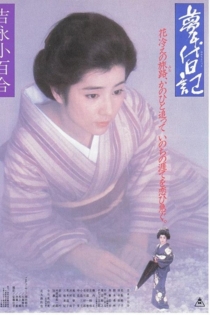
Yumechiyo, a geisha house madam recently diagnosed with a terminal illness, yearns to do something constructive with the little time she has left. Through her responsibility lies in taking care of her girls, she finds purpose in providing a man innocent of a false murder charge and in the process discovers love for the first time in his arms.
Yume-Chiyo