Jordan
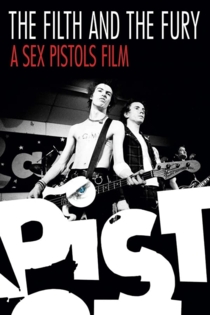
1955 (70 лет)The Filth and the Fury
Julien Temple
John Lydon, Steve Jones
Julien Temple's second documentary profiling punk rock pioneers the Sex Pistols is an enlightening, entertaining trip back to a time when the punk movement was just discovering itself. Featuring archival footage, never-before-seen performances, rehearsals, and recording sessions as well as interviews with group members who lived to tell the tale--including the one and only John Lydon (aka Johnny Rotten).
The Filth and the Fury
Jordan's Dance
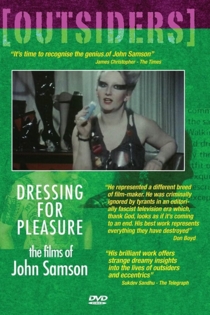
Derek Jarman
Jordan
This film was shot on Super-8 by Derek Jarman in 1977 and is considered to be the inspiration for Jubilee. Jarman often showed his films silent or with different musical accompaniment - one of Jarman's suggestions was Brahms' "Violin Concerto."
Jordan's Dance

The Great Rock 'n' Roll Swindle
Julien Temple
Malcolm McLaren, Steve Jones
A rather incoherent post-breakup Sex Pistols "documentary", told from the point of view of Pistols manager Malcolm McLaren, whose (arguable) position is that the Sex Pistols in particular and punk rock in general were an elaborate scam perpetrated by him in order to make "a million pounds."
The Great Rock 'n' Roll Swindle

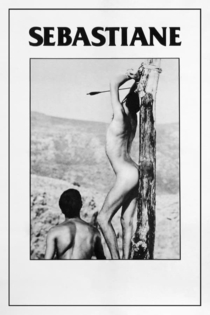
Sebastiane
Derek Jarman, Paul Humfress
Leonardo Treviglio, Barney James
Rome, AD 303. Emperor Diocletian demotes his favourite, Sebastian, from captain of the palace guard to the rank of common soldier and banishes him to a remote coastal outpost where his fellow soldiers, weakened by their desires, turn to homosexual activities to satisfy their needs. Sebastian becomes the target of lust for the officer Severus, but repeatedly rejects the man's advances. Castigated for his Christian faith, he is tortured, humiliated and ultimately killed.
Sebastiane

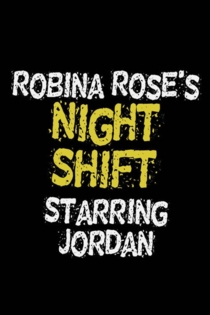
Nightshift
Robina Rose
Jordan, Anna Rees-Mogg
It is night and, in the foyer of a small hotel, a receptionist performs her tasks, unhurried and impassive, her face ghost-white, an emotional mask. Like the camera, she gazes steadily, both silent spectator and vicarious participant in the fantasies played out by the hotel's transient guests. As the night progresses, she answers a phone, hands over a key; guests pass back and forth gradually taking on a dream-like presence. She continues to work and, when morning comes, she leaves, her nightshift over. 'NIGHTSHIFT shows what film can do if the conventional pace of narrative is slowed down and montage diminished. It is not a new idea, of course, but the way it is done here is both absorbing to look at and satisfying from the moral point of view.' (Jill Forbes, Monthly Film Bulletin)
Nightshift