Louis Armstrong
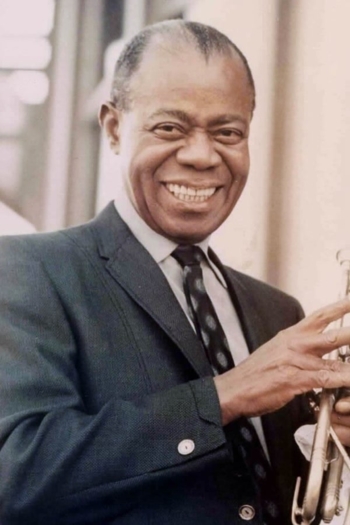
1901 - 1971Coming to prominence in the 1920s as an "inventive" cornet and trumpet player, Armstrong was a foundational influence in jazz, shifting the music's focus from collective improvisation to solo performance.
With his instantly recognizable deep and distinctive gravelly voice, Armstrong was also an influential singer, demonstrating great dexterity as an improviser, bending the lyrics and melody of a song for expressive purposes. He was also greatly skilled at scat singing, vocalizing using sounds and syllables instead of actual lyrics.
Renowned for his charismatic stage presence and voice almost as much as for his trumpet-playing, Armstrong's influence extends well beyond jazz music, and by the end of his career in the 1960s, he was widely regarded as a profound influence on popular music in general.
Armstrong was one of the first truly popular African-American entertainers to "cross over," whose skin-color was secondary to his amazing talent in an America that was severely racially divided. It allowed him socially acceptable access to the upper echelons of American society that were highly restricted for a person of color. While he rarely publicly politicized his race, often to the dismay of fellow African-Americans, he was privately a huge supporter of the Civil Rights movement in America.
Description above from the Wikipedia article Louis Armstrong, licensed under CC-BY-SA, full list of contributors on Wikipedia

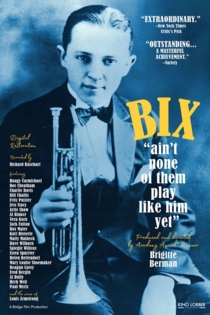
Bix: Ain't None of Them Play Like Him Yet
Brigitte Berman
Louis Armstrong, Richard Basehart
Through interviews, archival footage, photos and classic tunes, learn about the remarkable career and troubled life of legendary jazz cornetist Bix Beiderbecke, who influenced countless musicians before alcoholism lead to his premature death. Close friends and associates such as Hoagy Carmichael, Charlie David and Louis Armstrong share their memories of Bix's abilities, playing style and personality.
Bix: Ain't None of Them Play Like Him Yet
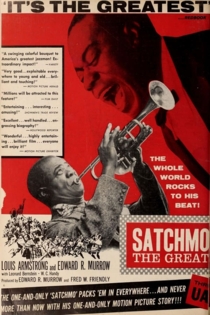
Satchmo the Great
Louis Armstrong, Leonard Bernstein
In this 1957 biography film of the jazz-great Louis "Satchmo" Armstrong, he and his band tour the world as American good-will ambassadors bring jazz at its best to the people of the world. Within the film, the life of Louis Armstrong is portrayed through the music. One of the outstanding scenes in this "biography/docudrama" shows blind songwriter W. C. Handy, with tears streaming down his face, as Armstrong, backed by Leonard Bernstein leading the New York Philharmonic Orchestra, play Handy's immortal "St. Louis Blues."
Satchmo the Great
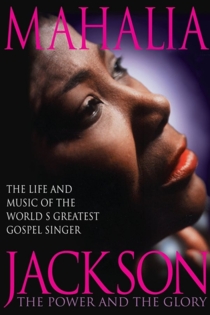
Mahalia Jackson: The Power and the Glory
Jeff Scheftel
Mahalia Jackson, Jesse Jackson
Documentary narrated by Paul Winfield, this documentary follows the course of Mahalia Jackson's extraordinary life - from her humble beginnings as a sickly child singing in New Orleans churches to her breakthrough with Columbia Records and her ascendancy to Carnegie Hall and Europe's great stages. Her story's told through archival footage and interviews with those who knew her best.
Mahalia Jackson: The Power and the Glory
Satchmo: The Life of Louis Armstrong
Kendrick Simmons, Gary Giddins
Louis Armstrong, Hattie Winston
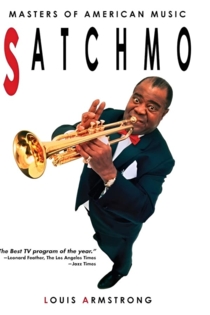
Satchmo. Theer are few people in this country - or around the world - who will not recognize that name. Louis Armstrong embodied twentieth-century American culture. He revolutionized the world of music and became one of the nation's most influential entertainers. No other performer of his era has such a profound effect as a singer as well as an instrumentalist.
Satchmo: The Life of Louis Armstrong
Jazz on a Summer's Day
Bert Stern, Aram Avakian
Louis Armstrong, Mahalia Jackson
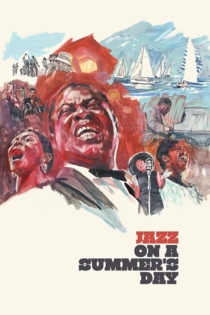
Set at the Newport jazz festival in 1958, this documentary mixes images of water and the town with performers and audience. The film progresses from day to night and from improvisational music to Gospel. It's a concert film that suggests peace and leisure, jazz at a particular time and place.
Jazz on a Summer's Day
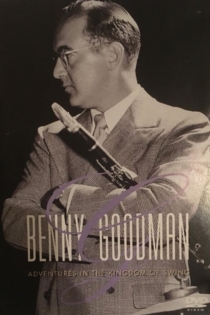
Benny Goodman - Adventures In The Kingdom Of Swing
Oren Jacoby
Benny Goodman, Louis Armstrong
This biography of musical legend Benny Goodman contains testimonials from various contemporaries and scholars, and offers several clips of the man in performance. Nearly two-dozen songs can be heard including "California, Here I Come," "A Fine Romance," "Why Don't You Do Right," "I've Got a Heart Full of Music," and "Bugle Cal Rag."
Benny Goodman - Adventures In The Kingdom Of Swing
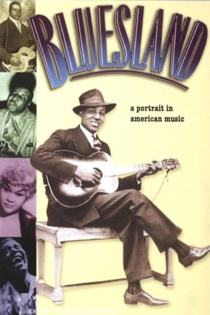
Bluesland: A Portrait in American Music
Ken Mandel
Keith David, Robert Palmer
Blues as a genre shaped the sound of jazz in the early 20th century and directly led to the creation of rock 'n' roll in the '50s. The scales, chords, and progressions of blues as a musical form can be found in styles from jazz to rock to contemporary R&B.
Bluesland: A Portrait in American Music
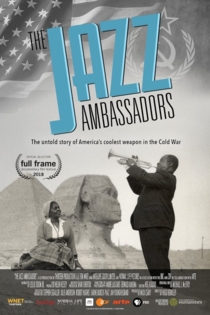
The Jazz Ambassadors
Hugo Berkeley
Leslie Odom Jr., Quincy Jones
The Cold War and Civil Rights collide in this remarkable story of music, diplomacy and race. Beginning in 1955, when America asked its greatest jazz artists to travel the world as cultural ambassadors, Louis Armstrong, Dizzy Gillespie, Duke Ellington and their mixed-race band members, faced a painful dilemma: how could they represent a country that still practiced Jim Crow segregation?
The Jazz Ambassadors