Michiyo Aratama
1930 - 2001Michiyo Aratama (新珠 三千代, Aratama Michiyo, 15 January 1930 – 17 March 2001) was a Japanese actress who appeared in leading and supporting roles in such films as Hiroshi Inagaki's Chushingura, Kihachi Okamoto's Samurai Assassin and Sword of Doom, and Masaki Kobayashi's Kwaidan, Hymn to a Tired Man and The Human Condition trilogy.
Description above from the Wikipedia article Michiyo Aratama, licensed under CC-BY-SA, full list of contributors on Wikipedia.
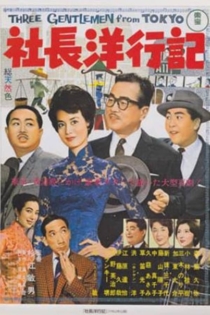
社長洋行記
Toshio Sugie
Hisaya Morishige, Keiju Kobayashi
19-й фильм из комедийного цикла «Президент компании». В этой комедии показана повседневная жизнь общества сарариманов (офисных служащих в Японии). Сёдзи, производитель женского нижнего белья, начал реализацию плана по предотвращению въезда в Токио соперника из Кансая Сакуры Сокая.
Three Gentlemen from Tokyo
惜春
Noboru Nakamura
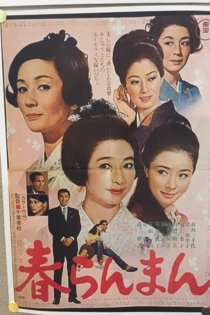
Michiyo Aratama, Yoshiko Kayama
When a gifted Japanese craftsmen dies, his three daughters are summoned to decide who will take over the family ribbon business in this family drama. Only one daughter cares to carry on her father's work, but she is met with resistance from her stepmother. One sister cares nothing for the artisan tradition, while the other is an icy opportunist whose only love is for money. It is the daughter who cares the most for her father's work who wanders away in a symbolic journey of self discovery.
Three Faces of Love

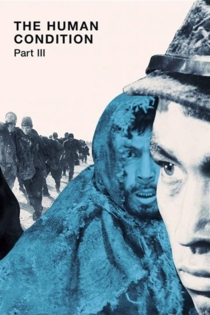
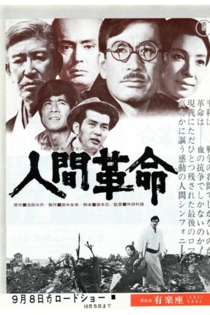
The Human Condition III: A Soldier's Prayer
Masaki Kobayashi
Tatsuya Nakadai, Michiyo Aratama
After the Japanese defeat to the Russians, Kaji leads the last remaining men through Manchuria. Intent on returning to his dear wife and his old life, Kaji faces great odds in a variety of different harrowing circumstances as he and his fellow men sneak behind enemy lines.
The Human Condition III: A Soldier's Prayer
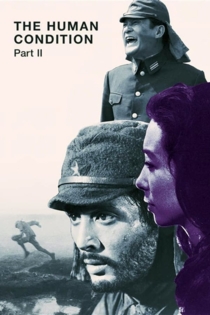
人間の條件 第3部望郷篇/第4部戦雲篇
Masaki Kobayashi
Tatsuya Nakadai, Michiyo Aratama
Kaji is sent to the Japanese army labeled Red and is mistreated by the vets. Along his assignment, Kaji witnesses cruelties in the army and revolts against the abusive treatment against the recruit Obara. He also sees his friend Shinjô Ittôhei defecting to the Russian border, and he ends in the front to fight a lost battle against the Russian tanks division.
The Human Condition II: Road to Eternity
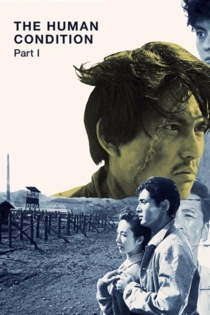
The Human Condition I: No Greater Love
Masaki Kobayashi
Tatsuya Nakadai, Michiyo Aratama
After handing in a report on the treatment of Chinese colonial labor, Kaji is offered the post of labor chief at a large mining operation in Manchuria, which also grants him exemption from military service. He accepts, and moves to Manchuria with his newly-wed wife Michiko, but when he tries to put his ideas of more humane treatment into practice, he finds himself at odds with scheming officials, cruel foremen, and the military police.
The Human Condition I: No Greater Love
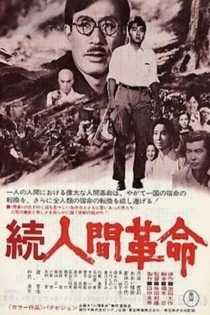
Kwaidan
Masaki Kobayashi
Michiyo Aratama, Misako Watanabe
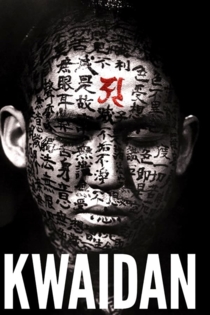
Taking its title from an archaic Japanese word meaning "ghost story," this anthology adapts four folk tales. A penniless samurai marries for money with tragic results. A man stranded in a blizzard is saved by Yuki the Snow Maiden, but his rescue comes at a cost. Blind musician Hoichi is forced to perform for an audience of ghosts. An author relates the story of a samurai who sees another warrior's reflection in his teacup.
Kwaidan
Aru heishi no kake
Keith Larsen
Yûjirô Ishihara, Frank Sinatra Jr.
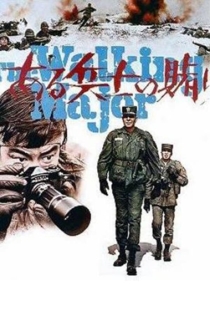
U.S. Army Captain Clark Allen gains attention by walking back and forth, the length of Japan, gambling with U.S. servicemen in order to raise funds to rebuild an orphanage. Suspicious of Allen's motives, a Japanese newsman, Hiroshi Kitabayashi, traces the American's background until he discovers the motive behind Allen's long walk.
The Walking Major

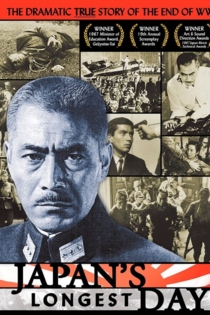
Japan's Longest Day
Kihachi Okamoto
Seiji Miyaguchi, Rokkō Toura
Following the detonation of the atomic bombs on Hiroshima and Nagasaki, the Japanese military and the government clash over the demand from the Allies for unconditional surrender. Minister of the Army Anami leads the military officers who propose to fight on, even to the death of every Japanese citizen. Emperor Hirohito, however, joins with his ministers in asking the unthinkable, the peaceful surrender of Japan. When the military plots a coup to overthrow the Emperor's civilian government, Anami must face the choice between his desires and loyalty to his Emperor.
Japan's Longest Day
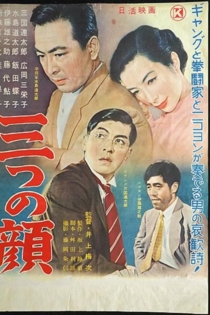
三つの顔
Umetsugu Inoue
Rentaro Mikuni, Michiyo Aratama
Five years have passed since the three comrades who saved their lives on the Burma Campaign-Kenichiro Kishi, Eiji Shiga, and Daizo Kobayashi promised to meet again five years later at the platform of Shinagawa Station, which was crowded with repatriates. , The day of reunion is approaching.
Three Faces
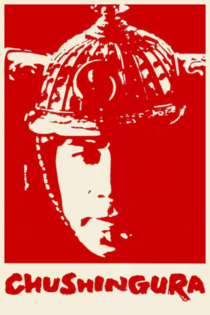
47 Ronin
Hiroshi Inagaki
Toshirō Mifune, Takashi Shimura
The story tells of a group of samurai who were left leaderless (becoming ronin) after their daimyo (feudal lord) was forced to commit seppuku (ritual suicide) for assaulting a court official named Kira Yoshinaka, whose title was Kōzuke no suke. The ronin avenged their master's honor after patiently waiting and planning for over a year to kill Kira. In turn, the ronin were themselves forced to commit seppuku for committing the crime of murder.
47 Ronin