Arthur O'Connell
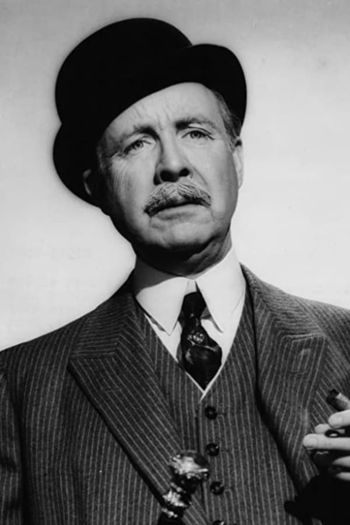
1908 - 1981A veteran vaudevillian, O'Connell, from New York City, made his legitimate stage debut in the mid 1930s, at which time he fell within the orbit of Orson Welles' Mercury Theatre. Welles cast O'Connell in the tiny role of a reporter in the closing scenes of Citizen Kane (1941), a film often referred to as O'Connell's film debut, though in fact he had already appeared in Freshman Year (1939) and had costarred in two Leon Errol short subjects as Leon's conniving brother-in-law.
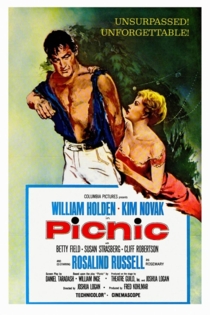
After numerous small movie parts, O'Connell returned to Broadway, where he appeared as the erstwhile middle-aged swain of a spinsterish schoolteacher in Picnic - a role he'd recreate in the 1956 film version, earning an Oscar nomination in the process. Later the jaded looking O'Connell was frequently cast as fortyish losers and alcoholics; in the latter capacity he appeared as James Stewart's boozy attorney mentor in Anatomy of a Murder (1959), and the result was another Oscar nomination. In 1962 O'Connell portrayed the father of Elvis Presley's character in the motion picture Follow That Dream, and in 1964 in the Presley-picture Kissin' Cousins.
O'Connell continued appearing in choice character parts on both TV and films during the 1960s, but avoided a regular television series, holding out until he could be assured top billing. He appeared as Joseph Baylor in the 1964 episode "A Little Anger Is a Good Thing" on the ABC medical drama about psychiatry, Breaking Point. The actor accepted the part of a man who discovers that his 99-year-old father has been frozen in an iceberg on the 1967 sitcom The Second Hundred Years, assuming he'd be billed first per the producers' agreement. Instead, top billing went to newcomer Monte Markham in the dual role of O'Connell's father and his son. O'Connell accepted the demotion to second billing as well as could be expected, but he never again trusted the word of any Hollywood executive.
Ill health forced O'Connell to significantly reduce his acting appearances in the mid '70s, but the actor stayed busy as a commercial spokesman, a friendly pharmacist who was a spokesperson for Crest toothpaste. At the time of his death from Alzheimer's disease in California in May 1981, O'Connell was appearing solely in these commercials, by his own choice.
O'Connell was buried in Calvary Cemetery, Queens, New York.
Description above from the Wikipedia article Arthur O'Connell, licensed under CC-BY-SA, full list of contributors on Wikipedia.
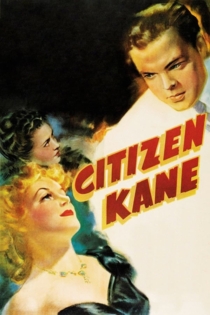
Citizen Kane
Orson Welles
Orson Welles, Joseph Cotten
Newspaper magnate, Charles Foster Kane is taken from his mother as a boy and made the ward of a rich industrialist. As a result, every well-meaning, tyrannical or self-destructive move he makes for the rest of his life appears in some way to be a reaction to that deeply wounding event.
Citizen Kane
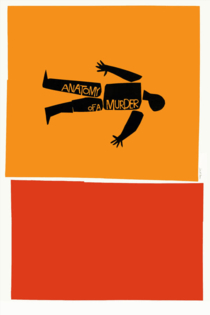
Anatomy of a Murder
Otto Preminger
James Stewart, Lee Remick
Semi-retired Michigan lawyer Paul Biegler takes the case of Army Lt. Manion, who murdered a local innkeeper after his wife claimed that he raped her. Over the course of an extensive trial, Biegler parries with District Attorney Lodwick and out-of-town prosecutor Claude Dancer to set his client free, but his case rests on the victim's mysterious business partner, who's hiding a dark secret.
Anatomy of a Murder
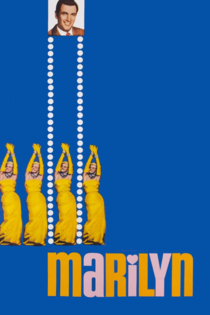
Marilyn
Henry Koster, Harold Medford
Rock Hudson, Marilyn Monroe
This 1963 documentary, released less than a year after Marilyn Monroe's death, showcases the star in memorable scenes from her 20th Century Fox films, including wardrobe tests and clips from her last, uncompleted project, "Something's Got To Give". Hosted and narrated by Rock Hudson.
Marilyn
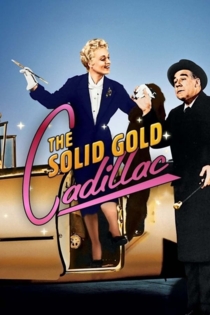
The Solid Gold Cadillac
Richard Quine
Judy Holliday, Paul Douglas
Laura Partridge is a very enthusiastic small stockholder of 10 shares in International Projects, a large corporation based in New York. She attends her first stockholder meeting ready to question the board of directors from their salaries to their operations.
The Solid Gold Cadillac
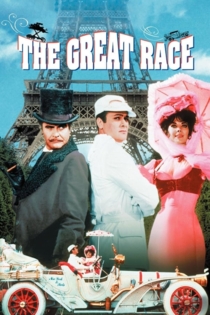
The Great Race
Blake Edwards
Jack Lemmon, Tony Curtis
Professional daredevil and white-suited hero, The Great Leslie, convinces turn-of-the-century auto makers that a race from New York to Paris (westward across America, the Bering Straight and Russia) will help to promote automobile sales. Leslie's arch-rival, the mustached and black-attired Professor Fate vows to beat Leslie to the finish line in a car of Fate's own invention.
The Great Race
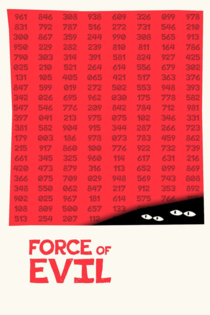
Force of Evil
Abraham Polonsky
John Garfield, Thomas Gomez
Lawyer Joe Morse wants to consolidate all the small-time numbers racket operators into one big powerful operation. But his elder brother Leo is one of these small-time operators who wants to stay that way, preferring not to deal with the gangsters who dominate the big-time.
Force of Evil
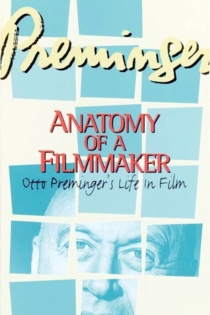
Preminger: Anatomy of a Filmmaker
Valerie A. Robins
Otto Preminger, Burgess Meredith
This documentary, hosted by actor Burgess Meredith, explores the life and career of movie director Otto Preminger, whose body of work includes such memorable films as Anatomy of a Murder, Exodus, Laura, Forever Amber, Advise and Consent, In Harm's Way, The Moon Is Blue, The Man with the Golden Arm, and many other movies made from the '30s through the '70s. Interviews with actors Frank Sinatra, Vincent Price, James Stewart, Michael Caine, and others who worked with the flamboyant and sometimes control-obsessed director add information and insight to the story.
Preminger: Anatomy of a Filmmaker
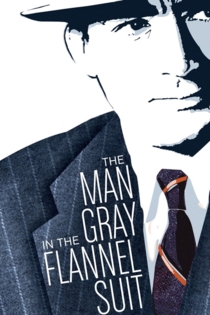
The Man in the Gray Flannel Suit
Nunnally Johnson
Gregory Peck, Jennifer Jones
Tom Rath is a suburban father and husband haunted by his memories of World War II, including a wartime romance with Italian village girl Maria, which resulted in an illegitimate son he's never seen. Pressed by his unhappy wife to get a higher-paying job, Rath goes to work as a public relations man for television network president Ralph Hopkins. Drawn into poisonous office politics, Tom finds he must choose his career or his family.
The Man in the Gray Flannel Suit