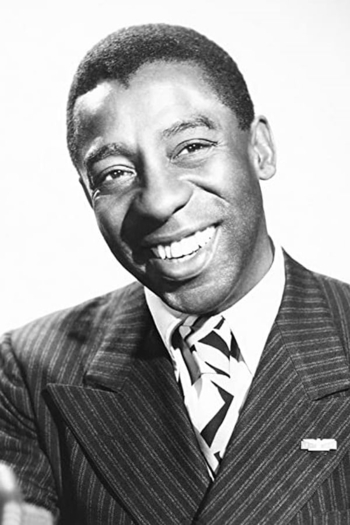
Clarence Muse
1889 - 1979Clarence Muse (October 14, 1889 – October 13, 1979) was an American actor, screenwriter, director, composer, and lawyer. He was inducted in the Black Filmmakers Hall of Fame in 1973. Muse was the first Negro to "star" in a film. He acted for more than sixty years appearing in more than 150 movies.
Born in Baltimore, Maryland, the son of Alexander and Mary Muse, he studied at Dickinson College, Carlisle, Pennsylvania, and received an international law degree in 1911. He was acting in New York by the 1920s, during the Harlem Renaissance with two Harlem theatres, Lincoln Players and Lafayette Players.
Muse moved to Chicago for a while, and then moved to Hollywood and performed in Hearts in Dixie (1929), the first all-black movie. For the next fifty years, he worked regularly in minor and major roles. While with the Lafayette Players, Muse worked under the management of producer Robert Levy on productions that helped black actors to gain prominence and respect. In regards to the Lafayette Theatre's staging of Dr. Jekyll and Mr. Hyde, Muse said the play was relevant to black actors and audiences "because, in a way, it was every black man's story. Black men too have been split creatures inhabiting one body.". Muse appeared as an opera singer, minstrel show performer, vaudeville and Broadway actor; he also wrote songs, plays, and sketches. In 1943, he became the first African American Broadway director with Run Little Chillun.
Muse was also the co-writer of several notable songs. In 1931, with Leon René and Otis René, Muse wrote "When It's Sleepy Time Down South", also known as "Sleepy Time Down South". The song was sung by Nina Mae McKinney in the movie Safe in Hell (1931), and later became a signature song of Louis Armstrong.
He was the major star in Broken Earth (1936), which related the story of a black sharecropper whose son miraculously recovers from fever through the father's fervent prayer. Shot on a farm in the South with nonprofessional actors (except for Muse), the film's early scenes focused in a highly realistic manner on the incredible hardship of black farmers, with plowing scenes. In 1938, Muse co-starred with boxer Joe Louis in Spirit of Youth, the fictional story of a champion boxer which featured an all black cast. Muse and Langston Hughes wrote the script for Way Down South (1939).
Muse performed in Broken Strings (1940), as a concert violinist who opposes the desire of his son to play "swing". From 1955-56, Muse was a regular on the weekly TV version of Casablanca, playing Sam the pianist (a part he was under consideration for in the original Warner Brothers film), and in 1959, he played Peter, the Honey Man, in Porgy and Bess.
He appeared on Disney's TV miniseries The Swamp Fox. Other film credits include Buck and the Preacher (1972), The World's Greatest Athlete (1973) and as Gazenga's Assistant, "Snapper" in Car Wash (1976). His last acting role was in The Black Stallion (1979).
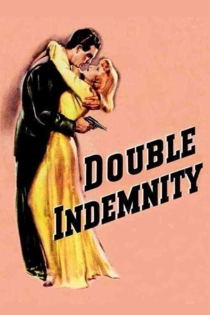
Double Indemnity
Billy Wilder
Fred MacMurray, Barbara Stanwyck
A rich woman and a calculating insurance agent plot to kill her unsuspecting husband after he signs a double indemnity policy. Against a backdrop of distinctly Californian settings, the partners in crime plan the perfect murder to collect the insurance, which pays double if the death is accidental.
Double Indemnity
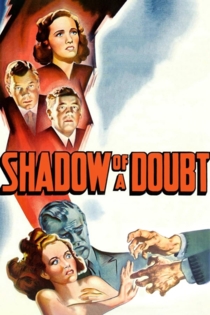
Shadow of a Doubt
Alfred Hitchcock
Teresa Wright, Joseph Cotten
Just when Charlotte ‘Charlie’ Newton, is feeling especially frustrated by the lack of excitement in her small town in California, she receives wonderful news: Her uncle and namesake, Charlie Oakley, is coming to visit. However, as secrets about him come to the fore, Charlotte’s admiration turns into suspicion.
Shadow of a Doubt
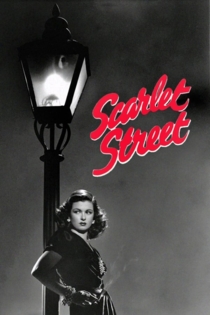
Scarlet Street
Fritz Lang
Edward G. Robinson, Joan Bennett
Cashier and part-time starving artist Christopher Cross is absolutely smitten with the beautiful Kitty March. Kitty plays along, but she's really only interested in Johnny, a two-bit crook. When Kitty and Johnny find out that art dealers are interested in Chris's work, they con him into letting Kitty take credit for the paintings. Cross allows it because he is in love with Kitty, but his love will only let her get away with so much.
Scarlet Street
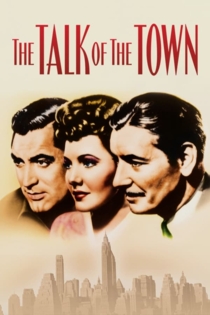
The Talk of the Town
George Stevens
Cary Grant, Jean Arthur
When the Holmes Woolen Mill burns down, political activist Leopold Dilg is jailed for arson and accidental murder. Escaping, Leopold hides out in the home of his childhood sweetheart Nora Shelley... which she has just rented to unsuspecting law professor Michael Lightcap.
The Talk of the Town
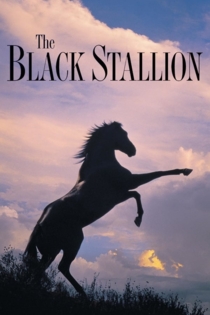
The Black Stallion
Carroll Ballard
Kelly Reno, Mickey Rooney
While traveling with his father, young Alec becomes fascinated by a mysterious Arabian stallion that is brought on board and stabled in the ship he is sailing on. When it tragically sinks both he and the horse survive only to be stranded on a deserted island. He befriends it, so when finally rescued both return to his home where they soon meet Henry Dailey, a once successful trainer. Together they begin training the horse to race against the fastest ones in the world.
The Black Stallion
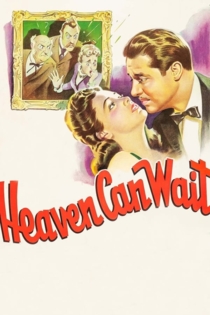
Heaven Can Wait
Ernst Lubitsch
Gene Tierney, Don Ameche
Spoiled playboy Henry van Cleve dies and arrives at the entrance to Hell, a final destination he is sure he deserves after living a life of profligacy. The devil, however, isn't so sure Henry meets Hell's standards. Convinced he is where he belongs, Henry recounts his life's deeds, both good and bad, including an act of indiscretion during his 25-year marriage to his wife, Martha, with the hope that "His Excellency" will arrive at the proper judgment.
Heaven Can Wait
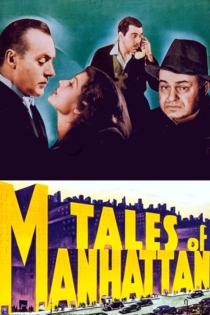
Tales of Manhattan
Julien Duvivier
Charles Boyer, Rita Hayworth
Ten screenwriters collaborated on this series of tales concerning the effect a tailcoat cursed by its tailor has on those who wear it. The video release features a W.C. Fields segment not included in the original theatrical release.
Tales of Manhattan
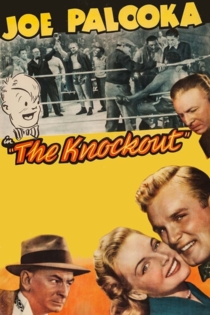
Joe Palooka in the Knockout
Reginald Le Borg
Leon Errol, Joe Kirkwood, Jr.
The third of the Monogram series based on Ham Fisher's "Joe Palooka" comic strip, opens with Knobby Walsh, the manager of Joe Palooka trying to talk his way out of a traffic citation, and the story leading to that point is told in flashback as narrated by Walsh. Heavyweight champion Joe, after knocking out an opponent who later died in his dressing room, feels responsible and threatens to give up boxing. But the dead fighter's fiance thinks he died as the result of a drug that was given to him by a gang of gamblers, who made a rich haul betting on Palooka. Joe, Knobby and the police unite to run down the gamblers, but not before Joe also is nearly murdered by the same means...a poisoned mouthpiece. Elyse Knox is along as Joe's sweetheart Anne Howe, although Anne and Joe had long been married in the comic strip.
Joe Palooka in the Knockout
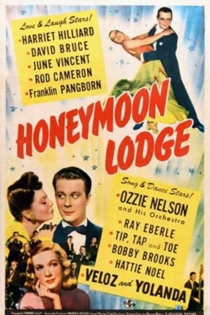
Honeymoon Lodge
Edward C. Lilley
David Bruce, Harriet Nelson
Honeymoon Lodge is a musical variation on the old Awful Truth plotline. Divorce-bound Bob and Carol Sterling (David Bruce, June Vincent) make a last-ditch attempt to avoid their legal breakup by restaging their mountain-resort honeymoon. Things get complicated when a rancher named Big Boy (Rod Cameron, in a Ralph Bellamy-style "sap" role) shows up at the resort in ardent pursuit of Carol, while Lorraine Logan (Harriet Hilliard) sets her cap for Bob.
Honeymoon Lodge
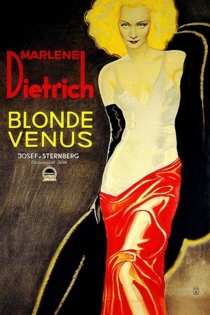
Blonde Venus
Josef von Sternberg
Marlene Dietrich, Herbert Marshall
American chemist Ned Faraday marries a German entertainer and starts a family. However, he becomes poisoned with Radium and needs an expensive treatment in Germany to have any chance at being cured. Wife Helen returns to night club work to attempt to raise the money and becomes popular as the Blonde Venus. In an effort to get enough money sooner, she prostitutes herself to millionaire Nick Townsend.
Blonde Venus