Louise Beavers
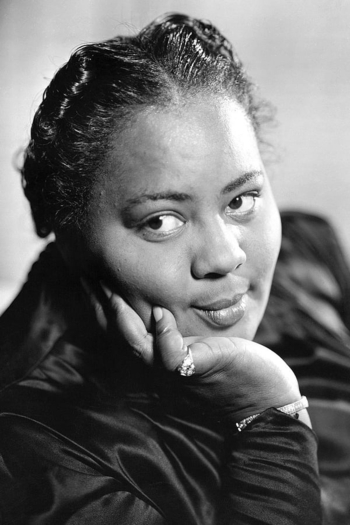
1902 - 1962Louise Beavers (March 8, 1902 – October 26, 1962) was an American film and television actress. Beavers appeared in dozens of films and two hit television shows from the 1920s until 1960, most often cast in the role of a maid, servant, or slave. She was a native of Cincinnati, Ohio, and a member of Sigma Gamma Rho sorority, one of the four African-American sororities.
Beavers was a breakthrough actress for black women and became known as a symbol of a "mammy" on the screen. A mammy archetype "is the portrayal within a narrative framework or other imagery of a black domestic servant, generally good-natured, often overweight, and loud".
Louise Beavers started her career in the 1920s. At the time, black people in films were limited to acting in only very few roles, usually as slaves or domestic help. She played the "mammy" in many of the movies she acted in. She started to gain more attention in the acting world after she played the role of Julia in Coquette, which starred Mary Pickford. In this film she played the black maid and mother figure to a young white woman.
She once received a review which stated: "Personally, Miss Beavers is just splendid, just as fine as she appears on screen, but she also has a charm all her own, which needs no screen role for recognition. She has a very pleasing personality, one that draws people to her instantly and makes them feel that they are meeting a friend instead of a Hollywood Star."
Beavers had an attractive personality, and often played roles in which she helps a white protagonist mature in the course of the movie.
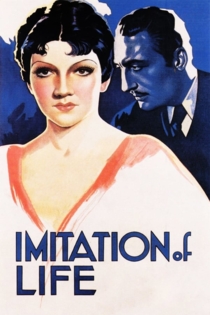
In 1934, Beavers played Delilah in Imitation of Life in a dramatic role. Her character again plays a black maid, but instead of the usual stereotypical comedic or purely functional role, Delilah's story line is a secondary parallel plot. The public reacted positively to Beavers' performance. It was not only a breakthrough for Beavers, but was also "the first time in American cinema history that a black woman's problems were given major emotional weight in a major Hollywood motion picture". Some in the media recognized the unfairness of Hollywood's double standard regarding race. For example, California Graphic Magazine wrote, "the Academy could not recognize Miss Beavers. She is black!"
As Beavers' career grew, some criticized her for the roles she accepted, alleging that such roles institutionalized the view that blacks were subservient to whites. Beavers dismissed the criticism. She acknowledged the limited opportunities available, but said: "I am only playing the parts. I don't live them." As she became more famous, Beavers began to speak against Hollywood's portrayal and treatment of black Americans, both during production and after promoting the films. Beavers became active in public life, seeking to help support African Americans.
In later life, Beavers was plagued by health issues, including diabetes. She died on October 26, 1962, at the age of 60, following a heart attack.
Beavers was inducted into the Black Filmmakers Hall of Fame in 1976.
Make Way for Tomorrow
Leo McCarey
Victor Moore, Beulah Bondi
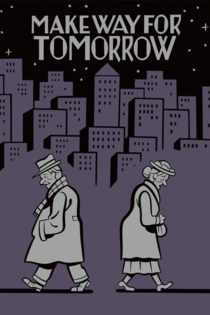
At a family reunion, the Cooper clan find that their parents' home is being foreclosed. "Temporarily," Ma moves in with son George's family, Pa with daughter Cora. But the parents are like sand in the gears of their middle-aged children's well regulated households. Can the old folks take matters into their own hands?
Make Way for Tomorrow

Holiday Inn
Mark Sandrich
Bing Crosby, Fred Astaire
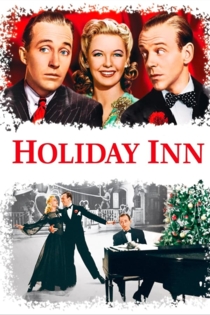
Lovely Linda Mason has crooner Jim Hardy head over heels, but suave stepper Ted Hanover wants her for his new dance partner after fickle Lila Dixon gives him the brush. Jim's supper club, Holiday Inn, is the setting for the chase by Hanover and his manager.
Holiday Inn
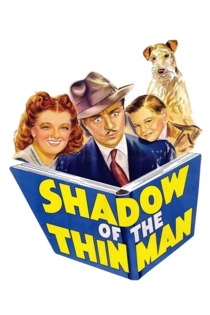
Only Yesterday
John M. Stahl
Margaret Sullavan, John Boles
On the back of the Wall Street Crash of 1929, a young business man is about to commit suicide. With the note to his wife scribbled down and a gun in his hand, he notices a thick envelope addressed to him at the desk. As he begin to read, we're taken back to the days of WW1 and his meeting with a young woman named Mary Lane.
Only Yesterday
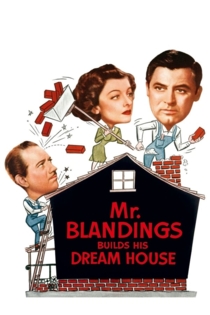
The Story of Temple Drake
Stephen Roberts
Miriam Hopkins, William Gargan
The coquettish granddaughter of a respected small-town judge is stranded at a bootleggers’ hide-out, subjected to an act of nightmarish sexual violence, and plunged into a criminal underworld that threatens to swallow her up completely.
The Story of Temple Drake

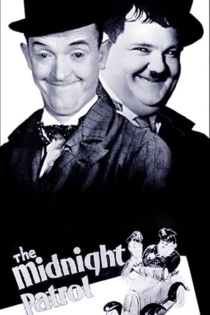
Top Man
Charles Lamont
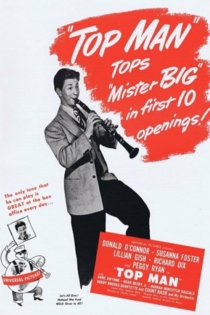
Donald O'Connor, Susanna Foster
In this WW II musical, a young man suddenly finds himself in charge of his family when his father is called to war. To help the flagging spirits of local factory workers, the plucky lad, his siblings and his schoolmates put on a lively little show. With a little work, he even convinces Count Basie to come with his band.
Top Man
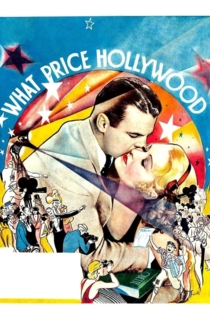
What Price Hollywood?
George Cukor
Constance Bennett, Lowell Sherman
Sassy and ambitious waitress Mary Evans amuses and befriends amiable seldom-sober Hollywood film director Max Carey when he stumbles into her restaurant. Max invites Mary to his film premiere and, after a night of drinking and carousing, Mary is granted a screen test. A studio contract follows. Just as Mary finds her dreams coming true, Carey’s life and career begins its descent.
What Price Hollywood?