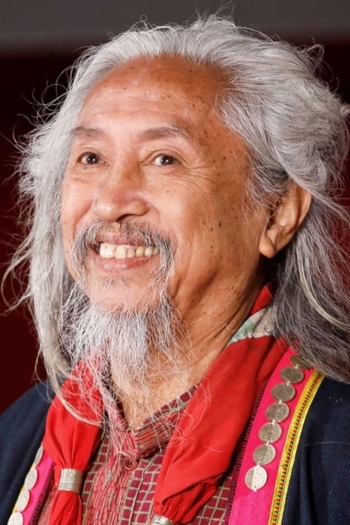
Kidlat Tahimik
2021Oda sa Mga Nangangarap
Jan Michael C. Jamisola
Mailes Kanapi, Andrea Tatad
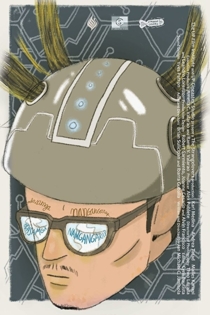
A machine capable of recording ideas directly from the mind is invented, and an out-of-work comedian suffering from depression uses it to learn if he still has the gift to make people laugh.
Ode to Dreamers
José Rizal
Marilou Diaz-Abaya
Cesar Montano, Joel Torre
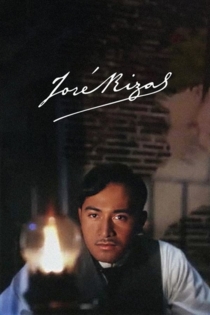
Accused of treason, Dr. Jose P. Rizal awaits trial and meets with his colonial government-appointed counsel, Luis Taviel de Andrade. The two build the case and arguments for the defense as significant events in the central figure's life prior to his incarceration unfold. Upon hearing Rizal's life story, Taviel begins to realize that the accused not just is innocent but exhibits in fact all the qualities of an extraordinary man. When the mock trial unreels, Taviel is all set to act as the prime advocate for his client as Rizal himself is about to give an earth-moving speech to defend his honor and address his countrymen. Meanwhile, the Spanish authorities have worked out the vast political machinery to ensure a guilty verdict. A revolution waits in the wings.
José Rizal
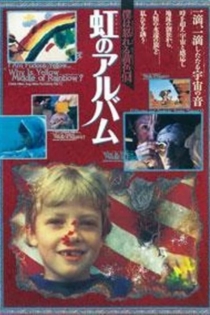
Bakit Dilaw ang Gitna ng Bahag-hari?
Kidlat Tahimik
Inspired by a trip to Monument Valley and the Navajo Nation while en route to the Telluride Film Festival, Tahimik and his eldest son Kidlat Gottlieb Kalayaan use the "spaghetti machine" (Tahimik's nickname for his Bolex camera) to make their own "spaghetti western." The decade-long path of the film encompasses the assassination of Bagnino Aquino and the subsequent Yellow Revolution that brought Corazon Aquino to power, the decommissioning of the US air base Camp John Hay, and the younger Kidlat's trajectory through school, all shown through a Third World Projector salvaged from a junk pile on Navajo land.
Why Is Yellow the Middle of the Rainbow?
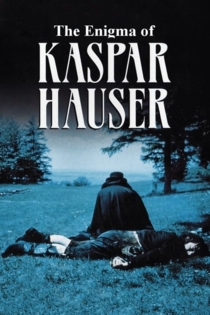
The Enigma of Kaspar Hauser
Werner Herzog
Bruno S., Walter Ladengast
The film follows Kaspar Hauser (Bruno S.), who lived the first seventeen years of his life chained in a tiny cellar with only a toy horse to occupy his time, devoid of all human contact except for a man who wears a black overcoat and top hat who feeds him.
The Enigma of Kaspar Hauser
Who Invented the Yo-Yo? Who Invented the Moon Buggy?
Kidlat Tahimik
Kidlat Tahimik, Kidlat De Guia
Stuck in the German lands of “Yodelburg,” our hero Kidlat dreams of space and muses on humanity’s endless capacity for creativity, whether on the moon or at home in the Philippines. A delightful, self-proclaimed “third-world space spectacle.”
Who Invented the Yoyo? Who Invented the Moon Buggy?
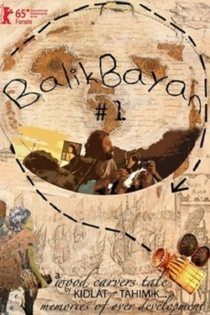
Balikbayan #1: Memories of Overdevelopment Redux III
Kidlat Tahimik
Mitos Benitez, Kidlat Tahimik
Magellan, the famous navigator, met his untimely death in the Philippines before he could circumnavigate the globe. Ironically, it was his slave and translator Enrique who most likely was the first to achieve the historic feat.
Balikbayan #1: Memories of Overdevelopment Redux III
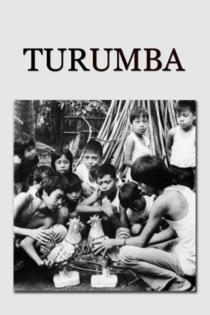
Perfumed Nightmare
Kidlat Tahimik
Mang Fely, Dolores Santamaria
Kidlat, a Filipino jeepney driver, is fascinated by the idea of the American space programme and by Western society as a whole. When he moves to Paris, disillusionment sets in as his dreams are gradually shattered.
Perfumed Nightmare
Bahag Ko, Mahal Ko
Kidlat Tahimik
Kawayan de Guia, Kabunyan de Guia
Kidlat Tahimik, a director and performer, sought to recreate relations between the body and filmed image seen through "Asian eyes." This groundbreaking project took the form of a documentary which Mr. Tahimik directed and in which he performed himself in order to show his own thinking about the different views of the body held by the "East" and the "West."
Japanese Summers of a Filipino Fundoshi
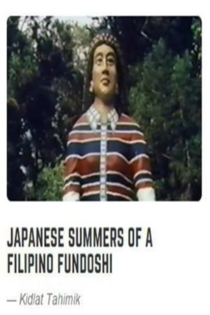
Our Bomb Mission in Hiroshima
Kidlat Tahimik
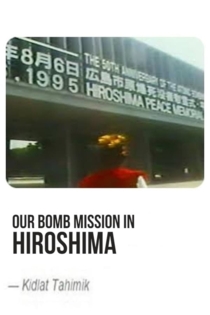
An unexploded bomb that the Americans dropped in the Philippines in their war against the Japanese was found in a river. It was transformed into a bell by the Ifugaos and sent back to Japan. This time as a gesture of peace.
Our Bomb Mission in Hiroshima
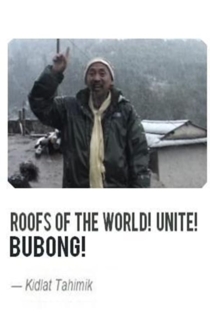
Banal Kahoy
Kidlat Tahimik
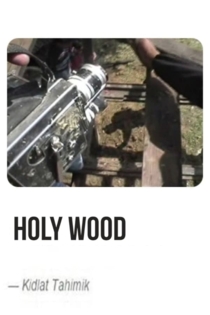
The film illustrates the philosophy of “giving back” to nature, and documents the pinugo, the unique system of sustainable land cultivation developed by the Ifugao to take equal account of forest management and rice growing.This diary film also turns into a travelogue when a group of woodcarvers embark on a trip to Japan to the Takedera temple where they transform a 250-year-old tree, which had been struck by a lightning bolt, into a totem pole.
Holy Wood