Setsuko Hara
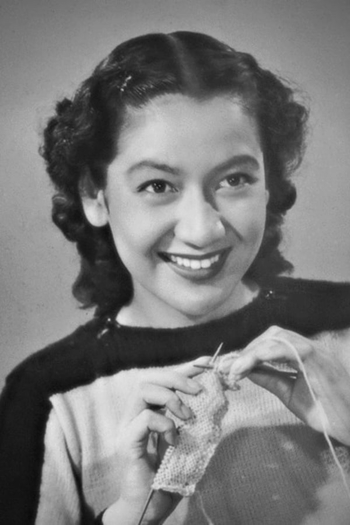
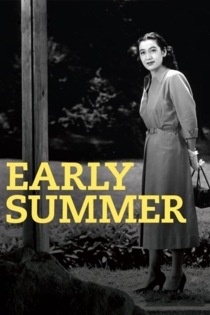
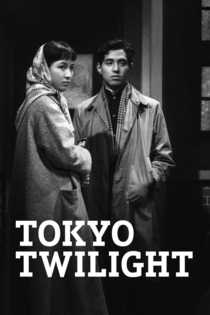
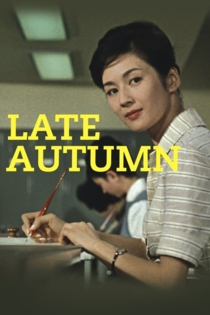
1920 - 2015Setsuko Hara (June 17, 1920 – September 5, 2015) was a Japanese actress who appeared in six of Yasujirō Ozu's films, most notably as Noriko in the 'Noriko Trilogy': Late Spring (1949), Early Summer (1951) and Tokyo Story (1953). Her other films for Ozu were Tokyo Twilight (1957), Late Autumn (1960) and finally The End of Summer in 1961.
She was born Masae Aida in Yokohama, Kanagawa prefecture. She came to prominence as an actress at an early age, in the 1937 German-Japanese co-production Die Tochter des Samurai (Daughter of the Samurai), known in Japan as Atarashiki Tsuchi (The New Earth), directed by Arnold Fanck and Mansaku Itami.
She also starred in films by Akira Kurosawa, Mikio Naruse and other prominent directors.
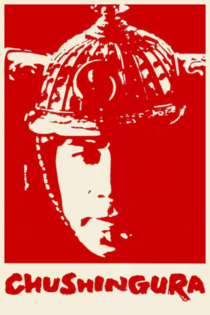
She was called "the Eternal Virgin" in Japan and is a symbol of the golden era of Japanese cinema of the 1950s, although she is mostly unknown in the US. She suddenly quit acting in 1963 (the same year as Ozu's death), and had since led a secluded life in Kamakura, refusing all interviews and photographs. Her last major role was Riku, wife of Ōishi Yoshio, in the 1962 film, Chushingura. She was the inspiration for the protagonist of the 2001 movie Millennium Actress.
Description above from the Wikipedia article Setsuko Hara, licensed under CC-BY-SA, full list of contributors on Wikipedia.
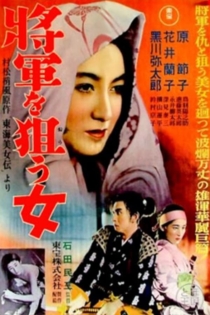
東海美女伝
Tamizo Ishida
Setsuko Hara, Taizō Fukami
A man attacks the shogun, but does not succeed in his assassination attempt. He flees to the mountains and hides in a shed. There he finds an old man and a girl. The latter is the daughter of Shogun's former wife and also has revenge on her mind. The former is also connected to the castle. Separately a girl lives at the shogun's castle and believes in god.
The Woman Aiming for the Shogun
Haha no kyoku
Satsuo Yamamoto
Setsuko Hara, Joji Oka
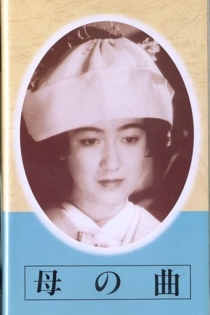
The prewar film Haha no kyoku (Mother's Melody, 1937) is known for its place in Japanese film history as one of the top three melodramas as well as for its authorship: Yamamoto Satsuo is an auteur not usually associated with filming melodramas. Yamamoto made the film right after he moved, along with his mentor Naruse Mikio, to the Toho film company. A number of subsequent postwar mother's films adopted some of its essences, making it a genre-defining moment in Japanese cinema. This great melodrama is atypical of Yamamoto's output, much of which deals with political corruption and inequities within social institutions and offers a strong anti-establishment appeal.
Mother's Melody
指導物語
Hisatora Kumagai
Sadao Maruyama, Susumu Fujita
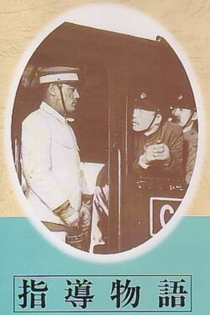
In this semi-documentary, an older locomotive driver is tasked with training younger ones and is currently training two in particular. The old man is finding the task overwhelming as it is hard work with practical lessons and classroom components. His wife has died, but he has three daughters with the oldest taking care of her younger siblings.
Story of Leadership
晩春
Yasujirō Ozu
Chishū Ryū, Setsuko Hara
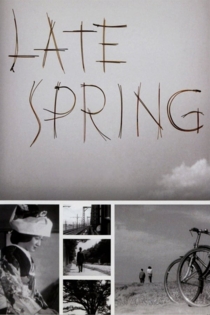
Noriko is perfectly happy living at home with her widowed father, Shukichi, and has no plans to marry -- that is, until her aunt Masa convinces Shukichi that unless he marries off his 27-year-old daughter soon, she will likely remain alone for the rest of her life. When Noriko resists Masa's matchmaking, Shukichi is forced to deceive his daughter and sacrifice his own happiness to do what he believes is right.
Late Spring
東京物語
Yasujirō Ozu
Chishū Ryū, Chieko Higashiyama
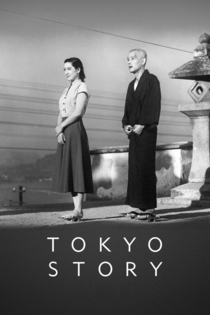
The elderly Shukishi and his wife, Tomi, take the long journey from their small seaside village to visit their adult children in Tokyo. Their elder son, Koichi, a doctor, and their daughter, Shige, a hairdresser, don't have much time to spend with their aged parents, and so it falls to Noriko, the widow of their younger son who was killed in the war, to keep her in-laws company.
Tokyo Story
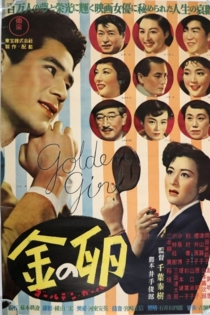
金の卵
Yasuki Chiba
Toshirō Mifune, Rentaro Mikuni
Once an average and seemingly ordinary Tokyo girl, she suddenly finds herself as a TV star owing to her discovery by a casting company, which noticed photographs that her cousin had sent. When another actress falls ill she is given the role instead. Her first film is a success propelling the young actress to popularity, her own fans, money and a house. While everything looks dandy from the outside not all is well within the family however.
Kin no tamago: Golden girl
47 Ronin
Hiroshi Inagaki
Toshirō Mifune, Takashi Shimura
The story tells of a group of samurai who were left leaderless (becoming ronin) after their daimyo (feudal lord) was forced to commit seppuku (ritual suicide) for assaulting a court official named Kira Yoshinaka, whose title was Kōzuke no suke. The ronin avenged their master's honor after patiently waiting and planning for over a year to kill Kira. In turn, the ronin were themselves forced to commit seppuku for committing the crime of murder.
47 Ronin