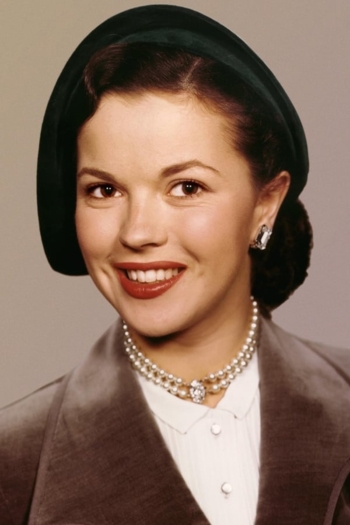
Shirley Temple
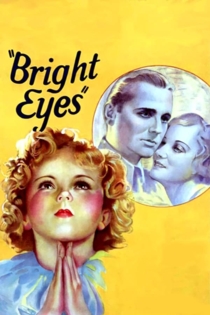
1928 - 2014Temple began her film career at the age of three in 1931. Two years later, she achieved international fame in Bright Eyes, a feature film produced especially for her talents. She received a special Juvenile Academy Award in February 1935 for her outstanding contribution as a juvenile performer in motion pictures during 1934. Film hits such as Curly Top and Heidi followed year after year during the mid- to late 1930s. Temple capitalized on licensed merchandise that featured her wholesome image; the merchandise included dolls, dishes, and clothing. Her box-office popularity waned as she reached adolescence. She appeared in 29 films from the ages of 3 to 10, but in only 14 films from the ages of 14 to 21. Temple retired from film in 1950 at the age of 22.
In 1958, Temple returned to show business with a two-season television anthology series of fairy tale adaptations. She made guest appearances on television shows in the early 1960s and filmed a sitcom pilot that was never released. She sat on the boards of corporations and organizations, including the Walt Disney Company, Del Monte Foods, and the National Wildlife Federation.
She began her diplomatic career in 1969, when she was appointed to represent the United States at a session of the United Nations General Assembly, where she worked at the U.S. Mission under Ambassador Charles W. Yost. In 1988, she published her autobiography, Child Star.
Temple was the recipient of numerous awards and honors, including the Kennedy Center Honors and a Screen Actors Guild Life Achievement Award. She is 18th on the American Film Institute's list of the greatest female American screen legends of classic Hollywood cinema.
[biography (excerpted) from Wikipedia]
Cavalcade of the Academy Awards
Carey Wilson, Janet Gaynor
This 1940 presentation features highlights of earlier (1928 onward) Oscar ceremonies including Shirley Temple and Walt Disney, plus acceptance speeches for films released in 1939 with recipients and presenters including Vivien Leigh, Judy Garland, Hattie McDaniel, Fay Bainter, Mickey Rooney, Thomas Mitchell, Sinclair Lewis, and more, with host Bob Hope.
Cavalcade of the Academy Awards
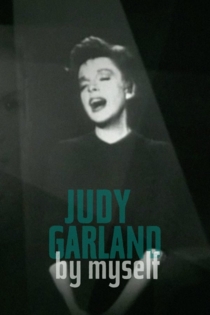
Judy Garland: By Myself
Susan Lacy
Judy Garland, Harris Yulin
As Hollywood biographies go, Judy Garland's story is one of the saddest success stories you'll ever hear. The sanitized studio version of her life presented a smiling kid with the big voice, who, alongside Mickey Rooney, just wanted to put on a show. But drugs, overwork, even psychological abuse at the hands of the studio is now part of the Garland legend. But despite the number of Garland books and documentaries, one account has always been missing -- Garland herself never managed to write a memoir. She did make several attempts at an autobiography, often recording stories on a tape recorder. Judy Garland: By Myself (2004), finally fills in the blanks - using Judy's personal recordings to tell the story in her own words.
Judy Garland: By Myself
Hollywood Out-takes and Rare Footage
Stanley Sheff, Bruce Goldstein
Gig Young, Bud Abbott
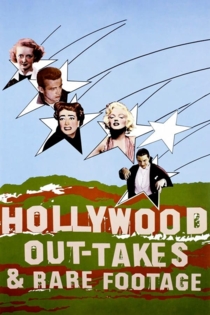
Out-takes (mostly from Warner Bros.), promotional shorts, movie premieres, public service pleas, wardrobe tests, documentary material, and archival footage make up this star-studded voyeuristic look at the Golden age of Hollywood during the 30s, 40, and 50.
Hollywood Out-takes and Rare Footage
Black History: Lost Stolen, or Strayed
Bill Cosby, Andrew Rooney
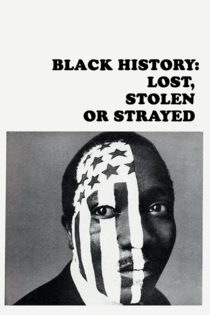
A documentary that reviews the numerous contributions of African-Americans to the development of the United States. From the perspective of the turbulent late 1960s, the fact that their positive roles had not generally been taught as part of American history, coupled with the pervasiveness of derogatory stereotypes, was evidence of how Black people had long been victims of negative attitudes and ignorance.
Black History: Lost, Stolen or Strayed
Since You Went Away
John Cromwell
Claudette Colbert, Jennifer Jones
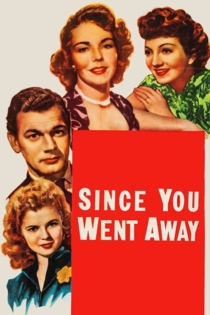
While husband Tim is away during World War II, Anne Hilton copes with problems on the homefront. Taking in a lodger, Colonel Smollett, to help make ends meet and dealing with shortages and rationing are minor inconveniences compared to the love affair daughter Jane and the Colonel's grandson conduct.
Since You Went Away
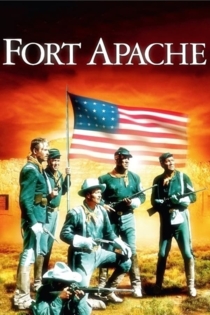
Fort Apache
John Ford
John Wayne, Henry Fonda
Owen Thursday sees his new posting to the desolate Fort Apache as a chance to claim the military honour which he believes is rightfully his. Arrogant, obsessed with military form and ultimately self-destructive, he attempts to destroy the Apache chief Cochise after luring him across the border from Mexico, against the advice of his subordinates.
Fort Apache

Heidi
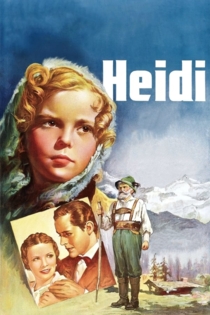
Allan Dwan
Shirley Temple, Jean Hersholt
Heidi is orphaned and her uncaring maternal Aunt Dete takes her to the mountains to live with her reclusive, grumpy paternal grandfather, Adolph Kramer. Heidi brings her grandfather back into mountain society through her sweet ways and sheer love. When Dete later returns and steals Heidi away to become the companion of a rich man's wheelchair-bound daughter, the grandfather is heartsick to discover his little girl missing and immediately sets out to get her back.
Heidi
That's Dancing!
Jack Haley Jr.
Mikhail Baryshnikov, Ray Bolger
A documentary film about dancing on the screen, from it's orgins after the invention of the movie camera, over the movie musical from the late 20s, 30s, 40s 50s and 60s up to the break dance and the music videos from the 80s.
That's Dancing!

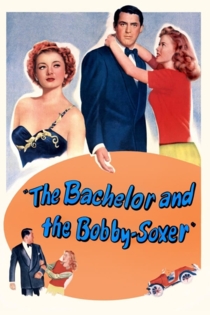
The Bachelor and the Bobby-Soxer
Irving Reis
Cary Grant, Myrna Loy
Teenager Susan Turner, with a severe crush on playboy artist Richard Nugent, sneaks into his apartment to model for him and is found there by her sister Judge Margaret Turner. Threatened with jail, Nugent agrees to date Susan until the crush abates.
The Bachelor and the Bobby-Soxer
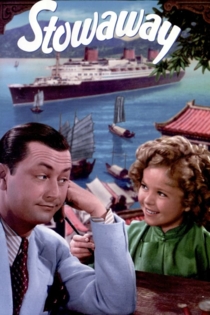
Stowaway
William A. Seiter
Shirley Temple, Robert Young
Chin-Ching gets lost in Shanghai and is befriended by American playboy Tommy Randall. She falls asleep in his car which winds up on a ship headed for America. Susan Parker, also on the ship, marries Randall to give Chin-Ching a family.
Stowaway
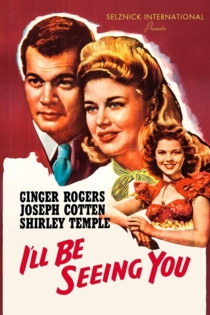
I'll Be Seeing You
William Dieterle
Ginger Rogers, Joseph Cotten
Mary Marshall, serving a six year term for accidental manslaughter, is given a Christmas furlough from prison to visit her closest relatives, her uncle and his family in a small Midwestern town. On the train she meets Zach Morgan, a troubled army sergeant on leave for the holidays from a military hospital. Although his physical wounds have healed, he is suffering from post-traumatic stress disorder and is subject to panic attacks. The pair are attracted to one another and in the warm atmosphere of the Christmas season friendship blossoms into romance, but Mary is reluctant to tell him of her past and that she must shortly return to prison to serve the remainder of her sentence.
I'll Be Seeing You