Hisashi Igawa
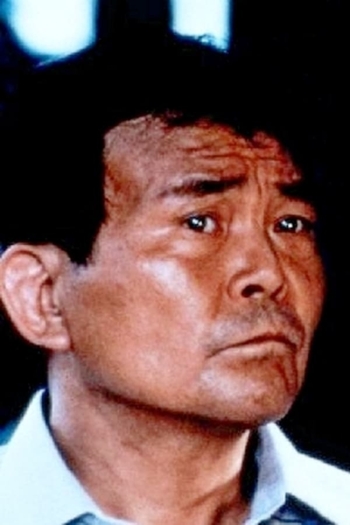
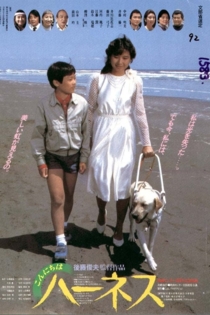
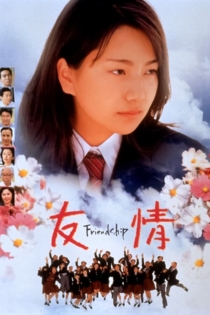
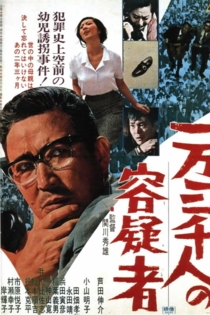
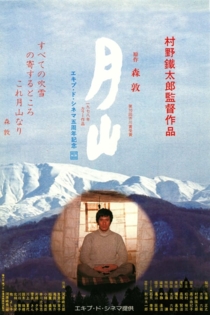
1936 (89 лет)Hisashi Igawa (井川比佐志 born 17 November 1936) is a Japanese actor who has appeared in such films as Akira Kurosawa's Dodesukaden, Ran and Madadayo. He starred in Abe Kōbō's production of The Man Who Turned Into A Stick, a surrealist play, in 1969.
切腹
Masaki Kobayashi
Tatsuya Nakadai, Akira Ishihama
Down-on-his-luck veteran Tsugumo Hanshirō enters the courtyard of the prosperous House of Iyi. Unemployed, and with no family, he hopes to find a place to commit seppuku—and a worthy second to deliver the coup de grâce in his suicide ritual. The senior counselor for the Iyi clan questions the ronin’s resolve and integrity, suspecting Hanshirō of seeking charity rather than an honorable end. What follows is a pair of interlocking stories which lay bare the difference between honor and respect, and promises to examine the legendary foundations of the Samurai code.
Harakiri

人間の條件 第3部望郷篇/第4部戦雲篇
Masaki Kobayashi
Tatsuya Nakadai, Michiyo Aratama
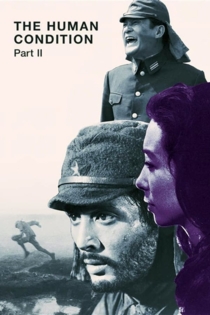
Kaji is sent to the Japanese army labeled Red and is mistreated by the vets. Along his assignment, Kaji witnesses cruelties in the army and revolts against the abusive treatment against the recruit Obara. He also sees his friend Shinjô Ittôhei defecting to the Russian border, and he ends in the front to fight a lost battle against the Russian tanks division.
The Human Condition II: Road to Eternity
Ran
Akira Kurosawa
Tatsuya Nakadai, Akira Terao
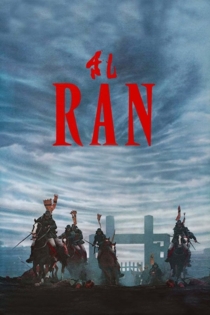
With Ran, legendary director Akira Kurosawa reimagines Shakespeare's King Lear as a singular historical epic set in sixteenth-century Japan. Majestic in scope, the film is Kurosawa's late-life masterpiece, a profound examination of the folly of war and the crumbling of one family under the weight of betrayal, greed, and the insatiable thirst for power.
Ran
Tampopo
Juzo Itami
Tsutomu Yamazaki, Nobuko Miyamoto
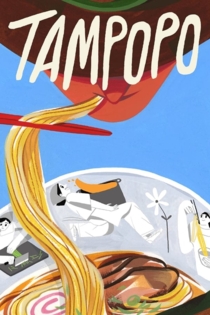
In this humorous paean to the joys of food, a pair of truck drivers happen onto a decrepit roadside shop selling ramen noodles. The widowed owner, Tampopo, begs them to help her turn her establishment into a paragon of the "art of noodle-soup making". Interspersed are satirical vignettes about the importance of food to different aspects of human life.
Tampopo

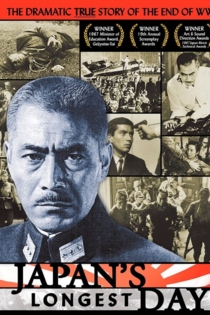
Japan's Longest Day
Kihachi Okamoto
Seiji Miyaguchi, Rokkō Toura
Following the detonation of the atomic bombs on Hiroshima and Nagasaki, the Japanese military and the government clash over the demand from the Allies for unconditional surrender. Minister of the Army Anami leads the military officers who propose to fight on, even to the death of every Japanese citizen. Emperor Hirohito, however, joins with his ministers in asking the unthinkable, the peaceful surrender of Japan. When the military plots a coup to overthrow the Emperor's civilian government, Anami must face the choice between his desires and loyalty to his Emperor.
Japan's Longest Day
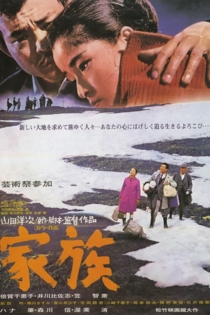
Where Spring Comes Late
Yoji Yamada
Chieko Baisho, Hisashi Igawa
The story is set in 1970 during the time of the first EXPO in Japan. The film’s main figure is a miner who suddenly becomes unemployed because the mine he worked in was shut down. He decides to resettle with his whole family to Hokkaido in northern Japan and start a new life as a farmer.
Where Spring Comes Late
三匹の侍
Hideo Gosha
Tetsurō Tamba, Isamu Nagato
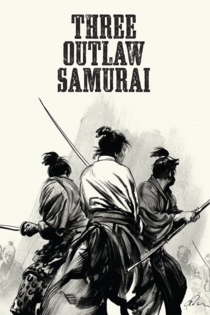
Shiba, a wandering ronin, encounters a band of peasants who have kidnapped the daughter of their dictatorial magistrate, in hopes of coercing from him a reduction in taxes. Shiba takes up their fight, joined by two renegades from the magistrate's guard, Sakura and Kikyo. The three outlaws find themselves in a battle to the death.
Three Outlaw Samurai