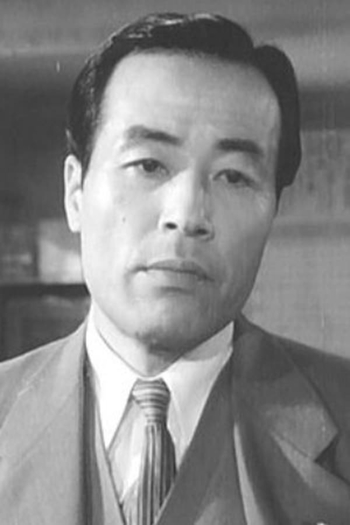
Eitarō Ozawa
1909 - 1988愛と炎と
Eizo Sugawa
Tatsuya Mihashi, Yôko Tsukasa
An employee at an oil cartel (Mihashi) is haunted by an act years before when he euthanized a fellow soldier when the two were adrift at sea during the Pacific War. Matters are complicated further when he falls in love with the soldier's younger sister (Tsukasa).
Challenge to Live

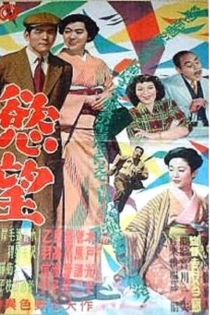
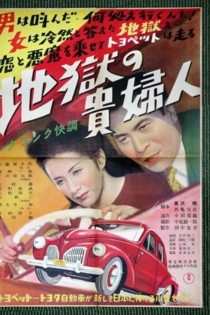
地獄の貴婦人
Motoyoshi Oda
Eitarō Ozawa, Ichirō Ryūzaki
Three and a half years after Japan was bombed, the tax authorities organized the T-Men. Nango is in love with a girl called Mibu, and the two are against the T-Men organization. Mibu whats to kill all of the T-Men one-by-one.
Lady From Hell
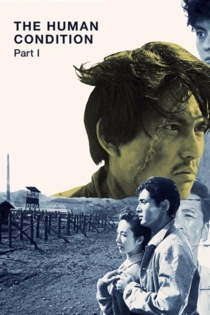
The Human Condition I: No Greater Love
Masaki Kobayashi
Tatsuya Nakadai, Michiyo Aratama
After handing in a report on the treatment of Chinese colonial labor, Kaji is offered the post of labor chief at a large mining operation in Manchuria, which also grants him exemption from military service. He accepts, and moves to Manchuria with his newly-wed wife Michiko, but when he tries to put his ideas of more humane treatment into practice, he finds himself at odds with scheming officials, cruel foremen, and the military police.
The Human Condition I: No Greater Love
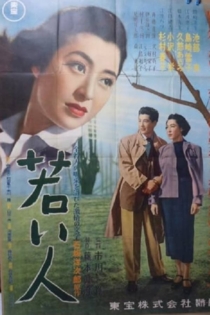
若い人
Kon Ichikawa
Hiroshi Nihon'yanagi, Ryō Ikebe
MAZAKI Shintaro is a teacher at a mission school, in a relationship with the English teacher Sumi HASHIMOTO. Young, single and handsome MAZAKI is popular among the women, One day, after reading somethiing unusual in the essay of a third...v
Forbidden Path
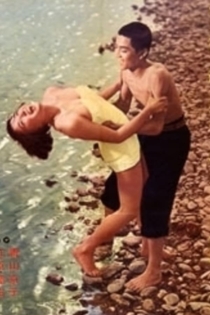
祇園祭
Daisuke Itō, Tetsuya Yamanouchi
Kinnosuke Nakamura, Toshirō Mifune
Shinkichi, a peasant employed as a cloth-dyer, has a dream: in the midst of the civil war which ravages Japan, he hopes to revive the long-banned custom of the Kyoto Gion Festival, and by doing so, bring together the warring clans and rampaging brigands in peaceful celebration.
The Day the Sun Rose
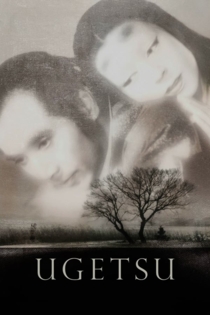
Ugetsu
Kenji Mizoguchi
Machiko Kyō, Mitsuko Mito
In 16th century Japan, peasants Genjuro and Tobei sell their earthenware pots to a group of soldiers in a nearby village, in defiance of a local sage's warning against seeking to profit from warfare. Genjuro's pursuit of both riches and the mysterious Lady Wakasa, as well as Tobei's desire to become a samurai, run the risk of destroying both themselves and their wives, Miyagi and Ohama.
Ugetsu
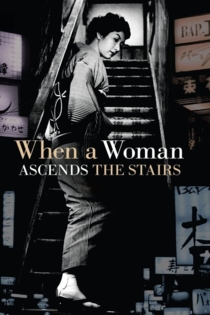
When a Woman Ascends the Stairs
Mikio Naruse
Hideko Takamine, Masayuki Mori
Keiko, whom everyone calls Mama, narrates her story: she's a hostess on the Ginza, 30, a widow. She describes life's vicious cycle: acting cheerful around drunks, dressing and living well to convey confidence, needing money for these expenses and for her demanding mother and brother, and knowing she's growing older. She's of an age when she must choose: to seek marriage (difficult given her tarnished occupation), to be a kept woman, or to borrow money to buy a bar of her own. Each route has dangers, including investors demanding a return on their loans. Keiko has a quiet dignity that attracts men, but are they what they seem? Does she actually have choices?
When a Woman Ascends the Stairs
近松物語
Kenji Mizoguchi
Kazuo Hasegawa, Kyōko Kagawa
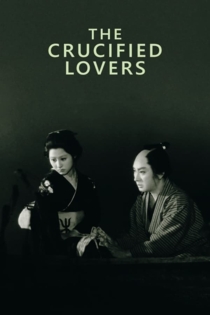
In 17th century Kyoto, Osan is married to Ishun, a wealthy miserly scroll-maker. When Osan is falsely accused of having an affair with the best worker, Mohei, the pair flee the city and declare their love for each other. Ishun orders his men to find them, and separate them to avoid public humiliation.
The Crucified Lovers
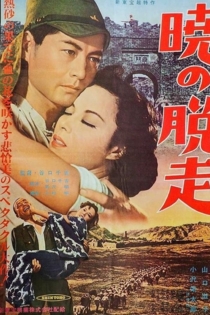
暁の脱走
Senkichi Taniguchi
Ryō Ikebe, Yoshiko Yamaguchi
Mikami, a Japanese soldier, is captured by Chinese forces. Although able to escape, he is treated with contempt by his peers. After falling in love with a prostitute named Harumi, she convinces him to desert the army and live with her.
Escape at Dawn