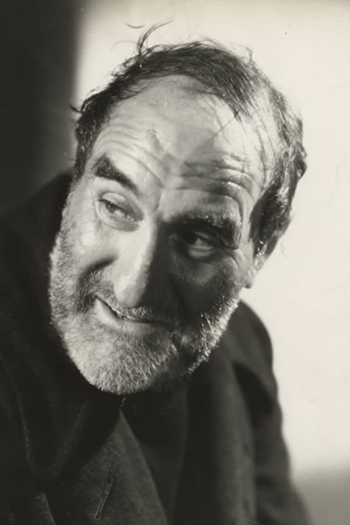
Ernest Torrence
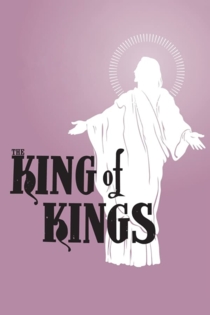
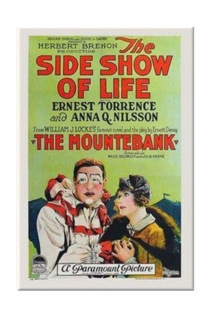
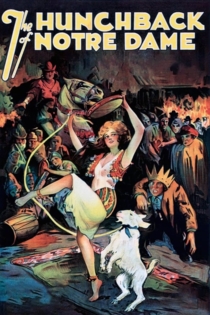
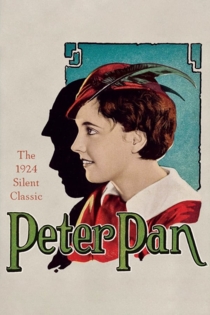
1878 - 1933He earned superb marks playing the despicable adversary Luke Hatburn in Tol'able David (1921) opposite Richard Barthelmess, and immediately settled into films for the rest of his career. Adept at both comedy and drama, Ernest avoided what could have been a damaging stereotype with his sympathetic portrayal of a grizzled old codger in the classic western The Covered Wagon (1923). He further bolstered his celebrity with plum, lip-smacking roles alongside Lon Chaney in The Hunchback of Notre Dame (1923) as Clopin, king of the beggars, and Betty Bronson in Peter Pan (1924) as the dastardly Captain Hook. In an offbeat bit of casting he paired up with Clara Bow in Mantrap (1926) as a gentle, bear-like backwoodsman in search of a wife, and participated in other silent classics such as The King of Kings (1927) (as Peter) and Steamboat Bill, Jr. (1928) as Buster Keaton's steamboat captain Dad.
Despite his celluloid villainy, Ernest was known as a courtly and cultivated gentleman in private. He made the transition into talking films intact and was able to play a marvelous nemesis, Dr. Moriarty, to Clive Brooks ' Sherlock Holmes (1932) before his untimely death. Ernest died following his filming as a smuggler in I Cover the Waterfront (1933) starring Claudette Colbert in New York on May 15,1933, at the relatively young age of 54. It seems that while en route to Europe by ship, Torrence suffered an acute attack of gall stones and was rushed back to a New York hospital. He died of complications following surgery. Looking and usually playing much older than he was, Hollywood lost a marvelously talented and robust character player who had dozens of films ahead of him.

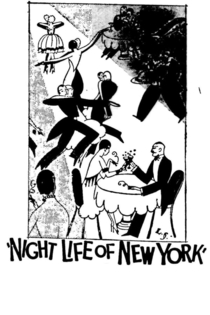
Night Life of New York
Allan Dwan
Rod La Rocque, Ernest Torrence
John Bentley hates New York City, because of an unhappy romance as a young man, but his son, Ronald, tired of living in Iowa, is determined to take up residence in Manhattan. The elder Bentley therefore conspires with his New York manager, William Workman, to involve Ronald in so much trouble that he will gladly return to the sedate life of an Iowa burgher. Arriving in Manhattan, Ronald strikes up an acquaintance with Meg, a telephone operator, whose brother, Jimmy, has come under the evil influence of Jerry. Jerry and Jimmy rob a wealthy woman, and Ronald is charged with the crime on circumstantial evidence, keeping quiet in order to protect Jimmy.
Night Life of New York
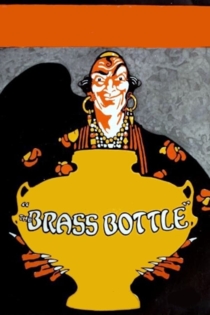
The Brass Bottle
Maurice Tourneur
Harry Myers, Ernest Torrence
Horace Ventimore, a young London architect, stumbles across an old brass bottle. When he picks it up a genie suddenly appears and promises Horace that he will grant every wish Horace wants in exchange for his freedom. Horace accepts the genie's offer but finds out that things aren't working out quite as well as he thought they would.
The Brass Bottle

The King of Kings
Cecil B. DeMille
H.B. Warner, Dorothy Cumming
The King of Kings is the Greatest Story Ever Told as only Cecil B. DeMille could tell it. In 1927, working with one of the biggest budgets in Hollywood history, DeMille spun the life and Passion of Christ into a silent-era blockbuster. Featuring text drawn directly from the Bible, a cast of thousands, and the great showman’s singular cinematic bag of tricks, The King of Kings is at once spectacular and deeply reverent—part Gospel, part Technicolor epic.
The King of Kings
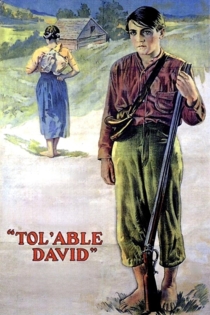
Tol'able David
Henry King
Richard Barthelmess, Gladys Hulette
Young David Kinemon is a good-natured, easy-going lad in a mountain village. Circumstances force him to take his brother's place as mail carrier for the community, and this brings him into deadly contact with the vicious Hatburn brothers.
Tol'able David
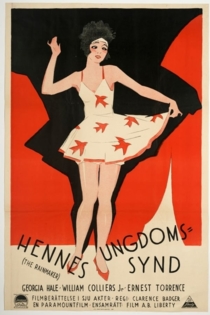
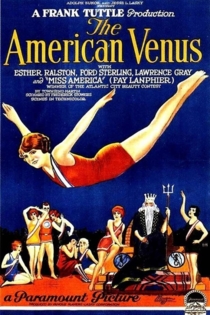
The American Venus
Frank Tuttle
Esther Ralston, Lawrence Gray
A lost film - Mary Gray, whose father manufactures cold cream, is engaged to sappy Horace Niles, the son of Hugo Niles, the elder Gray's most competitive rival in the cosmetics business. Chip Armstrong, a hot-shot public relations man, quits the employ of Hugo Niles and goes to work for Gray, persuading Mary to enter the Miss America contest at Atlantic City, with the intention of using her to endorse her father's cold cream should she win. Mary breaks her engagement with Horace. When it appears that she will win the contest, Hugo lures her home on the pretext that her father is ill, and she misses the contest. Chip and Mary return to Atlantic City, discovering that the new Miss America has told the world that she owes all her success to Gray's cold cream. On this note, Chip and Mary decide to get married.
The American Venus