
Catalina Saavedra
1968 (58 лет)Bahía azul
Nicolás Acuña
Antonio Campos, María Izquierdo
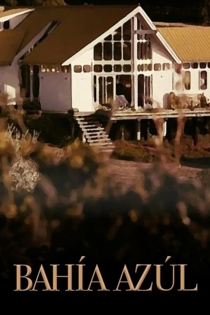
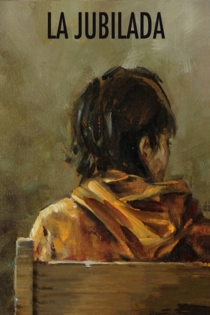
A teenager visits his mother in search of affection. She lives semi isolated from the world, on a house facing the sea and in the company of a woman. The meeting of both characters will be rather a disagreement that will throw the young man towards other characters that will be moving further away from his mother until he disappears. Only at that moment will she feel the weight of his absence.
Bahía azul

Las cosas simples
Álvaro Anguita
Catalina Saavedra, Anita Reeves
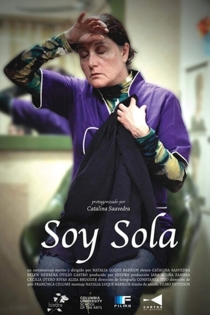
Penelope is a civil servant who lives with her mother, who has Alzheimer's. One day she meets Ulises, a poor old man who has lost his memory and his identity papers. She convinces him that he is her father and he must come home to take care of his wife.
The Simple Things

La nana
Sebastián Silva
Catalina Saavedra, Claudia Celedón
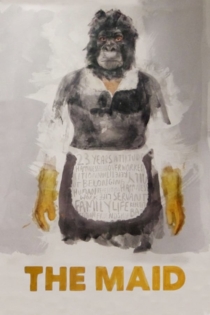
Raquel has been the live-in housekeeper for a kind, reasonably wealthy family for half her life, and the joyless repetition of the job has begun to take its toll. Increasingly dependent on painkillers, Raquel resorts to pranks and childish avoidance to antagonize the family’s college-age daughter and a procession of new servants, all in the hopes of protecting her precarious power within the home. Her antics successfully push everyone away, until new maid Lucy actually pushes back.
The Maid
La lección de pintura
Pablo Perelman
Daniel Giménez Cacho, Verónica Sánchez
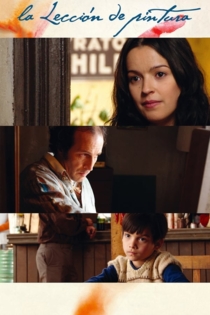
In Chile, during the 60´s, the son of a poor single teenage girl turns out to be a gifted painter. The man to discover his talent is the owner of the drugstore that lies in the outskirts of the small rural town, next to the railroad. He himself is an amateur painter who will try to make the boy into a great artist, like all the ones in his art books. From the pharmacists point of view in his old age, unfolds the story of this young boy who could have become a great art genius, had he not disappeared at the age of 13, along with all his works, on September 11th 1973, the day of the coupe d´état.
The Painting Lesson

The Quispe Girls
Sebastián Sepúlveda
Alfredo Castro, Francisca Gavilán
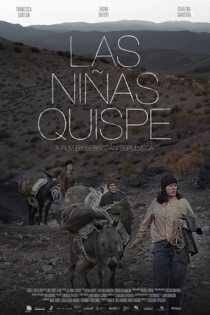
Based on a true story occurred in 1974, this is the tale of sisters Justa, Lucia, and Luciana Quispe, sheperds in the Chilean altiplano who lead a solitary life. A visitor brings news about a law that might change their way of living. This event forces the women to question their existence and relentlessly brings them to a tragic end.
The Quispe Girls
Ningún lugar en ninguna parte
José Luis Torres Leiva
Gabriel Díaz, Diego Muñoz
No Place in Anywhere can deal with many issues. It is a personal journey through image and time. It is the portrait of the "La Matriz" neighborhood in Valparaíso. It is the encounter between reality and fiction. It is the constant search to find a truth within the documentary. It is a musical rehearsal. It is the constant preparation of a documentary. It is a documentary of questions more than answers. A silent face, an empty road, a winter landscape, the wind moving the leaves of a tree, a wall, the sea, the street of a neighborhood, all of them intend to "create through the record" a unique truth for each viewer.
No Place in Anywhere

Gatos viejos
Sebastián Silva, Pedro Peirano
Bélgica Castro, Claudia Celedón
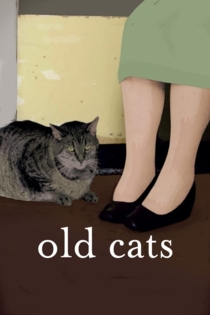
Isidora, an old woman, discovers that her mind is quickly deteriorating. At an apparently relaxed dinner table, she will desperately try to hide her state from her daughter, a demanding woman who awaits any sign of senility in order to take way everything she has.
Old Cats
Ema
Pablo Larraín
Mariana Di Girolamo, Gael García Bernal
Ema is a magnetic and impulsive dancer in a reggaeton troupe. Her toxic marriage to choreographer Gastón is beyond repair, following a decision to give up on their adopted child Polo. She sets out on a mission to get him back, not caring who she’ll need to fight, seduce or destroy to make it happen.
Ema


La mujer de barro
Sergio Castro San Martín
Catalina Saavedra, Paola Lattus
María Cartagena is a seasonal worker in the fruit fields of an arid valley in northern Chile, to bring sustenance to her daughter and disabled husband. During the hard workday she overcomes abuse and mistreatment driven by a powerful motivation: saving enough money to visit her brother’s grave, one of the disappeared after the Pinochet coup.
The Mud Woman