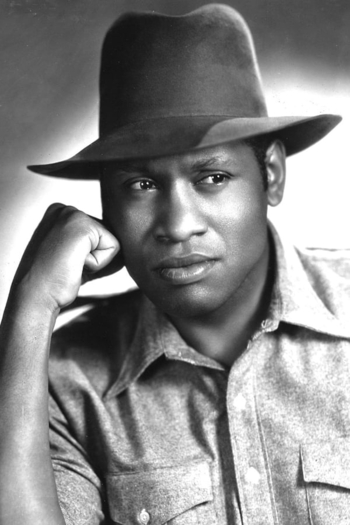
Paul Robeson
1898 - 1976Contradictory America. Faith, hope, love and hate. Film 2
Anatoliy Semyonov
Valentin Zorin, Jesse Jackson
In the second film, the author tells about the struggle of blacks for the right to feel equal with all US citizens. Commentary of the mayor of Cairo, one of the cities in the American South, about the suppression of the rebels, about the most brutal methods of fighting African American protesters. Jesse Jackson's speech. Jesse Jackson's commentary on the Black Rights Organization. Comments by female residents of Jackson, the capital of Mississippi, on the degree of mental development of whites and blacks. A story about the Ku Klux Klan, about Robert Shelton - the head of the Ku Klux Klan. Speech by American singer and dramatic actor Paul Robson, his commentary. Shots of the Olympics, victories in the competition of black athletes. About reprisals against Negro organizations. The widow of the American writer Ernest Hemingway Mary and the American scientist Henry Winston speak out about support for African Americans and the fight against racism.
Contradictory America. Faith, hope, love and hate. Film 2
Scandalize My Name: Stories from the Blacklist
Alexandra Isles
Morgan Freeman, Rosetta LeNoire
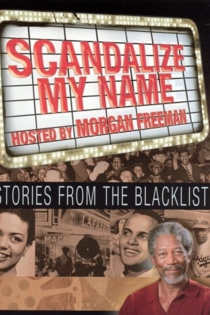
A documentary look at the confluence of the Red scare, McCarthyism, and blacklists with the post-war activism by African Americans seeking more and better roles on radio, television, and stage. It begins in Harlem, measures the impact of Paul Robeson and the campaign to bring him down, looks at the role of HUAC, J. Edgar Hoover and of journalists such as Ed Sullivan, and ends with a tribute to Canada Lee. Throughout are interviews with men and women who were there, including Dick Campbell of the Rose McLendon Players and Fredrick O'Neal of the American Negro Theatre. In the 1940s and 1950s, anti-Communism was one more tool to maintain Jim Crow and to keep down African-Americans.
Scandalize My Name: Stories from the Blacklist
Paul Robeson: Here I Stand
St. Clair Bourne
Paul Robeson, Harry Belafonte
Paul Robeson: Here I Stand presents the life and achievements of an extraordinary man. Athlete, singer, and scholar, Robeson was also a charismatic champion of the rights of the poor working man, the disfranchised and people of color. He led a life in the vanguard of many movements, achieved international acclaim for his music and suffered tremendous personal sacrifice. His story is one of the great dramas of the 20th century, spanning an international canvas of social upheaval and ideological controversy.
Paul Robeson: Here I Stand
Paul Robeson: Tribute to an Artist
Saul J. Turell
Paul Robeson, Sidney Poitier
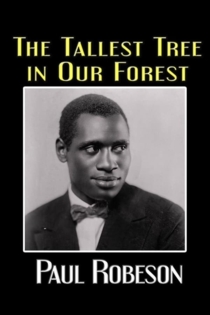
This Academy Award-winning documentary short Paul Robeson: Tribute to an Artist, narrated by Sidney Poitier, traces the career of Paul Robeson through his activism and his socially charged performances of his signature song, “Ol’ Man River.”
Paul Robeson: Tribute to an Artist
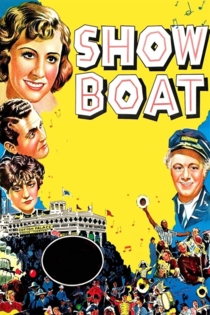
Tales of Manhattan
Julien Duvivier
Charles Boyer, Rita Hayworth
Ten screenwriters collaborated on this series of tales concerning the effect a tailcoat cursed by its tailor has on those who wear it. The video release features a W.C. Fields segment not included in the original theatrical release.
Tales of Manhattan
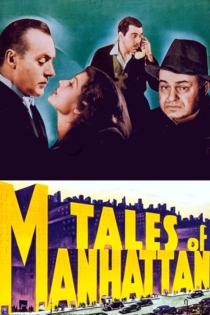
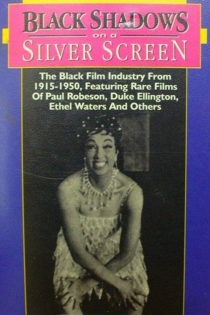
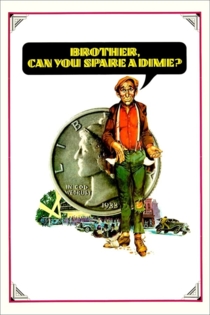
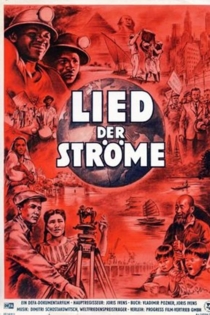
Das Lied der Ströme
Joris Ivens, Ruy Santos
Alex McCrindle, Paul Robeson
An allegorical documentary about the workers of the world, whose common destinies and hopes for peace are symbolically united by the rivers that run through their respective lands. The film was shot on the Volga, the Mississippi, the Nile, the Yangtze, the Amazon and the Ganges and combines these images of five continents with the music of Dmitri Shostakovich and the poetry of both Bertolt Brecht and Paul Robeson.
Song of the Rivers

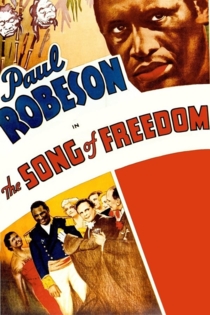
Song of Freedom
J. Elder Wills
Paul Robeson, Elisabeth Welch
John Zinga, a descendent of slaves, has an ancient medallion around his neck and a fragment of song passed down generations. He is an English dockworker with a magnificent voice and a yearning to learn his roots.
Song of Freedom
Native Land
Leo Hurwitz, Paul Strand
Paul Robeson, Fred Johnson
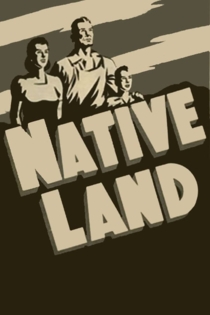
By the start of World War II, Paul Robeson had given up his lucrative mainstream work to participate in more socially progressive film and stage productions. Robeson committed his support to Paul Strand and Leo Hurwitz’s political semidocumentary Native Land. With Robeson’s narration and songs, this beautifully shot and edited film exposes violations of Americans’ civil liberties and is a call to action for exploited workers around the country. Scarcely shown since its debut, Native Land represents Robeson’s shift from narrative cinema to the leftist documentaries that would define the final chapter of his controversial film career.
Native Land